
A cottage industry is a small-scale business run from a home or small workshop, usually by one person, a family, or a tiny team. It often produces handmade goods or provides simple services without a factory, large staff, or heavy machinery. The model is still common because start-up costs can be low and demand for local or custom products keeps growing. In the United States, the Census Bureau counted more than 27 million nonemployer businesses, many of which fit this small owner-run pattern [source: U.S. Census Bureau].
TLDR: A cottage industry is a home-based or very small production business, such as a person selling handmade candles from a spare room or a family sewing custom baby clothes in a garage studio. It usually relies on skill, local demand, and low overhead rather than mass production. For example, if a soap maker sells 300 bars per month at $8 each, that creates $2,400 in monthly revenue before costs. This model works best when buyers value personal touches, small batches, and custom work.
What Does Cottage Industry Mean?
A cottage industry is a business system where goods are made, assembled, repaired, or packaged on a small scale, often at home. The word “cottage” points to its roots in household production. Before large factories became common, families often spun yarn, wove cloth, baked food, made tools, or crafted household goods from home.
Today, the term still means small, personal, often handmade production. It can include craft sellers, home bakers, soap makers, woodworkers, clothing alterers, jam producers, jewelry makers, and small digital service providers. The output is usually limited. The process is often flexible. The owner may handle production, packaging, sales, customer service, and delivery.

Key Features of a Cottage Industry
Cottage industries vary by country, product, and local rules. Still, most share a few common traits.
- Small scale: Production stays limited. One person or a small family team may make every item.
- Home-based work: The work often happens in a kitchen, shed, spare room, garage, or small studio.
- Low start-up cost: Many owners start with basic tools, a small supply budget, and direct selling.
- Handmade or custom output: Products often differ slightly from one another. That can be part of the appeal.
- Local or niche market: Buyers may come from farmers markets, online shops, local stores, or social media.
- Owner control: The owner usually controls pricing, design, production speed, and customer contact.
Common Examples of Cottage Industries
Cottage industries appear in many sectors. Some are traditional. Others are newer and tied to online selling.
- Food production: Home bakers, jam makers, spice blenders, granola sellers, and small chocolate makers.
- Textiles and clothing: Knitting, quilting, tailoring, embroidery, handmade bags, and custom children’s clothes.
- Personal care products: Soap, bath salts, candles, lip balms, and herbal skincare items.
- Wood and home goods: Cutting boards, signs, shelves, pottery, baskets, and small furniture.
- Art and gifts: Prints, greeting cards, ornaments, jewelry, wedding favors, and personalized keepsakes.
- Service-based work: Local bookkeeping, tutoring, sewing repairs, pet sitting, and small design services.
For instance, a family may make pickles using a state-approved home kitchen, then sell them at weekend markets. Another maker may turn reclaimed wood into custom shelves and sell them through local pickup. A third person may sew dance costumes for nearby schools. Each example fits because production is small, personal, and controlled by the maker.
How Cottage Industries Work
Most cottage industries begin with a skill. Someone can bake well, repair clothes, make candles, grow herbs, or carve wood. The owner then tests demand. A few products may be sold to neighbors, local groups, or online buyers. If orders grow, the owner buys better tools, improves packaging, and sets clearer prices.
The catch is that small scale can become exhausting fast. A seller may spend 15 minutes making a candle, then another 12 minutes labeling, photographing, listing, packing, and replying to a buyer. That hidden labor cuts into profit. It drives many owners crazy because the work feels “small,” but the admin pile is not small at all.
Image not found in postmetaCottage Industry vs. Factory Production
A cottage industry is not the same as factory production. A factory focuses on volume, speed, and standard output. A cottage industry focuses on craft, flexibility, and lower operating costs.
| Factor | Cottage Industry | Factory Production |
|---|---|---|
| Scale | Small batches | Large batches |
| Workplace | Home or small workshop | Factory or warehouse |
| Labor | Owner, family, or few helpers | Paid staff and managers |
| Product style | Custom or handmade | Standardized |
| Cost structure | Lower fixed costs | Higher fixed costs |
Why Cottage Industries Matter
Cottage industries support local income. They also give people a way to test business ideas without renting a storefront or hiring staff. This matters for caregivers, retirees, rural workers, artists, students, and people who need flexible work hours.
They can also preserve traditional skills. Hand weaving, pottery, food preservation, leatherwork, and regional crafts often survive because small producers keep making them. In some areas, tourism depends on these goods. Visitors buy items because they feel local, specific, and less generic.
Buyers also gain. They can request custom sizes, flavors, colors, or materials. They may buy directly from the maker. That direct link can build trust, though it also means the maker must manage expectations clearly.
Advantages of a Cottage Industry
- Lower risk: The owner can start small and avoid heavy debt.
- Flexible schedule: Work can often fit around family, school, or another job.
- Creative control: The maker can change designs, recipes, and packaging quickly.
- Closer customer contact: Feedback arrives fast and can guide product changes.
- Local identity: Products can reflect regional tastes, culture, and materials.
Disadvantages and Limits
Cottage industries also have real limits. Output is capped by time, space, and energy. A baker with one oven can only produce so much. A jewelry maker can only assemble so many orders before quality slips.
Rules can be another pain point. Food, cosmetics, childcare, and health-related products may require permits, labels, inspections, or insurance. Honestly, it feels like paperwork can take longer than production on some weeks. One missing label detail can delay a market launch by days.
Profit can also be thin if prices are too low. Many makers forget to pay themselves for labor. A $25 handmade item may seem profitable until materials, packaging, payment fees, fuel, and two hours of work are counted.
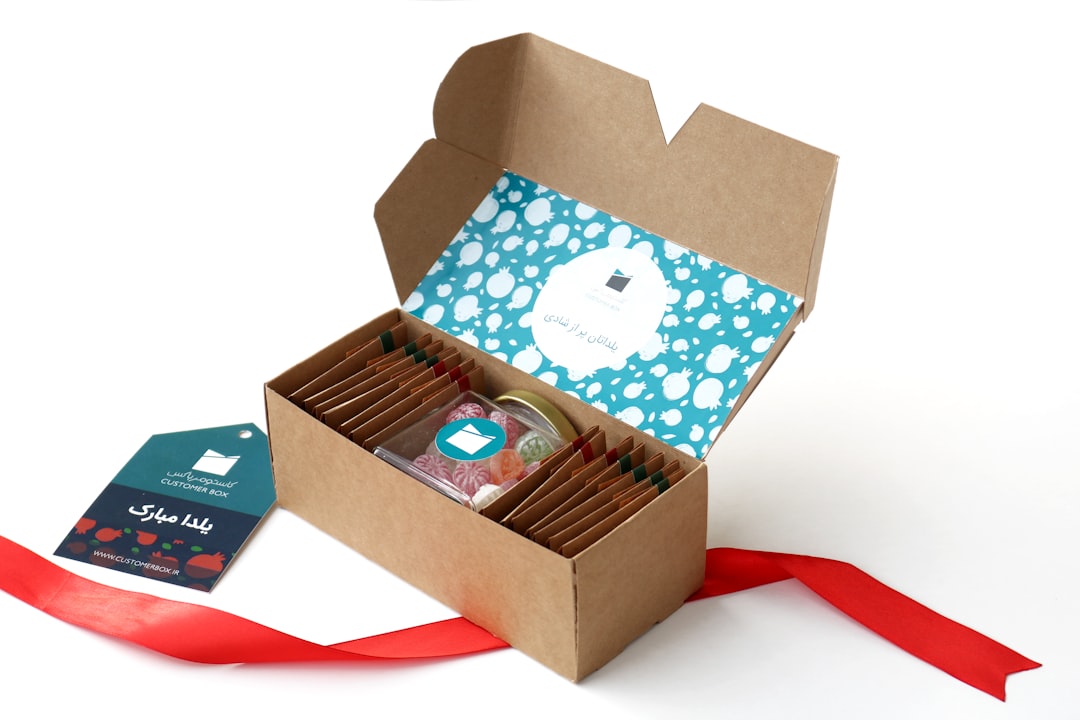
Modern Cottage Industries and Online Sales
The internet has changed cottage industries. A maker no longer needs to rely only on local foot traffic. Online marketplaces, personal websites, short videos, and local delivery apps can expand reach. A candle maker in a small town may ship nationwide. A knitter may sell patterns as digital files. A home baker may take preorders through a simple form.
Still, online selling brings fresh problems. Photos need to look clean. Shipping costs can shock buyers. Customer messages arrive late at night. Returns can be awkward when products are custom. Small sellers need simple systems for pricing, order tracking, taxes, and inventory.
How a Cottage Industry Can Grow
Growth does not always mean becoming a factory. Some cottage businesses choose controlled growth. They raise prices, reduce product variety, accept fewer custom orders, or sell only during set launch dates. Others rent a commercial kitchen, hire part-time help, or move into a small studio.
A practical growth path often includes:
- Tracking real costs, including time and waste.
- Choosing best-selling products instead of offering too many items.
- Improving packaging so products look professional.
- Keeping clear records for taxes, permits, and repeat orders.
- Setting firm production limits to avoid burnout.
FAQ
What is a cottage industry in simple terms?
A cottage industry is a small business run from home or a small workshop. It usually makes goods by hand or in small batches.
What is an example of a cottage industry?
A person baking cakes from a home kitchen, a family making handmade soap, or an artist selling custom pottery are common examples.
Is a cottage industry the same as a small business?
Not always. A cottage industry is a type of small business, but it is usually home-based, low-volume, and closely tied to the owner’s personal labor.
Can a cottage industry become a large company?
Yes. Some grow into larger brands. Others stay small by choice because the owner wants control, flexibility, or a handmade feel.
Do cottage industries need licenses?
Sometimes. Requirements depend on location and product type. Food, cosmetics, childcare, and health-related goods often face stricter rules.
Why do people buy from cottage industries?
Buyers often want handmade quality, custom options, local products, or a direct connection with the maker.
