
Modern media buying is no longer limited to negotiating ad placements and tracking impressions. Today’s marketers operate in a fragmented digital ecosystem where campaigns span search, social, programmatic display, connected TV, and more. To remain competitive, organizations rely on advanced analytics platforms that consolidate performance data and generate actionable multi-channel insights. Media buying analytics SaaS solutions have emerged as essential tools for optimizing spend, measuring attribution, and improving return on investment (ROI).
TL;DR: Media buying analytics SaaS platforms help marketers centralize data from multiple advertising channels and turn it into actionable insights. These tools improve budget allocation, automate reporting, enhance attribution modeling, and enable better campaign optimization. This article reviews seven leading solutions and compares their core features. A detailed comparison chart and FAQ section are included to simplify decision-making.
By integrating data streams from paid search, social media, display, affiliate networks, and offline campaigns, these platforms offer a centralized view of performance. Below are seven powerful SaaS solutions designed to provide comprehensive multi-channel insights.
1. Nielsen Marketing Mix Modeling
Nielsen is widely recognized for its data measurement capabilities, and its marketing mix modeling (MMM) platform enables advertisers to evaluate the incremental impact of campaigns across channels.
Key strengths:
- Advanced econometric modeling
- Cross-channel ROI measurement
- Predictive budget allocation forecasting
- Offline and online attribution integration
Nielsen’s platform is particularly beneficial for enterprises investing heavily in traditional media alongside digital channels. It helps decision-makers determine how TV, radio, digital ads, and retail promotions contribute to overall performance.

2. Adobe Advertising Cloud Analytics
Adobe Advertising Cloud integrates seamlessly with Adobe Analytics, providing detailed reporting across search, display, and social campaigns. Its advanced AI capabilities help marketers automate media buying decisions.
Key strengths:
- Unified reporting dashboard
- AI-driven bid optimization
- Audience segmentation tools
- Real-time campaign adjustments
Adobe’s ecosystem appeals to organizations already embedded within its Experience Cloud, offering deep visibility into customer journeys across multiple touchpoints.
3. Google Analytics 4 with Campaign Manager 360
Google’s analytics suite remains a cornerstone in digital measurement. When paired with Campaign Manager 360, it allows for sophisticated multi-channel tracking and attribution modeling.
Key strengths:
- Cross-device tracking
- Data-driven attribution modeling
- Integration with Google Ads and DV360
- Advanced audience insights
Marketers benefit from native integration with Google’s advertising ecosystem, making it easier to analyze paid search and display performance in the same environment.
4. HubSpot Marketing Analytics
HubSpot offers an intuitive solution tailored to small and mid-sized businesses. While known for CRM and inbound marketing, its analytics tools provide media buyers with actionable insights.
Key strengths:
- Closed-loop reporting
- Campaign ROI tracking
- Lead-to-customer attribution
- Seamless CRM integration
For companies seeking to connect advertising performance directly to sales outcomes, HubSpot’s integrated platform offers strong value.
5. Supermetrics
Supermetrics acts as a data connector and reporting automation tool that pulls data from numerous ad platforms into centralized dashboards.
Key strengths:
- Automated data imports
- Custom dashboard creation
- Compatibility with BI tools
- Multi-platform reporting
Although it does not replace a full analytics suite, Supermetrics enhances data accessibility by connecting Facebook Ads, LinkedIn Ads, TikTok Ads, and more into unified reporting systems.

6. AppsFlyer
AppsFlyer focuses on mobile attribution but has evolved into a powerful cross-channel analytics platform. It provides deterministic attribution for app installs and in-app events.
Key strengths:
- Mobile-first attribution modeling
- Fraud detection systems
- Deep linking analytics
- Comprehensive partner integrations
Brands with significant mobile advertising budgets benefit from AppsFlyer’s accurate measurement of installs and user engagement across ad networks.
7. Datorama (Salesforce Marketing Intelligence)
Datorama, now known as Salesforce Marketing Intelligence, centralizes marketing data and applies AI-powered insights across channels.
Key strengths:
- Cross-channel data harmonization
- AI-driven anomaly detection
- Customizable dashboards
- Integration with Salesforce CRM
Enterprises seeking deep personalization and sales alignment often leverage Datorama for its scalability and automation capabilities.
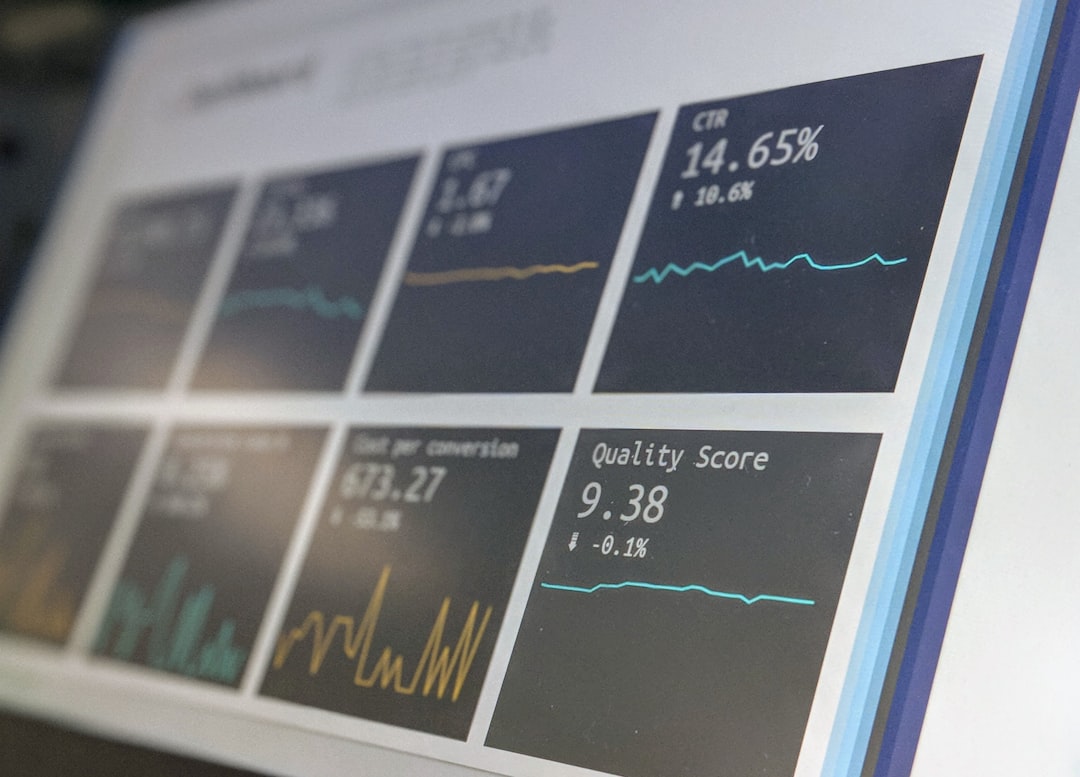
Comparison Chart of Media Buying Analytics SaaS Solutions
| Platform | Best For | AI Capabilities | Attribution Modeling | CRM Integration |
|---|---|---|---|---|
| Nielsen MMM | Enterprise cross-media campaigns | Advanced predictive modeling | Marketing mix modeling | Limited |
| Adobe Advertising Cloud | Large digital advertisers | AI bid optimization | Multi-touch attribution | Yes |
| Google Analytics 4 + CM360 | Digital-first businesses | Data-driven attribution | Cross-device attribution | Limited |
| HubSpot | SMBs and growth firms | Basic automation | Closed-loop attribution | Yes |
| Supermetrics | Reporting automation | No native AI | Dependent on BI tool | Indirect |
| AppsFlyer | Mobile app marketers | Fraud detection AI | Deterministic attribution | Limited |
| Datorama | Large enterprises | AI anomaly detection | Custom attribution modeling | Yes |
What Makes a Strong Multi-Channel Analytics Platform?
While each solution excels in different areas, leading platforms typically share several characteristics:
- Data centralization: Ability to integrate multiple advertising channels into one view.
- Advanced attribution: Multi-touch or data-driven attribution modeling capabilities.
- Automation: AI-driven optimization and anomaly detection.
- Scalability: Suitable for growing advertising budgets.
- Actionable insights: Clear performance metrics tied to ROI.
Marketers should evaluate both current campaign complexity and future growth projections before selecting a SaaS solution.
Conclusion
Media fragmentation continues to intensify, making unified analytics indispensable for effective media buying. Whether a business prioritizes mobile attribution, enterprise-level forecasting, or CRM-linked reporting, there is a SaaS solution designed to meet its needs. By leveraging multi-channel insights, organizations can move from reactive reporting to proactive optimization.
The right analytics platform does not merely report numbers—it informs strategy, enhances efficiency, and drives sustainable growth.
Frequently Asked Questions (FAQ)
1. What is a media buying analytics SaaS platform?
A media buying analytics SaaS platform is cloud-based software that aggregates advertising data from multiple channels and provides performance insights, attribution modeling, and optimization tools.
2. Why are multi-channel insights important?
Multi-channel insights allow marketers to understand how different advertising platforms interact and influence conversions, leading to better budget allocation and improved ROI.
3. Which platform is best for small businesses?
HubSpot is often ideal for small and mid-sized businesses due to its intuitive interface and integrated CRM features.
4. Are these tools suitable for offline advertising?
Yes, solutions like Nielsen MMM and Datorama incorporate offline data, making them suitable for traditional media analysis.
5. How does AI improve media buying analytics?
AI enhances predictive modeling, automates bid adjustments, detects anomalies, and improves attribution accuracy, resulting in more efficient campaigns.
6. Can these platforms integrate with CRM systems?
Several platforms, such as HubSpot and Salesforce Marketing Intelligence, offer direct CRM integration to align marketing and sales data.
7. What should companies consider before choosing a solution?
Organizations should evaluate budget, campaign complexity, integration needs, scalability, and reporting requirements before selecting a platform.
