The Star Wars universe has fascinated audiences for decades with its rich mythology, sprawling space operas, and a galaxy teeming with alien worlds and mysterious technologies. Fans have often wondered about the relationship between our own planet Earth and the fantastical cosmos created by George Lucas. Is Earth a part of Star Wars canon, or is it merely the home of those who imagine it? This article takes a cultural and speculative dive into that very question.
TL;DR (Too long; didn’t read)
While Earth is never explicitly included in the official Star Wars canon, there have been humorous and symbolic nods to it in comics, Easter eggs, and alternate universe stories. From a mythological viewpoint, Earth might be seen as a distant memory or myth within the Star Wars galaxy. Ultimately, Earth functions more as a real-world reference point, grounding the saga’s ethical and cultural elements in familiar human values. Considering the phrase “a galaxy far, far away,” Earth is deliberately excluded to give Star Wars its mythic tone.
What the Canon Says
In the official Star Wars canon—consisting of the films, TV series like The Mandalorian and Ahsoka, and materials sanctioned by Lucasfilm—Earth has never been referenced in a way that confirms it exists in the same galaxy as the action in Star Wars. The familiar opening tagline, “A long time ago in a galaxy far, far away”, serves to establish immediate narrative separation from Earth. It’s an intentional mythic framing, rather than a statement of science-fiction continuity.
This absence is more than just coincidental—it’s thematic. Star Wars draws from myth, folklore, and archetype. Including Earth would peel back the curtain of mythology and ground it too deeply in our own historical and cultural context. Still, that hasn’t stopped creators and fans from exploring what Earth’s place might be in the Star Wars timeline or multiverse.
Earth in Legends and Expanded Universe
Prior to Disney’s acquisition of Lucasfilm, several sources in the Expanded Universe (now known as Legends) included humorous or speculative nods to Earth. These instances were usually non-canonical or placed within the realm of parody.
- Star Wars: Visionaries: A comic anthology included a story where General Grievous was from Earth, abducted and cybernetically transformed by aliens. This story is non-canonical but intriguing as a piece of speculative fiction.
- Tag and Bink Are Dead: This series uses tongue-in-cheek humor and at one point includes modern cultural items, hinting metaphorically at Earth’s influence but not literally placing Earth in the Star Wars universe.
- Han Solo in Indiana Jones: In the Indiana Jones and the Temple of Doom comics, Indiana Jones finds the remains of Han Solo and Chewbacca in a crashed spaceship in the Pacific Northwest, blending two Harrison Ford characters in a non-canon crossover.
These examples reflect Earth as a metaphor more than a geographical reality—something that exists in the imagination of Star Wars creators as a nod to fans.
Cultural References and Symbolism
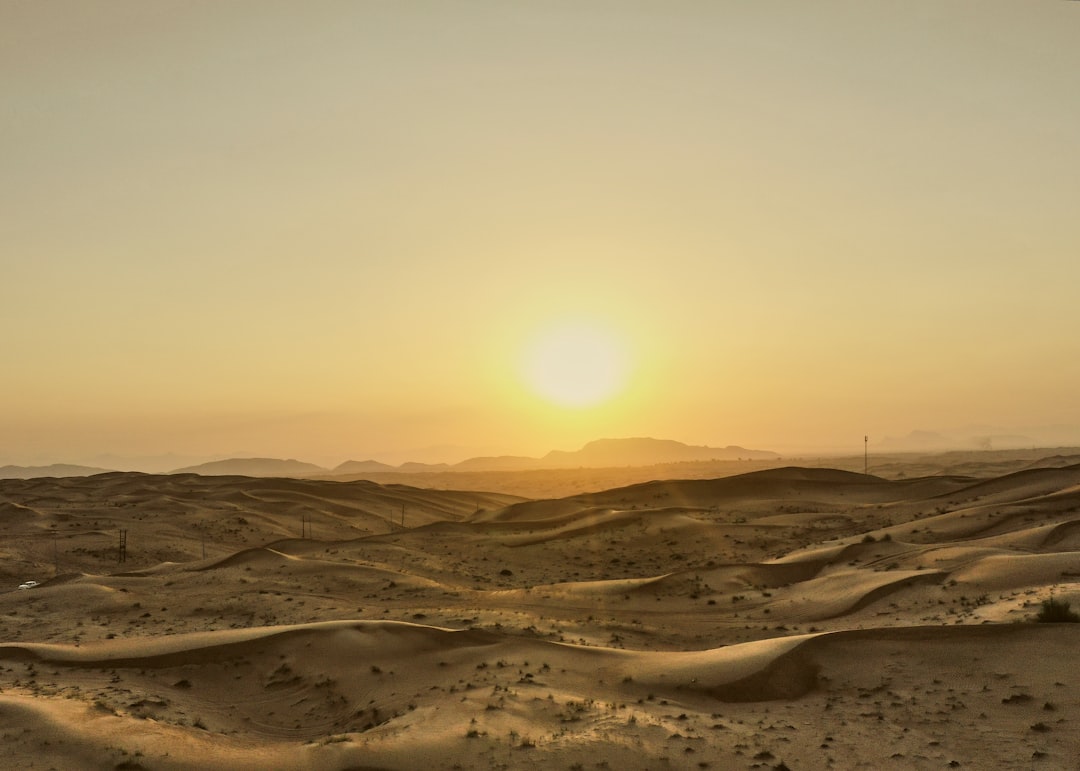
Even though Earth isn’t part of the main storyline, it permeates the Star Wars narrative through symbols, clothing styles, and ethical dilemmas rooted in human culture. Planetary climates and societies within the Star Wars galaxy often draw parallels to real-world Earth cultures: Tatooine resembles North African and Middle Eastern deserts, Hoth invokes the arctic poles, and the city-planet Coruscant channels ideas reminiscent of Earth’s megalopolises.
Furthermore, character costumes and accents in Star Wars also mirror Earth’s linguistic and cultural patterns. Imperial officers sound distinctly British, while rebels and smugglers speak in American English, a dichotomy that speaks volumes about perceived authority and rebellion.

The Force itself is a distillation of various Earth-bound spiritual concepts, including Taoism’s duality of Yin and Yang, Buddhism’s detachment, and Christian ideas of prophecy and redemption. The Jedi Code and Sith philosophy resemble ethical debates found in human philosophy and religion.
The Archetypal Value of “A Galaxy Far, Far Away”
Star Wars uses mythology, not science fiction, as its foundation. It echoes Joseph Campbell’s theory of the monomyth, or “hero’s journey,” which positions the protagonist in mythic opposition to their environment. By placing the story in a galaxy “far, far away,” the writers metaphorically achieve the same function of traditional myths: to teach universal truths in unfamiliar settings.
If Earth were a known factor in this galaxy, it would risk turning an allegorical space myth into just another science-fiction saga. The narrative would no longer be myth-making but rather speculative history from an anthropocentric lens.
Fan Theories and Interpretive Ideas
Within fan communities online, dozens of speculative theories attempt to reconcile Earth’s place in the Star Wars mythos. Some propose that Star Wars takes place in our own future, so far ahead that Earth has been forgotten. Others imagine a parallel galaxy or multiverse structure where Earth briefly intersects with Star Wars civilizations.
Additionally, there’s the fun conspiracy that Force-sensitive humans evolved from Earthling ancestors who migrated to another dimension or that Earth is a hidden-world planet protected by Jedi rules of non-interference, much like the Prime Directive in Star Trek.

While these fan theories are definitely intriguing and often entertaining, none are based on canonical materials provided by Lucasfilm or Disney.
Practical Reasons for Omitting Earth
From a storytelling and cinematic design perspective, including Earth in any Star Wars plot would potentially compromise the tone and artistic vision of the universe. Here are some key reasons:
- Avoiding Cultural Overlap: Earth’s inclusion would raise too many questions about historical continuity and the cultural identities of Earth’s inhabitants.
- Preserving Timelessness: One of Star Wars’ biggest strengths is its ability to feel timeless; introducing Earth might date the story to specific sociopolitical issues.
- Sci-Fi vs. Myth: Star Wars leans more toward fantasy-mythology than it does into hard sci-fi, where Earth is often central. Including Earth would pull Star Wars closer to the genre it often seeks to transcend.
Conclusion: Earth as Symbol, Not Canon
In conclusion, Earth does not exist in the canonical Star Wars universe. It may appear in speculative side materials, parodies, and Easter eggs, but never as a serious part of the overarching galactic framework. Creatively, leaving Earth out enhances the mythic distance and allows universal storytelling unchained by real-world constraints. Instead of asking where Earth fits in Star Wars, perhaps a more enriching query is: how does Earth inspire Star Wars?
Frequently Asked Questions (FAQ)
- Q: Has Earth ever appeared in a Star Wars movie or series?
A: No. Earth is not referenced or shown in any live-action Star Wars films or TV series as part of the story’s universe. - Q: Are there any Star Wars comics or books that mention Earth?
A: Yes, but only in non-canonical or humorous stories, such as “Visionaries” or “Tag and Bink”. - Q: Could Star Wars take place in the future of Earth?
A: It’s a popular fan theory, but there is no official support for it in the canon. The narrative is set “a long time ago” to emphasize its mythic qualities. - Q: Why do some Star Wars characters have Earth-like appearances and names?
A: This is primarily for relatability and ease of storytelling. It connects the audience to the characters without requiring elaborate backstory explanations. - Q: Has George Lucas ever commented on Earth’s place in Star Wars?
A: Lucas has maintained that Star Wars is a mythological saga and deliberately kept Earth out to preserve its fantastical and universal quality.
