
Wix has long been one of the most recognizable names in website building and no-code design. For many individuals and small businesses, it offers a straightforward way to go online without technical expertise. However, as the digital landscape evolves, so do expectations around performance, flexibility, scalability, and design control. Today, a growing number of platforms provide powerful alternatives that go beyond what Wix offers, especially for professionals, startups, and scaling brands.
TLDR: While Wix is beginner-friendly, several modern no-code tools offer greater flexibility, design precision, scalability, and performance. Platforms like Webflow, Squarespace, Framer, Shopify, and WordPress with page builders provide stronger customization and business capabilities. The best choice depends on whether you prioritize creative control, ecommerce power, automation, or long-term growth. For serious projects, many of these alternatives outperform Wix in meaningful ways.
If you are considering building or redesigning a website, understanding the strengths and limitations of these platforms will help you make a more informed and strategic decision.
Why Look Beyond Wix?
Wix is known for its intuitive drag-and-drop interface and extensive template library. However, limitations can emerge when projects grow more complex. Common concerns include:
- Limited design precision compared to advanced layout systems
- Performance constraints on larger or heavily customized websites
- Restricted code control for developers and technical teams
- Scalability issues for high-growth businesses
- Template lock-in making full redesigns difficult
For portfolios, startups, agencies, SaaS platforms, and ecommerce brands, exploring alternatives may offer stronger long-term value.

1. Webflow
Best for: Designers, agencies, and businesses that want full creative control.
Webflow stands out as one of the most professional-grade no-code tools available. Unlike Wix, Webflow gives designers visual access to CSS-level styling and layout control without requiring manual coding. It is especially popular among creative professionals and SaaS companies.
Key advantages:
- Pixel-perfect design flexibility
- Clean, exportable code
- Advanced CMS capabilities
- Strong animation and interaction tools
- High-performance hosting infrastructure
While it has a steeper learning curve than Wix, Webflow rewards users with unparalleled customization. For serious brand experiences, it is often considered a superior platform.
2. Squarespace
Best for: Creatives, consultants, personal brands, and small businesses prioritizing aesthetics.
Squarespace offers polished, professionally designed templates with strong built-in features. Unlike Wix’s open drag-and-drop system, Squarespace uses structured sections, which leads to cleaner, more consistent designs.
Why many professionals prefer it:
- Elegant, typography-forward templates
- Reliable built-in blogging tools
- Strong ecommerce features for small to midsize stores
- Simplified user experience
Squarespace may not offer the same granular design control as Webflow, but it often delivers a more refined final product than Wix with less effort.
3. Framer
Best for: Startups, product designers, and interactive web experiences.
Framer has rapidly grown into a serious Wix alternative, particularly for modern, tech-focused brands. It combines ease of use with advanced animation and responsive layout tools.
Its standout features include:
- Lightning-fast publishing
- Advanced responsive design system
- Smooth animations and micro-interactions
- AI-assisted layout generation
Framer appeals to teams that want clean performance, a contemporary aesthetic, and rapid iteration. Compared to Wix, it feels more modern and product-oriented.
4. Shopify
Best for: Ecommerce businesses focused on growth and scalability.
Wix includes ecommerce functionality, but Shopify is purpose-built for online stores. For product catalogs, inventory systems, international sales, and multichannel commerce, Shopify significantly outperforms Wix.
Major benefits:
- Enterprise-grade ecommerce tools
- App marketplace with thousands of integrations
- Optimized checkout experience
- Robust analytics and reporting
For entrepreneurs serious about scaling an online store, Shopify provides far greater operational depth and reliability.
5. WordPress with Page Builders (Elementor, Divi, or Gutenberg)
Best for: Maximum flexibility and long-term scalability.
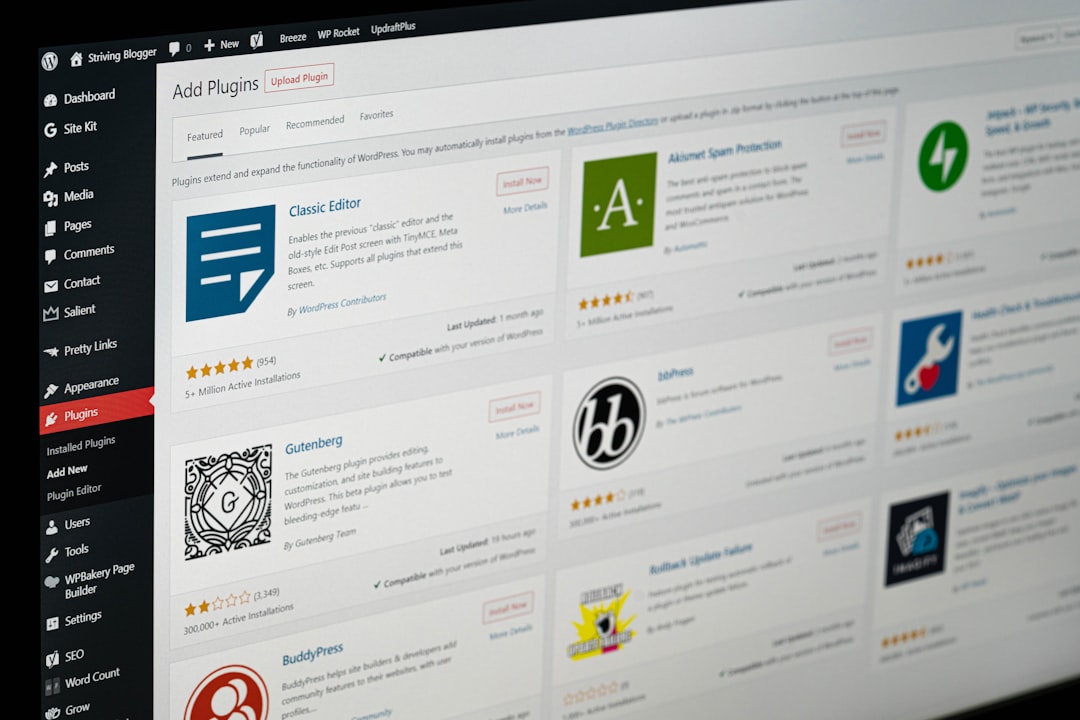
WordPress remains the most widely used content management system globally. When combined with modern drag-and-drop builders like Elementor or Divi, it becomes a powerful no-code or low-code alternative to Wix.
Why it stands out:
- Complete ownership and control
- Extensive plugin ecosystem
- Highly customizable SEO tools
- Flexible hosting options
The tradeoff is greater complexity. However, for businesses needing full customization and expansion potential, WordPress often surpasses Wix in capability.
Comparison Chart
| Platform | Ease of Use | Design Flexibility | Ecommerce Power | Best For |
|---|---|---|---|---|
| Wix | Very Easy | Moderate | Basic to Moderate | Beginners and small sites |
| Webflow | Moderate | Excellent | Moderate | Design professionals and agencies |
| Squarespace | Easy | High | Moderate | Creatives and consultants |
| Framer | Easy to Moderate | High | Light | Startups and tech brands |
| Shopify | Moderate | Moderate | Excellent | Growing ecommerce brands |
| WordPress + Builder | Moderate to Advanced | Excellent | High (with plugins) | Businesses needing full control |
Key Factors to Consider When Choosing
When evaluating alternatives to Wix, decision-makers should weigh several critical elements:
- Scalability: Will the platform grow with your business?
- Performance: Does it provide fast load times and reliable hosting?
- Design Control: How much creative freedom do you need?
- SEO Capabilities: Are you able to optimize content effectively?
- Integration Ecosystem: Does it connect with your marketing and analytics tools?
Choosing a website builder is not just about launching quickly. It is about selecting infrastructure that aligns with long-term business strategy.

Final Thoughts
Wix remains a viable solution for simple websites and personal projects. However, many modern businesses require more refined design tools, stronger performance infrastructure, and deeper customization capabilities.
Webflow offers unmatched visual design precision. Squarespace delivers sophisticated aesthetics with simplicity. Framer provides innovation and speed for modern brands. Shopify dominates ecommerce growth. WordPress ensures complete ownership and flexibility.
The right platform ultimately depends on your objectives, technical comfort level, and growth aspirations. What is clear, however, is that the no-code ecosystem has matured far beyond a single dominant solution. Businesses willing to evaluate their options carefully will often find that there are indeed apps better than Wix for website builders and no-code design.
