The cancellation of a long-standing Recreational Boating & Fishing Foundation (RBFF) grant by the U.S. Department of the Interior has sparked concern across conservation circles, state wildlife agencies, and outdoor recreation industries. While federal grant adjustments are not uncommon, the implications of this specific withdrawal extend beyond administrative reshuffling. The RBFF has played a central role in supporting fishing participation, aquatic conservation funding, and community-based outdoor initiatives for decades. Its funding disruption raises serious questions about the future of conservation financing, public access to waterways, and the economic health of communities tied to recreational fishing.
TLDR: The Interior Department’s cancellation of the RBFF grant could significantly disrupt conservation funding, fishing participation initiatives, and local economies tied to recreation. Because fishing license sales directly fund wildlife conservation, any decline in recruitment or retention of anglers threatens broader environmental efforts. Communities that depend on tourism and outdoor recreation may also feel financial strain. The long-term impact will depend on how federal and state partners respond and whether alternative funding mechanisms are identified.
Understanding the Role of the RBFF
The Recreational Boating & Fishing Foundation is a nonprofit organization established to promote fishing and boating participation in the United States. Funded primarily through a federal grant authorized under the Sport Fish Restoration and Boating Trust Fund, the RBFF operates national campaigns such as Take Me Fishing, conducts market research, and partners with state agencies to increase license sales and public engagement.
Its mission intersects directly with conservation. Through the American System of Conservation Funding, revenue from fishing licenses and excise taxes on fishing gear, boat fuel, and equipment is redistributed to states for habitat restoration, fish stocking, aquatic research, and boating access improvements.
In simple terms:
- More anglers purchasing licenses = more conservation funding.
- More boating registrations = more investment in waterways.
- Higher participation = stronger public constituency for environmental protection.
The Interior Department’s grant cancellation jeopardizes this interconnected funding model by potentially disrupting outreach, recruitment, and retention efforts.
The Conservation Funding Ripple Effect
One of the most serious concerns surrounding the cancellation is its potential ripple effect on conservation budgets nationwide. Recreational anglers are a cornerstone of conservation finance in the United States. According to federal data, billions of dollars have been generated through excise taxes and license fees under the Pittman-Robertson and Dingell-Johnson Acts.

If participation declines due to reduced outreach or diminished visibility campaigns, the resulting drop in license revenue can have measurable consequences, including:
- Reduced funding for fish hatchery programs
- Delayed habitat restoration projects
- Limited invasive species control efforts
- Postponed improvements to boat ramps and access points
Unlike general tax-funded environmental programs, sport fish restoration is largely self-funded by users. That system has historically insulated conservation initiatives from political volatility. The withdrawal of promotional and coordination funding threatens to destabilize that balance.
Impacts on State Wildlife Agencies
State fish and wildlife agencies rely heavily on federal matching grants tied to license sales. Many agencies operate with limited general fund support, meaning participation-based revenue streams are essential to their operations.
Without the national coordination and marketing reach of the RBFF, states may face:
- Higher independent marketing costs
- Reduced access to consumer participation research
- Fragmented recruitment strategies
- Inconsistent messaging across state lines
These operational hurdles could increase administrative burdens and reduce overall efficiency. States with already constrained budgets, especially rural or geographically large states with significant water resources, could be disproportionately impacted.
Economic Consequences for Local Communities
The recreational fishing industry contributes significantly to the U.S. economy. From bait shops and marinas to boat manufacturers and tourism operators, countless small businesses rely directly or indirectly on active angling communities.
Image not found in postmetaAccording to industry analyses, recreational fishing generates tens of billions of dollars annually in retail sales, wages, and tax revenues. When participation declines, the economic contraction is often felt first in small towns and rural communities where alternative economic drivers may be limited.
Communities located near lakes, rivers, and coastal areas frequently structure local development strategies around outdoor recreation. The cancellation of a central promotional engine like RBFF may slow visitor growth and reduce seasonal tourism spikes.
Key sectors potentially affected include:
- Hospitality and lodging businesses
- Outdoor equipment retailers
- Guided charter and outfitter services
- Marine manufacturing and repair services
While resilient markets may adapt, areas heavily reliant on fishing tourism could see measurable downturns if participation trends weaken over time.
Community Engagement and Next-Generation Anglers
Beyond economics and conservation funding, RBFF initiatives have focused heavily on recruiting younger and more diverse participants into fishing and boating activities. Programs aimed at urban communities, women, and first-time anglers have been central to broadening inclusivity in outdoor recreation.
The absence of coordinated federal support may slow progress in these outreach efforts. Maintaining engagement among younger generations is particularly critical, as demographic shifts and urbanization trends already pose challenges to sustained participation.
Without intentional recruitment, participation in outdoor activities does not simply remain static—it often declines.
Long-term implications could include:
- A shrinking base of conservation fund contributors
- Reduced public advocacy for aquatic ecosystem protections
- A generational knowledge gap in fishing traditions
The long-term health of the conservation model depends not only on funding levels but on public connection to waterways and natural resources.
Why This Matters for Aquatic Ecosystems
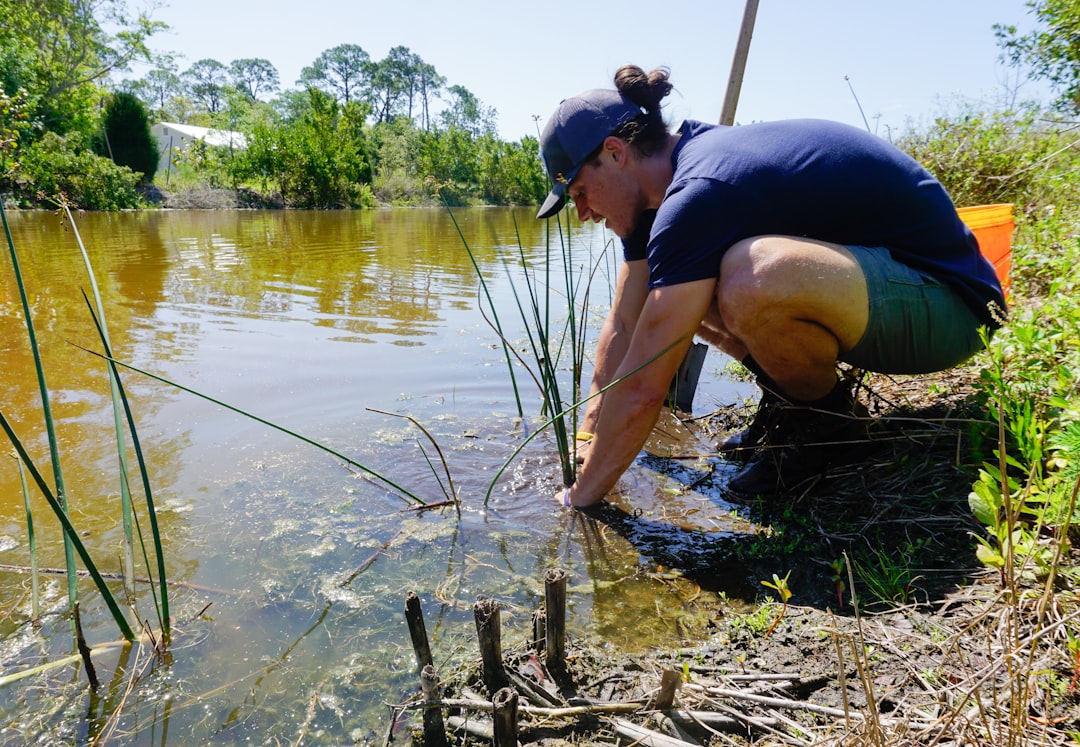
Aquatic ecosystems require continuous monitoring and restoration. Fisheries management involves:
- Water quality testing
- Species population assessments
- Habitat rehabilitation
- Research into climate and ecological stressors
Reduced funding threatens the stability of these science-driven management systems. While state agencies may attempt to compensate, prolonged revenue declines could compromise long-term planning cycles.
Climate change, invasive species expansion, and increasing water demand already strain freshwater and coastal systems. Sustained conservation financing is more critical now than at any point in recent history.
Federal Policy and Administrative Considerations
The cancellation also raises governance and policy questions. Federal grant programs typically undergo periodic review, and shifting administrative priorities are not unusual during political transitions. However, abrupt funding changes to cornerstone programs can introduce uncertainty into multi-year strategic planning.
Stakeholders are likely to seek clarification on several fronts:
- Whether alternative grant mechanisms will be introduced
- If the funding will be redirected to other conservation initiatives
- How outreach and recruitment responsibilities will be handled moving forward
Transparency in these areas will be essential to maintaining confidence among state partners and industry stakeholders.
Potential Paths Forward
While the cancellation presents challenges, it also creates an opportunity for reassessment and innovation. Possible paths forward may include:
- Expanded state-led marketing coalitions
- Public-private sector sponsorship initiatives
- Digital engagement and targeted demographic campaigns
- Reauthorization or restructuring of federal funding streams
Industry associations, conservation nonprofits, and state agencies may collaborate to fill the outreach gap. However, replicating the scale and reach of a nationally coordinated foundation remains a significant undertaking.
Conclusion: A Critical Moment for Conservation
The Interior Department’s decision to cancel the RBFF grant represents more than an administrative adjustment—it is a pivotal moment for the American conservation funding model. Recreational fishing is not merely a leisure activity; it is a foundational mechanism for ecosystem stewardship, economic stability in rural communities, and intergenerational connection to natural resources.
The central issue is sustainability. When participation declines, funding declines. When funding declines, conservation outcomes are placed at risk. Ensuring continuity in outreach, engagement, and financial mechanisms will be essential to preserving aquatic ecosystems and the communities that depend on them.
As policymakers, state agencies, and industry leaders evaluate the next steps, their decisions will shape not only the future of recreational fishing but the broader framework of conservation finance in the United States. The stakes are substantial, and careful, evidence-based action will be required to mitigate long-term consequences.
