Imagine knowing exactly what people can do. Not guessing. Not hoping. Knowing. That is the power of knowledge assessment software for evaluating skills. It helps schools, companies, and organizations measure what people know and how well they can apply it. And it does this quickly and clearly.
TLDR: Knowledge assessment software helps measure skills in a fast, fair, and structured way. It uses quizzes, simulations, and analytics to show what someone truly understands. Businesses and schools use it to improve training and make better decisions. It saves time, reduces bias, and makes skill tracking simple.
What Is Knowledge Assessment Software?
Knowledge assessment software is a digital tool. It tests what someone knows. It checks how well they can apply that knowledge. And it shows the results in easy-to-read reports.
Think of it as a smart testing system. But it is not just about exams. It can include:
- Multiple-choice questions
- Short written answers
- Interactive simulations
- Video responses
- Scenario-based challenges
It works online. It is automatic. And it gives instant feedback.
Why Evaluating Skills Matters
Skills are everything. A degree does not always tell the full story. A resume can look perfect. But real ability? That needs proof.
Knowledge assessment software helps you:
- Hire the right people
- Identify skill gaps
- Improve training plans
- Track progress over time
- Promote fairly
Without testing, decisions are guesses. With assessment tools, decisions are informed.
How It Works
The process is simple.
- A test is created.
- The learner completes it online.
- The software grades it automatically.
- Reports are generated instantly.
Some platforms go further. They use adaptive testing. That means questions change based on the user’s answers. Get a question right? The next one might be harder. Get it wrong? The system may simplify.
This creates a personalized experience. It feels less stressful. And it gives more accurate results.
Key Features to Look For
Not all knowledge assessment tools are equal. Good software should include important features.
1. Customizable Tests
You should be able to create tests that match your needs. Different industries need different skills.
2. Automated Grading
Manual grading takes time. Automation saves hours. It also reduces human bias.
3. Real-Time Analytics
Data should be clear and visual. Charts. Graphs. Simple summaries.
4. Security Controls
Online tests need protection. Look for features like:
- Browser lockdown
- ID verification
- Activity monitoring
5. Integration Options
The software should connect with learning systems or HR platforms. This keeps everything in one place.
Who Uses It?
Many industries rely on knowledge assessment software.
Schools and Universities
Teachers use it for quizzes and exams. Administrators track student performance. Patterns become clear. Weak areas stand out.
Businesses
Companies test employee skills before promotions. They use assessments during hiring. They evaluate compliance training.
Healthcare Organizations
Medical professionals must stay current. Assessment tools make sure they understand new guidelines and procedures.
Technology Companies
Tech moves fast. Developers must know modern coding skills. Tests confirm real ability, not just theory.

The Benefits Are Big
Let’s break down why this software is so powerful.
1. Saves Time
No printing papers. No manual grading. No spreadsheet confusion.
2. Reduces Bias
Automated scoring treats everyone the same. That creates fairness.
3. Increases Accuracy
Data does not lie. Detailed analytics show strengths and weaknesses clearly.
4. Encourages Learning
Instant feedback motivates improvement. People know what to work on.
5. Scales Easily
Whether you test 10 people or 10,000, the system handles it.
Types of Skill Assessments
Different goals require different test styles.
Knowledge-Based Assessments
These focus on facts and concepts. Great for theory-heavy subjects.
Performance-Based Assessments
These measure action. Can someone apply what they know?
Behavioral Assessments
These examine soft skills. Communication. Teamwork. Decision-making.
Diagnostic Assessments
These identify gaps before training begins. They create a baseline.
A smart strategy may combine several types.
The Role of Data and Analytics
One of the most exciting parts of knowledge assessment software is data. Numbers become insights.
You can see:
- Common mistakes
- Top performers
- Training effectiveness
- Progress over time
Managers can compare teams. Teachers can compare classes. Trends become visible.
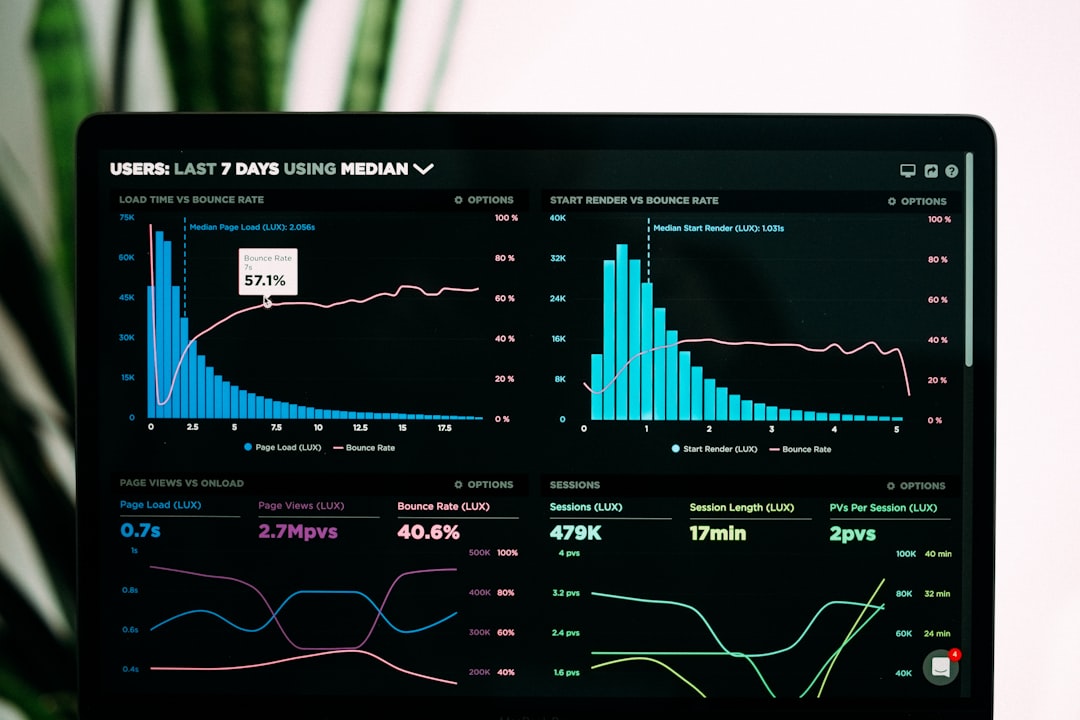
With this information, decisions improve. Training budgets are smarter. Promotions are justified.
Making It Engaging
Tests do not have to be boring. Modern assessment tools use:
- Gamification
- Interactive scenarios
- Time challenges
- Leaderboard rankings
This makes learning feel like a game. Engagement rises. Completion rates improve.
Some tools even simulate real-life environments. For example, a customer service trainee might respond to a virtual angry customer. That feels real. And it measures practical skill.
Common Challenges
No system is perfect. There are challenges.
Technical Issues
Internet problems can disrupt testing.
Test Anxiety
Some people fear exams. Too much pressure lowers performance.
Poor Test Design
Bad questions lead to bad data. Clear and fair design matters.
The solution? Keep things simple. Focus on real skills. Provide practice options.
Best Practices for Success
If you want to get the most from knowledge assessment software, follow these steps:
- Define clear goals
- Align tests with real-world tasks
- Use a mix of question types
- Analyze results regularly
- Provide constructive feedback
Assessment should guide growth. Not punish failure.
The Future of Skill Evaluation
The future looks exciting. Artificial intelligence is improving assessments. Systems can now:
- Analyze written responses with high accuracy
- Detect cheating patterns
- Adapt in real time
- Recommend custom training paths
Predictive analytics may soon forecast future performance. Imagine knowing who will excel in leadership before they step into the role.
Remote work also increases the need for digital verification. Companies must trust that employees have the right skills. Online assessments make that possible.
Why Simplicity Wins
At the heart of it all, knowledge assessment software does something simple. It measures understanding. Clearly. Fairly. Efficiently.
It replaces guesswork with evidence. It replaces opinions with data.
And when people know where they stand, they improve.
Final Thoughts
Skills drive success. But skills must be measured. Knowledge assessment software makes this job easier and smarter.
Whether you run a school, a small business, or a global company, these tools help you grow talent with confidence.
The process is fast. The insights are powerful. And the impact is real.
Measure smart. Train better. Grow faster.
That is the promise of knowledge assessment software.
