
In today’s digital world, almost every crime leaves behind an electronic trace. From financial fraud and cyberattacks to insider threats and even violent crimes, digital devices often contain critical evidence. Digital forensics software like FTK (Forensic Toolkit) plays a central role in helping investigators recover, preserve, and analyze this evidence while maintaining strict legal standards. These tools transform raw data into structured, searchable, courtroom-ready intelligence.
TLDR: Digital forensics software such as FTK enables investigators to collect, preserve, analyze, and report digital evidence from computers, mobile devices, and networks. These tools use advanced indexing, file recovery, email analysis, and password-cracking capabilities to uncover hidden or deleted data. With features designed for legal admissibility and collaboration, they are essential for both law enforcement and corporate investigations. As cybercrime increases, digital forensics platforms continue to evolve with automation, AI, and cloud integration.
Digital forensics is no longer a niche discipline reserved for elite law enforcement units. It is now widely used by:
- Police and government agencies
- Corporate security teams
- Incident response professionals
- Legal and compliance departments
- Military and intelligence organizations
At the heart of many investigations lies software like FTK, designed to extract meaningful evidence from massive volumes of digital data without compromising forensic integrity.
What Is Digital Forensics Software?
Digital forensics software refers to specialized tools used to identify, acquire, process, analyze, and report on data collected from digital devices. These devices may include:
- Desktop and laptop computers
- Mobile phones and tablets
- External drives and flash storage
- Cloud storage accounts
- Servers and enterprise systems
Unlike ordinary data recovery tools, forensic software maintains a strict chain of custody, ensuring that evidence remains unchanged and legally defensible in court.
One of the most recognized solutions in this field is FTK (Forensic Toolkit) by Exterro. It is known for its robust indexing engine, powerful search functions, and advanced evidence analysis capabilities.
How FTK Works in an Investigation
FTK follows a structured forensic workflow designed to preserve evidence integrity while providing deep analytical capacity.
1. Evidence Acquisition
The first step involves creating a forensic image of the suspect device. This is a bit-for-bit copy of a storage medium that preserves every piece of data.
Image not found in postmetaDuring acquisition:
- Write blockers prevent modification of original media
- Cryptographic hash values verify authenticity
- Metadata is preserved
This ensures that investigators analyze a verified copy rather than the original device.
2. Indexing and Processing
One of FTK’s defining features is its advanced indexing engine. Instead of searching files one by one, FTK builds a searchable database of the entire evidence set.
This enables:
- Lightning-fast keyword searches
- Pattern recognition
- Email filtering and sorting
- Data de-duplication
With large corporate investigations often involving terabytes of data, this indexing capability significantly reduces analysis time.
3. Recovering Deleted and Hidden Files
Criminals often believe that deleting files makes them disappear permanently. However, digital forensics tools can recover artifacts from:
- Unallocated disk space
- Recycled or deleted files
- File slack space
- Partially overwritten storage
FTK reconstructs file fragments and identifies hidden partitions, helping investigators uncover evidence suspects thought was destroyed.
4. Email and Communication Analysis
Email remains a major source of evidence in fraud, harassment, intellectual property theft, and conspiracy cases.
FTK supports:
- Analysis of PST and OST files
- Conversation threading
- Attachment extraction
- Timeline reconstruction
This allows investigators to rebuild communication chains and establish intent or collusion.
5. Reporting and Court Presentation
The final stage involves generating professional forensic reports.
Reports include:
- Hash verification records
- Chain of custody logs
- Detailed file analysis
- Relevant screenshots and metadata
Clear documentation ensures that findings stand up to cross-examination in court.
Key Features of FTK
FTK stands out for several reasons:
- Full-disk indexing for fast searches
- Password cracking and decryption tools
- Registry analysis
- File carving
- Memory analysis capabilities
- Data visualization tools
Its scalability makes it suitable for small investigations and enterprise-level cases alike.
Other Popular Digital Forensics Tools
While FTK is widely used, several other digital forensics platforms serve similar purposes. Each has strengths depending on investigative needs.
| Tool | Key Strengths | Best For | Notable Feature |
|---|---|---|---|
| FTK | Advanced indexing, email analysis, scalability | Corporate and law enforcement investigations | High-speed search engine |
| EnCase | Industry standard, strong legal credibility | Law enforcement agencies | Comprehensive evidence handling |
| Autopsy | Open source, customizable | Educational and smaller investigations | Cost-effective solution |
| X Ways Forensics | Lightweight, efficient performance | Experienced forensic analysts | Low resource consumption |
Choosing the right tool depends on case complexity, budget, team experience, and jurisdictional requirements.
The Importance of Chain of Custody
Digital evidence must meet rigorous standards to be admissible in court. One of the most critical concepts in digital forensics is chain of custody.
This ensures:
- Evidence is properly documented
- Access is controlled and logged
- No unauthorized modification occurs
- Integrity is verified via hash values
FTK and similar platforms automatically log actions taken during analysis, providing defensible documentation.
Challenges in Modern Digital Forensics
The digital landscape is constantly evolving. Investigators face several challenges:
- Encrypted devices
- Cloud-based storage
- Massive data volumes
- Anti-forensic techniques
- Rapidly changing operating systems
Modern forensic software must adapt quickly. FTK incorporates decryption tools and supports integration with other investigative technologies to address these growing complexities.
Corporate Use Cases
While many associate digital forensics with criminal investigations, corporations increasingly rely on forensic software for internal matters.
Common scenarios include:
- Insider data theft
- Employee misconduct
- Intellectual property loss
- Regulatory compliance audits
- Cybersecurity breach response
In these cases, the goal is often to:
- Determine the scope of data exposure
- Identify responsible parties
- Mitigate further damage
- Provide legally defensible documentation
FTK’s enterprise deployment options allow multiple investigators to collaborate securely on large cases.
Automation and Artificial Intelligence in Forensics
As data volumes explode, manual analysis becomes inefficient. Modern forensic tools increasingly rely on automation and AI-driven features.
Emerging capabilities include:
- Automatic artifact categorization
- Image recognition
- Timeline reconstruction
- Behavior pattern detection
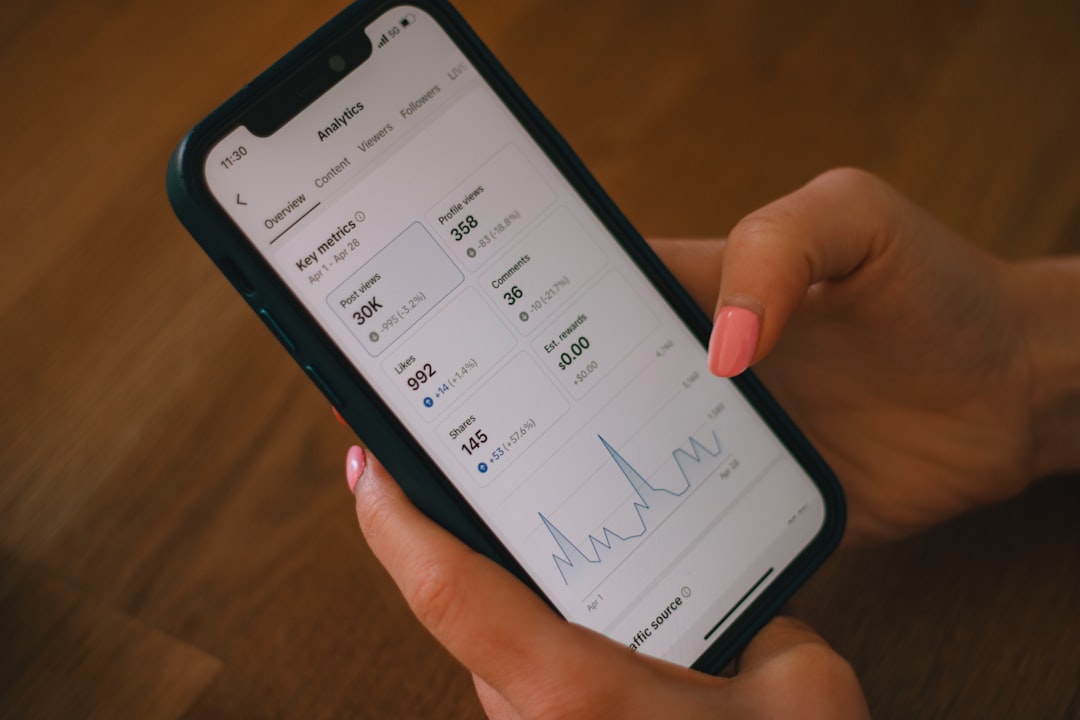
These intelligent systems highlight anomalies and patterns investigators might otherwise miss, significantly reducing case backlog.
Cloud and Mobile Forensics
Modern investigations rarely involve just a single desktop computer. Today’s digital ecosystem includes:
- Smartphones
- Cloud storage platforms
- Messaging apps
- Social media accounts
- Remote collaboration tools
Digital forensics software now integrates with specialized mobile and cloud forensic modules, enabling investigators to:
- Extract mobile device backups
- Analyze app data artifacts
- Collect cloud-based evidence
- Correlate cross-device activity
This multi-source analysis creates a comprehensive view of digital behavior.
Skills Required to Use FTK Effectively
While digital forensics software is powerful, it is not fully automatic. Skilled examiners must understand:
- File systems and storage structures
- Operating systems
- Networking basics
- Legal requirements for evidence handling
- Cybersecurity principles
Certifications and ongoing training are essential to keep up with technological advancements.
The Future of Digital Forensics Software
The future of digital forensic platforms like FTK will likely include:
- Greater AI integration
- Enhanced cloud-native capabilities
- Stronger automation
- Real-time incident response support
- Improved cross-platform correlation
With cybercrime becoming more sophisticated, forensic tools must continuously innovate to keep pace.
Conclusion
Digital forensics software such as FTK has become an indispensable part of modern investigations. By combining powerful indexing, evidence recovery, encryption handling, reporting tools, and scalable architecture, these platforms allow investigators to transform raw digital artifacts into actionable intelligence.
Whether used by law enforcement solving complex cybercrimes or corporations handling internal misconduct, forensic software ensures that digital evidence is preserved, analyzed, and presented in a legally defensible manner. As technology evolves, these tools will continue expanding in capability—bridging the gap between raw data and truth in an increasingly digital world.
