
In today’s rapidly evolving digital ecosystem, Artificial Intelligence (AI) is no longer a futuristic ideal—it’s the heartbeat of modern analytics, operations, and visibility platforms. From logistics to customer experience management, AI fosters smarter decision-making, better resource allocation, and predictive capabilities that put organizations ahead of the curve. Yet, this evolution brings an urgent need for newer benchmarks to assess AI performance and effectiveness.
TL;DR
As AI becomes integral to visibility platforms, traditional metrics like latency and accuracy are no longer enough. Organizations must begin tracking new AI-specific metrics such as model explainability, data drifts, real-time adaptability, and ethical alignment. These emerging metrics offer more nuanced insights into the performance and trustworthiness of AI systems. Focused tracking ensures not only operational success but also builds long-term credibility in AI deployments.
Why Traditional Metrics Fall Short in AI Evaluation
Traditional performance indicators like CPU usage, latency, or throughput served well during an era of simpler analytics models. But when AI enters the picture with deep learning networks, neural architecture, and continuous retraining cycles, these KPIs don’t reveal the full picture. Measuring AI requires a layered perspective, concerned not just with speed and accuracy, but also with context, adaptability, fairness, and influence.
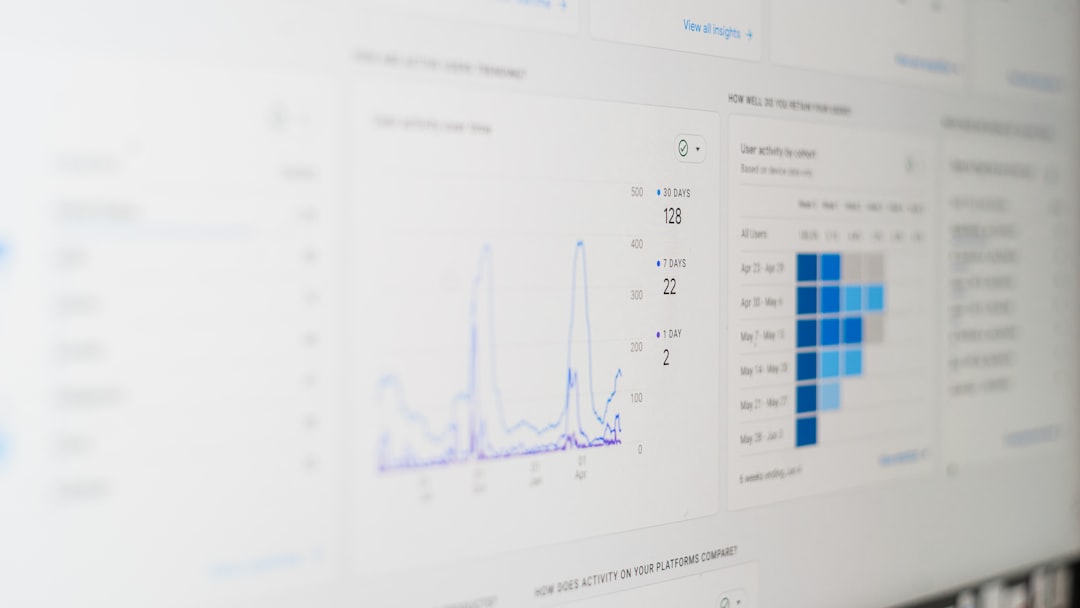
Emerging AI Metrics to Monitor
Let’s delve into some of the key AI-specific metrics every forward-thinking visibility platform should track. These metrics help in understanding how AI is functioning not only as a black-box engine but as a transparent contributor to enterprise goals.
1. Model Explainability
As AI systems become more complex, understanding why a model made a particular decision is paramount. Model explainability addresses this need. Tools like SHAP (SHapley Additive exPlanations) or LIME (Local Interpretable Model-agnostic Explanations) offer methodologies to interpret opaque models.
Key sub-metrics to track:
- Explanation Consistency: Measures if the explanation remains stable across similar inputs.
- User Comprehension Scores: Gathers feedback from end-users about how understandable the explanations are.
2. Data Drift and Concept Drift
AI models depend heavily on data, and environments are rarely static. Data drift occurs when the input data distribution changes over time, while concept drift signifies a change in the relationships between inputs and outputs. Not tracking these can lead to severe performance degradation.
How to monitor:
- Population Stability Index (PSI): Detects data distribution shifts.
- Performance Change Rate: Measures how quickly a model’s accuracy drops due to environment shifts.
3. Response Time to Retraining
In operational environments like supply chain management or finance, it’s not enough for AI systems to be smart—they need to be adaptive. This metric measures the time the system takes to identify drift and initiate retraining procedures. Minimizing lag here is critical for real-time applications.
Automation plays a big role. Look for whether the system supports:
- Automated Drift Detection Pipelines
- Trigger-based Retraining Cycles
4. Ethical Alignment Metrics
Bias in AI systems can lead to real-world ethical issues. Whether it’s facial recognition or lending systems, biased AI decisions can be damaging both to individuals and brand reputations. Visibility platforms should track:
- Fairness Ratio: Compares outcomes between protected and non-protected groups.
- Demographic Parity: Checks if different demographic groups receive equal treatment by the model.
- Explanation Sensitivity: Evaluates how explanations vary across sensitive attributes.
Using fairness dashboards integrated with AI monitoring tools can allow visibility platforms to report ethical risks in real-time.

5. Human-in-the-Loop Effectiveness
AI doesn’t operate in a vacuum. In many enterprise applications, humans review or override AI decisions. Metrics here assess how well AI integrates with human overseers to produce optimal outcomes.
Consider tracking:
- Override Rate: How often human operators reverse AI decisions.
- Support Satisfaction Scores: Feedback from human collaborators on AI usability and support.
- Time-to-Acceptance: Time taken by human operators to trust and act on AI suggestions.
6. Feedback Loop Strength
Precision improves when AI listens. Tracking feedback loop strength measures how well the system learns from outcomes and external corrections, adjusting future predictions accordingly.
Useful indicators include:
- Correction Adoption Rate: Percent of human feedback incorporated into future models.
- Model Update Frequency: How often models are retrained with up-to-date corrections.
7. Anomaly Detection Accuracy
For visibility platforms dealing with logistics, finance, and operations data, real-time anomaly detection is essential. But it’s not just about detection—it’s about the quality of that detection.
Important tracking variables:
- False Positive/Negative Rates: Indicates precision and recall of anomalies.
- Detection Latency: Measures how quickly anomalies are flagged.
8. Sustainability and Resource Efficiency
Training large-scale AI models is resource-intensive. As organizations look to reduce their carbon footprint, new metrics are emerging around the environmental cost of AI operations.
Relevant measures include:
- Energy Consumption per Inference: How much power is needed to make a single prediction.
- Model Size and Compression Rate: Evaluates whether the model is optimized without sacrificing accuracy.
The Role of Visualization Tools in AI Metric Tracking
Clearly, AI metric tracking is no longer optional—it’s organizationally critical. But raw numbers can overwhelm more than they enlighten. That’s where powerful visualization tools come in. The ability to render AI performance through intuitive dashboards, trend lines, and color-coded alerts can help stakeholders—from engineers to executives—engage meaningfully with AI impact.

Conclusion: Embrace Smart Metrics to Foster Trust and Performance
Emerging AI metrics are conduits to smarter and more responsible technologies. Beyond operational gains, these insights promote a balanced view—capturing technical accuracy, user confidence, ethical standards, and ecological responsibility. Every visibility platform must treat AI measurement not as an afterthought, but as a built-in feature from day one.
As the AI landscape matures, the organizations that win will not be those with the most data or even the fastest models—but those that understand and track the right metrics. It’s time to transition from simple analytics to strategic AI telemetry. Visibility platforms should lead the way.
