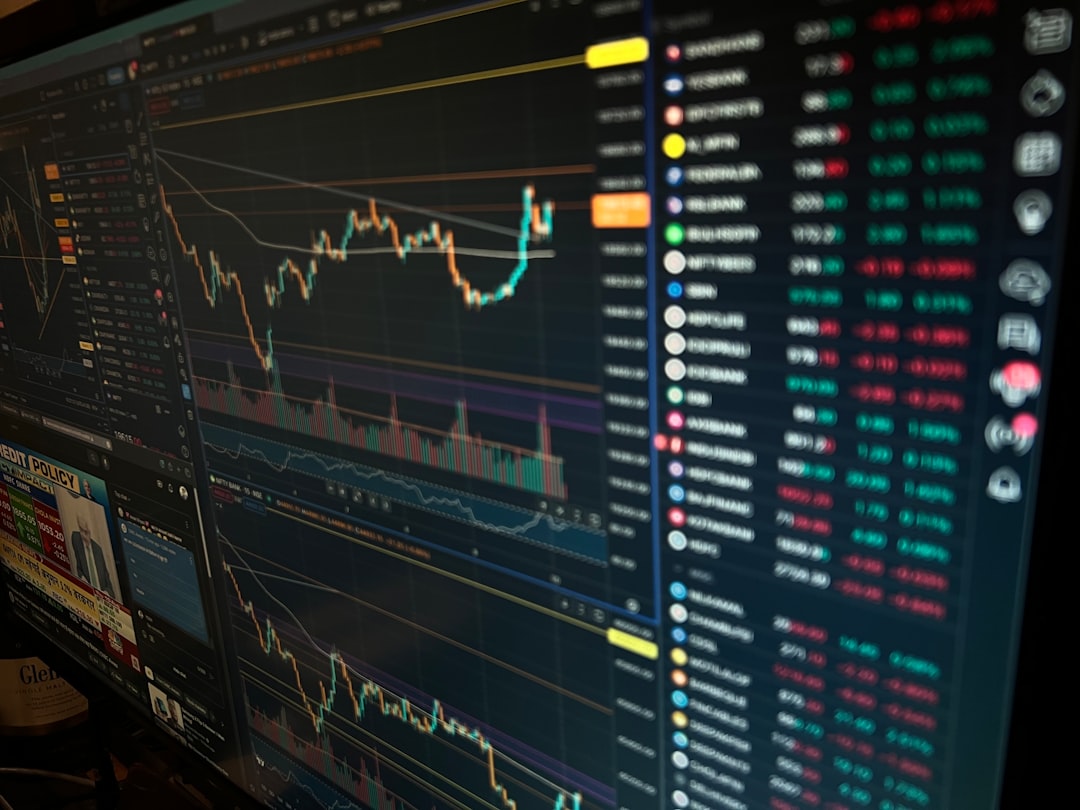
Energy markets move fast, react sharply to geopolitical events, and depend on enormous flows of real-time data. For traders operating in oil, natural gas, power, coal, emissions, and renewables, having access to sophisticated analytics and execution tools is no longer a luxury—it is a necessity. Platforms like Refinitiv Eikon and other professional energy trading systems have become central hubs where market intelligence, pricing data, advanced analytics, and deal execution converge into a single, dynamic environment.
TLDR: Energy trading platforms like Eikon provide real-time data, advanced analytics, news integration, and execution capabilities in one centralized system. They help traders interpret volatile energy markets, manage risk, and seize opportunities quickly. By combining charting tools, fundamental data, and automated workflows, these platforms improve decision-making and operational efficiency. As energy markets grow more complex, such platforms are becoming mission-critical for both physical and financial traders.
The Unique Complexity of Energy Markets
Unlike equities or traditional fixed-income securities, energy markets are heavily influenced by supply-demand fundamentals, weather forecasts, infrastructure constraints, macroeconomics, geopolitical tensions, and regulatory changes. A hurricane in the Gulf of Mexico, for instance, can disrupt oil production; cold weather across Europe can spike natural gas prices; new carbon policies can reshape power markets overnight.
Energy traders must track:
- Spot and futures prices across multiple exchanges
- Physical supply and storage levels
- Shipping rates and logistics constraints
- Weather data and forecasts
- Refinery outages and infrastructure disruptions
- Macroeconomic indicators and currency movements
Platforms like Eikon aggregate these diverse data streams into a coherent view, allowing traders to interpret complex market signals quickly and accurately.
Core Features of Energy Trading Platforms
High-end energy trading platforms offer far more than price quotes. They provide an integrated ecosystem designed to identify opportunities, assess risk, and execute trades seamlessly.
1. Real-Time Market Data
At the heart of every serious trading platform is reliable, low-latency market data. Traders need up-to-the-second pricing for:
- Crude oil benchmarks such as Brent and WTI
- Natural gas hubs like Henry Hub and TTF
- Electricity day-ahead and intraday markets
- Coal, LNG, and carbon emission credits
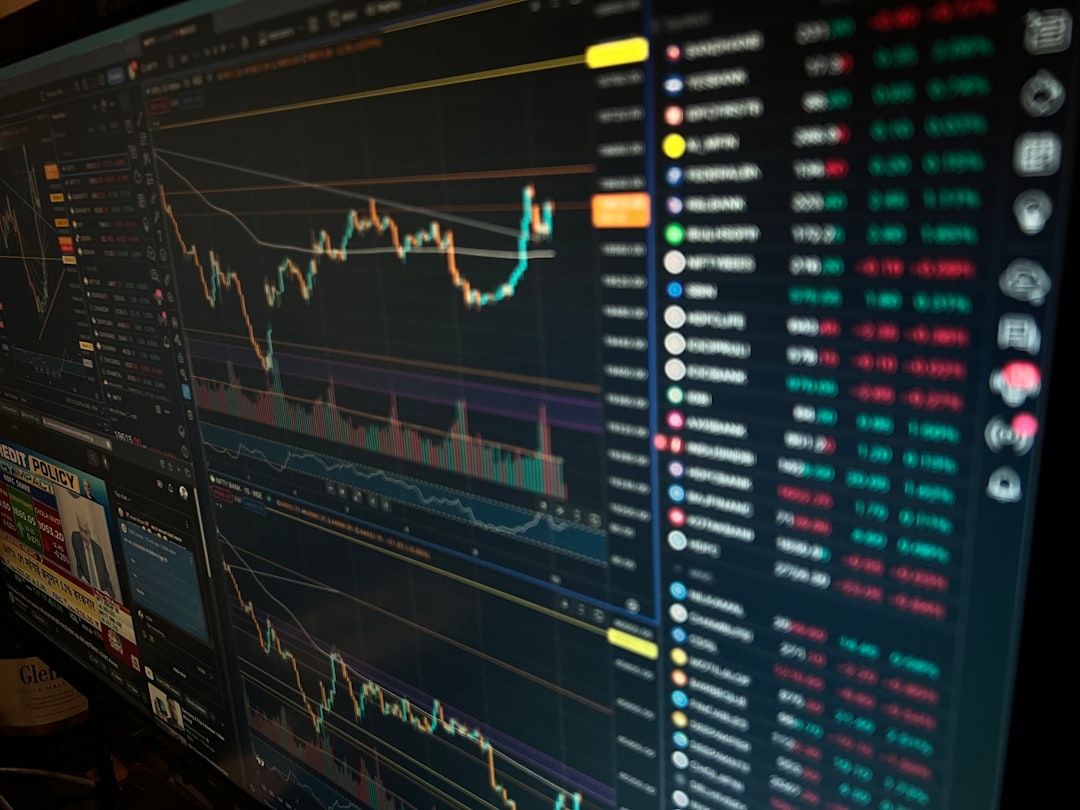
Eikon and similar systems offer customizable dashboards where users can arrange watchlists, live charts, and tick data feeds to match their strategies.
2. Advanced Charting and Technical Analysis
Energy traders frequently blend fundamental and technical analysis. Platforms provide:
- Candlestick and advanced chart types
- Technical indicators such as RSI, MACD, Bollinger Bands
- Volume analysis tools
- Spread charting for crack spreads, spark spreads, and inter-commodity relationships
These features enable traders to detect patterns, identify breakouts, and confirm entry or exit points.
3. Fundamental Data Integration
Energy trading is deeply rooted in fundamentals. Modern platforms incorporate:
- Inventory reports (e.g., EIA data)
- Rig counts and production figures
- Weather models and forecast updates
- Shipping and tanker tracking data
- Power plant generation statistics
This integration allows traders to shift smoothly between macro-level analysis and micro-level trade execution.
News, Intelligence, and Market Sentiment
One of the major strengths of platforms like Eikon is their integration of real-time news and expert analysis. In energy markets, a single headline can trigger rapid price movements. For example:
- Sanctions on oil-exporting countries can tighten supply.
- Pipeline shutdowns can disrupt regional markets.
- OPEC production decisions can ripple across global pricing structures.
Advanced platforms provide:
- Live news feeds filtered by asset class
- Company-level intelligence
- Analyst forecasts and research reports
- Economic calendars with event alerts
By consolidating intelligence into one place, traders minimize information lag and reduce reliance on multiple scattered sources.
Execution Capabilities and Workflow Integration
Analyzing markets is only half the equation. Successful energy traders must also execute efficiently. Many platforms integrate direct market access (DMA) and electronic trading capabilities.
Key execution features often include:
- Order routing to multiple exchanges
- Algorithmic trading options
- Smart order routing for best price execution
- Pre-trade risk checks
- Post-trade reporting and analytics
In physical energy trading, platforms may also integrate contract management, scheduling logistics, and compliance documentation, creating a streamlined end-to-end workflow.
Risk Management and Compliance
Energy markets are volatile. Unexpected price swings can lead to significant financial exposure. Robust trading platforms offer built-in risk management modules that help firms:
- Monitor real-time P&L (profit and loss)
- Track value-at-risk (VaR)
- Measure exposure across regions and commodities
- Stress test portfolios against hypothetical scenarios
Regulatory compliance is also critical. Energy firms must adhere to reporting requirements that vary across jurisdictions. Integrated compliance tools automate reporting tasks and reduce operational risk.
Comparison of Leading Energy Trading Platforms
While Eikon is a prominent example, several other platforms serve energy traders with varying strengths. Below is a simplified comparison chart.
| Platform | Key Strengths | Ideal Users | Execution Capabilities | Advanced Analytics |
|---|---|---|---|---|
| Refinitiv Eikon | Extensive data coverage, integrated news, strong analytics | Institutional traders, commodity desks | Yes, multi-venue access | High |
| Bloomberg Terminal | Global market depth, communication tools, strong macro data | Cross-asset traders, energy funds | Yes | High |
| ICE Trading Platform | Exchange-native energy derivatives | Futures traders, hedgers | Direct exchange trading | Moderate to High |
| Specialized ETRM Systems | Physical trading, logistics, contract management | Energy producers, utilities | Integrated with operations | Moderate, operations-focused |
Each platform offers distinct advantages, and many firms use multiple systems simultaneously to meet their needs.
The Rise of Data Science and Automation
Modern energy trading platforms increasingly incorporate data science tools and automation features. Traders can:
- Run statistical models directly within the platform
- Backtest trading strategies
- Use APIs to connect with proprietary models
- Automate alerts based on custom triggers
Machine learning models are now being integrated to forecast demand patterns, detect anomalies in price behavior, and optimize hedging strategies. API connectivity allows quantitative teams to extract data for use in Python, R, or other analytical environments.
Benefits for Different Market Participants
Energy trading platforms are not limited to hedge funds or speculative traders. They serve a broad spectrum of market participants:
Producers
Oil and gas companies use these systems to hedge production, manage revenue exposure, and analyze forward curves.
Utilities
Power utilities rely on forecasting tools to balance generation, hedge fuel inputs, and manage grid reliability.
Commodity Trading Firms
Trading houses benefit from arbitrage analysis, logistics management, and multi-asset exposure tracking.
Institutional Investors
Funds and asset managers analyze futures positions, monitor risk, and execute diversified commodity strategies.
The Future of Energy Trading Platforms
The energy sector itself is undergoing a major transformation. The shift toward renewables, carbon trading, hydrogen markets, and decentralized grids is introducing new data streams and risk factors. Trading platforms must evolve to handle:
- Real-time renewable generation data
- Battery storage optimization metrics
- Carbon offset verification tracking
- Environmental, social, and governance (ESG) analytics
Cloud-based deployment, artificial intelligence, and greater API interoperability are shaping the next generation of systems. Platforms are becoming more modular, customizable, and collaborative, supporting teams across trading, risk, compliance, and operations.
Conclusion
Energy trading platforms like Eikon represent far more than digital quote screens. They are comprehensive command centers that combine data aggregation, sophisticated analytics, news intelligence, risk management, and seamless trade execution. In a market defined by volatility and complexity, speed and clarity of information can determine profitability.
As the global energy landscape expands into renewables and carbon markets, the value of integrated, intelligent trading platforms will only increase. For traders and firms seeking to analyze markets effectively and execute deals with confidence, these systems have become indispensable tools at the forefront of modern energy finance.
