
Within the ever-evolving landscape of modern technology, certain figures emerge whose contributions leave an indelible mark on both current innovation and future trajectories. Erny Huelke, though not a household name in the mainstream media, stands as one such individual—quietly influential yet powerfully transformative across multiple disciplines, from human-centered design to biomechanics and ergonomic innovation.
TLDR: Erny Huelke’s work has had a subtle but foundational impact on various aspects of modern technology, particularly in the areas of human factors engineering, crash safety, and usability design. He was a pioneer in biomechanics research, and his insights are applied in today’s automotive safety standards, wearable tech, and user interface design. This article explores the depth of his influence and why his work continues to matter. His legacy is woven into technologies we engage with daily—often without realizing it.
The Quiet Force Behind Human-Centered Technology
Erny Huelke began his journey as a researcher during a time when the convergence of humans and machines was just starting to be formally studied and quantified. What set Huelke apart early on was his unwavering focus on how humans interact with systems under stress and with little margin for error—a lens that shaped his life’s work in biomechanics and crash safety. This foundation led him to become a pivotal figure in shaping the philosophies behind human-centered design that underpin much of today’s modern tech interfaces and ergonomic solutions.
Legacy in Crash Safety and Auto Tech
Perhaps one of Huelke’s most enduring legacies is in the field of automotive crash safety. As an early researcher into the physiological and anatomical response of the human body in vehicular collisions, he contributed groundbreaking data that reshaped how we think about car safety today. His work was instrumental in the evolution of crash test dummies—those silent, resilient stand-ins that today still echo his precise understanding of human biomechanics.
Huelke’s research offered granular insight into how muscles, skeletal structures, and organ systems react during high-impact events. This led to the design of more accurate test models and helped catalyze the implementation of life-saving technologies such as:
- Advanced airbag deployment systems that adjust based on real-time crash analytics.
- Seat-belt pre-tensioners engineered to maximize protection using anatomy-based pressure thresholds.
- Redesigned vehicle interiors optimized to reduce injury during front, side, and rear impacts.
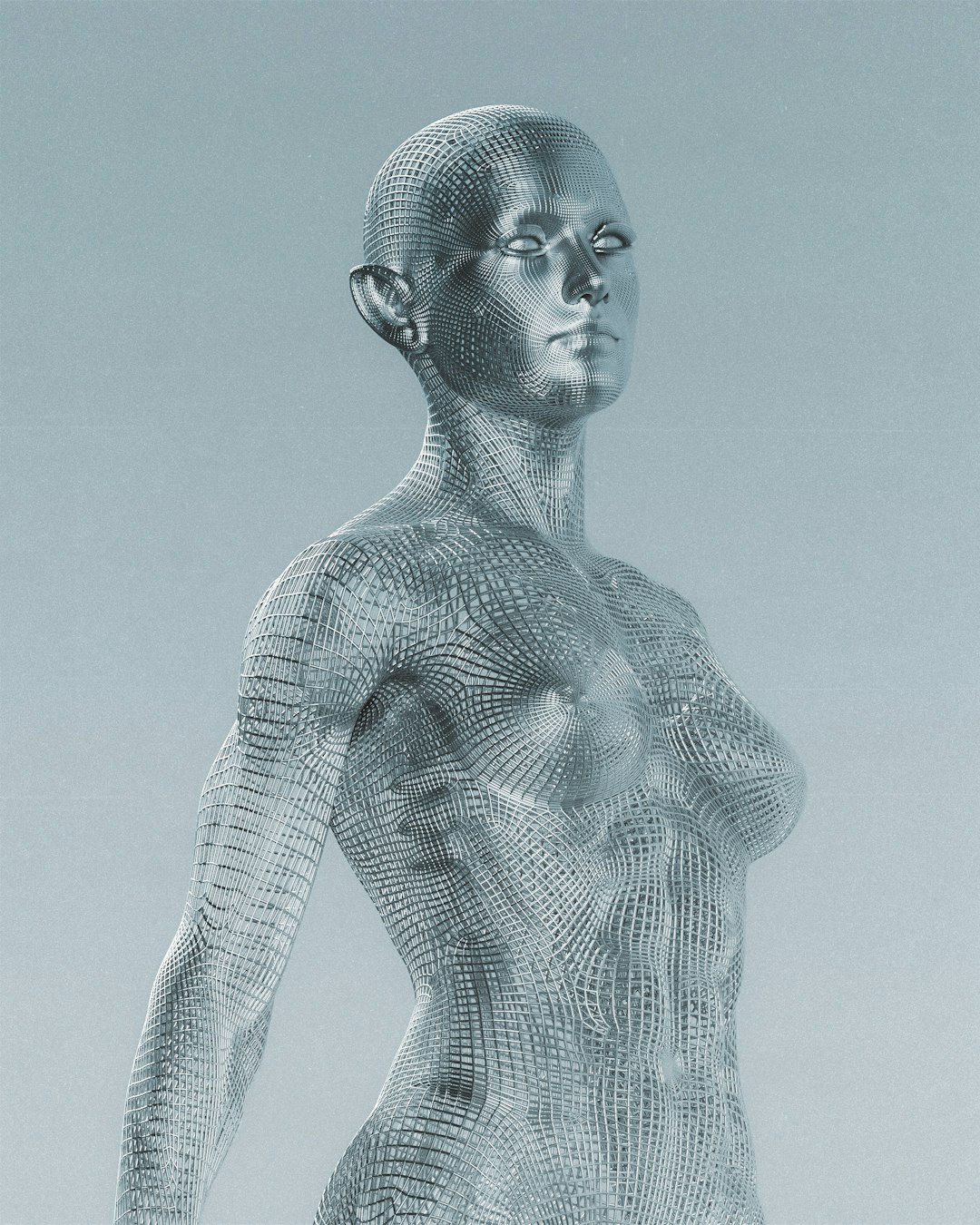
His work also contributed to government safety programs like the National Automotive Sampling System and the Crash Injury Research and Engineering Network (CIREN), forming some of the most comprehensive injury databases used in regulatory and design contexts around the globe.
Influence on Wearable and Assisted Technologies
Huelke’s pursuit of understanding the intricacies of human movement and stress response didn’t end with vehicles. His findings have had longstanding ripple effects in the world of wearable technologies and assistive engineering. Consider the smartwatches, fitness trackers, and body-monitoring devices that permeate today’s consumer markets. The comfort, resilience, and body-conforming designs—along with their ability to measure precise movements—are direct descendants of principles Huelke studied decades ago.
He helped create models that factored in natural human postures as they move, sit, fall, and adapt to mechanical systems. These models serve as the skeletons upon which designers overlay technology today. The result is a smoother, safer interaction between biological form and engineered function, reflected in technologies such as:
- Exoskeletons for physical rehabilitation that follow the body’s biomechanics
- Wearables with stress monitors that detect anomalous movement and predict falls
- Ergonomic keyboards and office equipment that minimize strain injuries
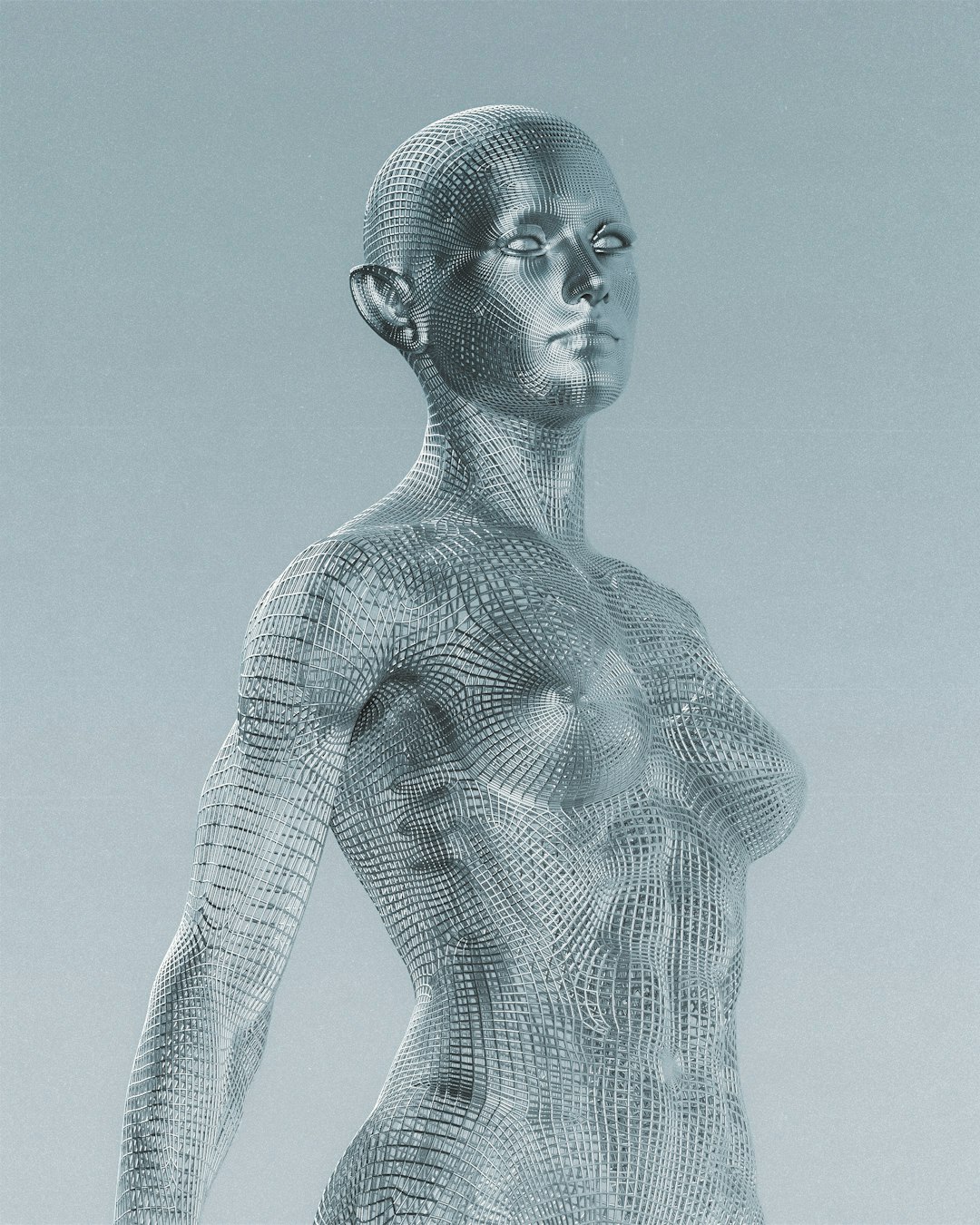
Huelke’s insights also influenced military-grade and industrial wearable safety gear, where user protection during high physical stress is critical.
Human Factors Engineering: Bridging Hardware and UI
Another lesser-known arena where Erny Huelke’s influence shines is in user interface (UI) and hardware design. His deep dive into how individuals perceive stimuli, react to tactile interfaces, and interact with machine logic underlies principles of today’s most accessible and inclusive design formats. Whether we realize it or not, many user-friendly features in consumer electronics follow the tenants of ergonomics and responsiveness that Huelke once defined.
Examples of design elements that owe homage to his work include:
- Touchscreens designed with pressure-responsive zones to reduce fatigue
- Voice-activated systems adjusted for delayed reaction times and real-time corrections
- Intuitive layouts of complex dashboards in aviation, medical equipment, and vehicles
Through collaborations with ergonomics specialists, behavioral scientists, and hardware engineers, Huelke’s principles served as the connective tissue allowing form and function to coexist harmoniously.
Ethical Considerations and Human-Centered Ethics
Importantly, Erny Huelke wasn’t just a technical visionary—his work also navigated the ethical dimensions of technological integration. In an era increasingly dominated by AI, automation, and impersonal interfaces, his approach remains vital. Huelke advocated for keeping the human body and mind at the center of all engineering endeavors, a discipline now often referred to as human-centered ethics.
This perspective has grown from his early scientific inquiries into a modern design philosophy pervasive in companies like Apple, Tesla, and Amazon. These organizations often employ human factors research teams specifically to ensure that the alignment between man and machine reflects not just efficiency, but empathy and safety. In this way, Huelke’s legacy acts as both a technical and moral compass for innovation.
Academic and Pedagogical Contributions
In academia, Erny Huelke served as a mentor and guiding light for a new generation of researchers in multiple disciplines. As a professor and thought leader, his publications became standard reading in courses related to:
- Mechanical engineering
- Public health and injury prevention
- Industrial design and product usability
These teachings extend beyond mere study—they facilitate a mindset that persists in labs, design studios, and boardrooms alike. Innovators trained under Huelke or influenced by his papers are now contributors to the technologies shaping our everyday lives, reflecting his enduring academic impact.
Lasting Technological Influence and Conclusion
The impact of Erny Huelke on modern technology cannot merely be summarized in patents or academic journals—his true legacy lies in the ethos driving human-safe, user-friendly innovations. From car safety systems and wearable devices to user-focused design and ethical engineering, Huelke’s fingerprints are found everywhere.
His work reminds us that behind successful technology is not just intelligent design, but intentional, compassionate analysis of how human beings think, move, and interact. As we move into an era dominated by AI, robotics, and immersive interfaces, the foundational principles Huelke supported serve as a powerful reminder: technology should adapt to humanity, never the other way around.
