Group projects used to be messy. Emails got lost. Files were renamed “final_v3_really_final.” Meetings were long. Deadlines were missed. Then online collaboration tools arrived and changed everything. Teams became faster. Communication became clearer. And surprisingly, many organizations reported up to a 40% improvement in project completion rates.
TLDR: Online collaboration tools help teams communicate faster, share files easily, and track tasks clearly. This reduces confusion and saves time. As a result, group projects are completed more efficiently, often improving completion rates by up to 40%. Simple tools, used well, create big results.
Let’s break down how this happened. And why it matters.
The Old Way Was Slow
Before digital collaboration tools, teamwork relied on emails and in-person meetings. That worked. But it was not smooth.
- Threads became cluttered.
- Important messages were buried.
- Files were outdated within hours.
- People missed updates.
Imagine five people editing the same document. Each person sends a new version. Now there are five versions. Which one is correct? No one knows.
Confusion leads to delays. Delays lead to stress. Stress leads to unfinished tasks.
Teams were working hard. But not always working smart.
The Rise of Online Collaboration Tools
Then tools like shared documents, task boards, chat apps, and cloud storage changed the game. These tools put everyone on the same page. Literally.
Now teams can:
- Edit documents in real time.
- Assign tasks clearly.
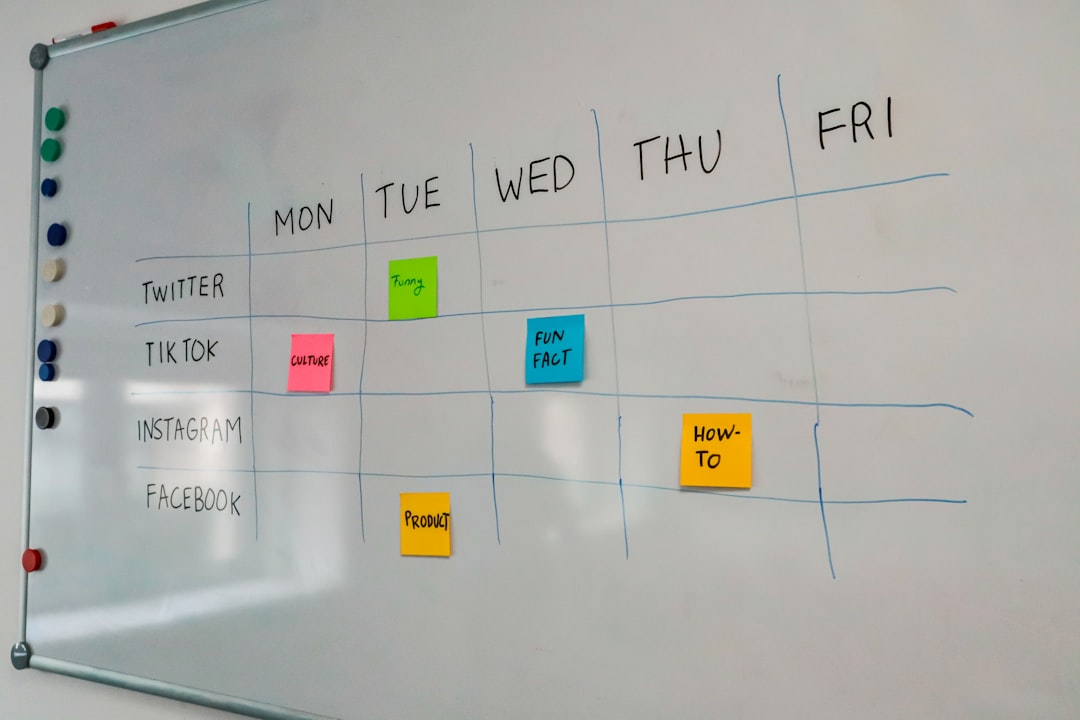
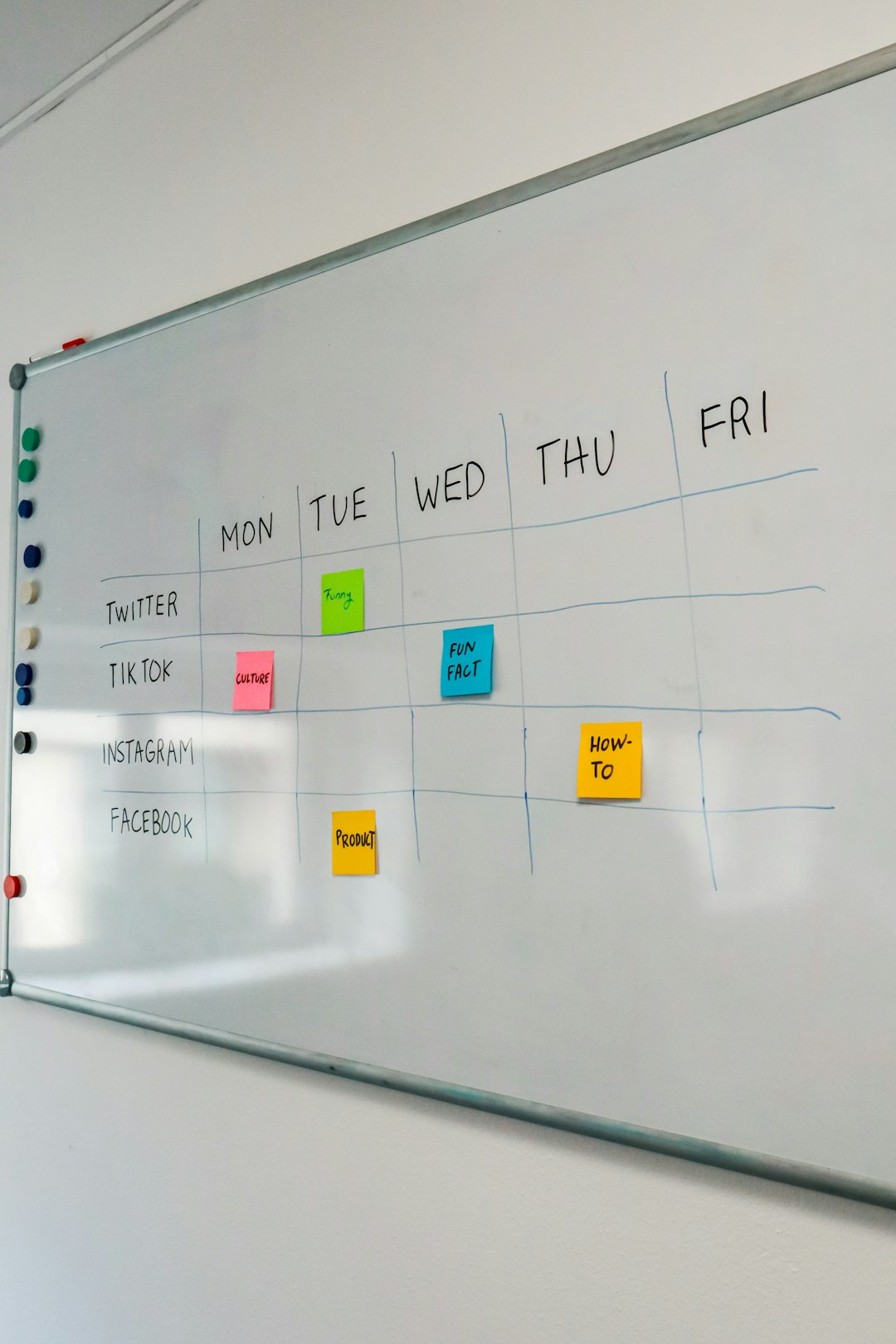
- Track progress visually.
- Communicate instantly.
- Store files in one safe place.
This removes guesswork. Everyone knows what to do. And when to do it.
Image not found in postmetaClear Communication = Faster Decisions
Communication is everything in group projects. When it fails, the project fails.
Online chat platforms allow quick conversations. Short questions get quick answers. No need for a long meeting.
Example:
Before: “Let’s schedule a meeting next week to discuss this small edit.”
Now: “Hey, should we change this title?”
“Yes.”
Done.
Small time savings add up. Over weeks and months, this can save hours.
Less waiting means faster progress.
Real-Time Editing Saves Massive Time
One of the biggest improvements came from real-time editing tools.
Multiple people can work on the same document at once. Changes appear instantly. Comments are clear. Suggestions are tracked.
No more merging documents. No more guessing who changed what.
This alone can reduce document preparation time by 20–30%.
Now multiply that across every assignment, report, or plan in a project.
The result? Projects move forward smoothly.
Task Management Creates Accountability
Online task boards are simple but powerful.
Each task is:
- Assigned to one person.
- Given a deadline.
- Visible to everyone.
There is no confusion about responsibility. Everyone sees who is doing what.
This creates healthy accountability.
People are more likely to complete tasks when their name is attached to them publicly.
Progress bars and checklists also create motivation. Checking off a task feels good. It builds momentum.
Cloud Storage Prevents Chaos
File problems used to be common. Files were stored on personal computers. Hard drives failed. Files were lost.
Cloud storage fixed this.
Now:
- Files are stored in one place.
- Everyone accesses the same version.
- Permissions are controlled.
- Nothing disappears easily.
This reduces technical delays. And reduces stress.
When teams trust their tools, they focus more on the work.
Remote Work Supercharged Adoption
When remote work increased worldwide, collaboration tools became essential.
Teams could no longer rely on walking to someone’s desk. They needed digital systems.
Video meetings replaced conference rooms. Shared boards replaced whiteboards. Chat replaced hallway conversations.
At first, it felt strange. But soon, teams realized something surprising.
They were getting more done.
Travel time disappeared. Meetings became shorter. Updates became clearer.
Many companies tracked their performance. They discovered that projects were finishing about 40% more often and on time compared to older methods.
This was not magic. It was structure.
Transparency Builds Trust
Online tools make work visible.
You can see:
- Who completed tasks.
- What stage a project is in.
- Where delays are happening.
This transparency builds trust.
Instead of blaming others, teams look at the board and solve the problem together.
Problems are spotted earlier. That means faster fixes.
Small issues do not grow into big disasters.
Data Helps Teams Improve
Many collaboration platforms provide analytics. They track:
- Task completion times.
- Missed deadlines.
- Workload distribution.
This data is powerful.
Managers can see if one person is overloaded. They can rebalance work before burnout happens.
They can also identify patterns. Maybe design tasks take longer than expected. Maybe reviews need clearer guidelines.
With data, improvements become intentional.
Less Stress, More Focus
Disorganization creates anxiety. Clear systems reduce it.
When team members know:
- Where to find information,
- What their responsibilities are,
- When deadlines occur,
They feel calmer.
Calm people think better. They make fewer mistakes.
That leads to higher quality work. And better completion rates.
Image not found in postmeta
Fun Features Increase Engagement
Some tools add small fun features. Emojis. Reactions. Celebration animations when tasks are done.
These seem small. But they matter.
They make digital work feel human.
When a teammate reacts with a thumbs-up, it feels supportive. When a milestone triggers a celebration animation, it boosts morale.
Morale drives productivity.
Simple Tools, Big Results
It is important to note something. The improvement did not come from complexity.
It came from simplicity.
The best collaboration systems are:
- Easy to use.
- Clear in structure.
- Consistent across the team.
When everyone uses the same system the same way, efficiency grows.
Tools do not replace teamwork skills. They support them.
Examples of Real Impact
Let’s imagine a marketing team launching a product.
Before online tools:
- Design files sent by email.
- Feedback scattered across messages.
- Deadline confusion.
- Last-minute changes.
After adopting collaboration software:
- Tasks assigned in a project board.
- Files shared in one folder.
- Comments placed directly on designs.
- Weekly progress tracked visually.
The result?
Launch completed two weeks earlier than usual. Fewer errors. Happier team.
This pattern repeats across industries. Education. Technology. Healthcare. Non-profits.
Wherever groups work together, structured digital collaboration improves results.
Why the 40% Improvement Makes Sense
Let’s think logically.
If you reduce:
- Time spent searching for files,
- Time spent clarifying misunderstandings,
- Time spent in unnecessary meetings,
- Time spent fixing avoidable mistakes,
You naturally increase completion rates.
A 40% improvement is not unrealistic. It reflects saved time being redirected into meaningful work.
Better systems create better output.
Tips to Maximize Results
If you want similar improvements, follow these simple tips:
- Choose one main platform. Avoid tool overload.
- Set clear rules. Define how tasks are assigned and updated.
- Train everyone. Even simple tools need introduction.
- Review weekly. Keep the system active.
- Encourage participation. Everyone should update their progress.
Tools work best when habits support them.
The Human Factor Still Matters
Technology helps. But people drive success.
Respectful communication. Clear goals. Shared responsibility.
These remain essential.
Online collaboration tools simply remove friction. They make teamwork smoother.
And when teamwork is smooth, projects get finished.
Final Thoughts
Group projects will always have challenges. Different personalities. Different schedules. Different ideas.
But with structured online collaboration tools, those challenges become manageable.
Communication becomes instant. Tasks become visible. Progress becomes measurable.
The result is powerful.
Up to 40% better project completion.
That means fewer missed deadlines. Less chaos. More wins.
In the end, successful teamwork is not about working harder. It is about working smarter. And today, smart teams collaborate online.
