
Over the past few years, Instagram has evolved beyond being a platform simply for visuals and into a nucleus for social trends, microcultures, and personal expression. One of the most influential and visually-driven subcultures to emerge on the app is the rapidly growing “Dress To Impress” (DTI) trend. More than just a fashion aesthetic, DTI represents a movement that combines self-confidence, style, community, and creativity—all manifested through curated photos and videos.
TL;DR:
The Instagram DTI trend emphasizes showcasing chic, elaborate, and stylish outfits to express confidence and taste. It’s less about daily wear and more about dressing up to stand out. The movement is powered by content creators known as DTI models who are setting the tone for what’s fashionable online. DTI represents not only fashion evolution but also social influence and digital identity-building.
What Exactly Is “Dress To Impress” (DTI)?
Dress To Impress, or DTI, is an Instagram-born trend characterized by the intentional act of wearing high-fashion or meticulously curated outfits with the purpose of making a visual impact. Unlike everyday fashion posts, DTI posts are often:
- Exaggerated in style or sophistication
- Heavily edited or aesthetically themed
- Accompanied by captions that exude confidence or subtly challenge followers to up their fashion game
- Shot in luxurious or dramatically posed settings
This trend is less about authenticity in appearance and more about aesthetic performance. For Gen Z and young Millennials, DTI offers a digital stage where personal style translates directly into reputation, followers, and eventually, monetizable influence.
The Origins and Cultural DNA of DTI
While fashion has always had a significant presence on Instagram, DTI began gaining traction around 2020, just as pandemic lockdowns forced many to express themselves online. With nowhere to go, users started dressing up at home and using platforms like Instagram and TikTok to document their creative takes on fashion-forward outfits.
The hashtag #DTI, often paired with #OOTD (Outfit of the Day), quickly trended, especially among younger audiences exploring identity, fashion, and digital space. Influencers and “aesthetic pages” began crafting entire feeds dedicated to lavish outfits, polished backdrops, and fashion-centric transformations.
The Anatomy of a DTI Post
A successful DTI Instagram post follows an unspoken formula, blending several key components:
- Exaggerated Style: Layered outfits, unique materials, bold colors.
- Posed Perfectly: Unapologetic self-confidence in posture and facial expression.
- Background Themes: From luxury hotel rooms to surreal street art backdrops.
- Hashtags + Captions: Often sassy, confident, or referencing pop culture.
One common thread in DTI is the idea of “main character energy”—users present themselves not just as stylish individuals, but as central figures in the world their feed constructs.
DTI Fashion Trends Dominating Instagram
Fashion in the DTI world is fluid and ever-evolving, but a few standout trends have become recurring staples across user posts:
1. Y2K Revival
The early 2000s are back—but with a modern twist. Think low-rise jeans paired with crop tops, metallic accessories, butterfly clips, and technicolor sunglasses. This nostalgic return nods to pop culture icons like Britney Spears and Paris Hilton while offering a playful and edgy aesthetic.
2. Maximalism
In contrast to the minimalist looks of the early 2010s, DTI celebrates more is more. Expect clashing prints, volume-heavy silhouettes, and layering taken to avant-garde extremes.
3. Quiet Luxury
On the flip side of maximalism, another DTI sub-trend is “quiet luxury,” where understated but opulent pieces create a look of effortless wealth. Velvet blazers, neutral-toned co-ords, and barely-branded couture pieces reflect the rising influence of stealth-wealth aesthetics.

4. Genderfluid Fashion
DTI removes gender constraints from style. Many DTI influencers embrace androgyny or mix traditionally “male” and “female” pieces—like skirts paired with oversized blazers or heeled boots worn with joggers—to upend binary fashion expectations.
Who Are the DTI Models?
DTI models are not necessarily traditional runway models. Instead, they are content creators who’ve gained attention for their remarkable sense of style, unique visual storytelling, and ability to drive trends. Some notable DTI influencers include:
- Wisdom Kaye: Dubbed the “Best-Dressed Guy on TikTok,” Wisdom’s dramatic fits and editorial-level shoots blur the line between influencer and high fashion icon.
- Taylor Hage: Known for her relatable “main character” reels and on-point styling advice, Taylor embodies the accessible side of DTI.
- Demy de Zeeuw: Though primarily known in sports, his polished lifestyle content perfectly reflects quiet luxury DTI vibes.
These creators aren’t just about looking good—they’re setting the parameters of what fashion-forward social media looks like in the 2020s.
Why Does DTI Matter?
At its core, DTI is more than fashion; it’s a cultural shift. It provides a platform for digital identity creation, where users control how they are perceived, allowing them to curate online personas that align with confidence, beauty, and influence. Here’s why it matters:
- Confidence Building: The act of dressing up and sharing it boosts self-esteem and develops personal branding skills.
- Community: DTI has organically created a global community where like-minded fashion enthusiasts share ideas and inspiration.
- Career Opportunities: For many DTI creators, stylish content turns into collaborations, modeling gigs, or fashion partnerships.
DTI and the Future of Influencer Marketing
As DTI becomes more mainstream, brands are taking notice. Traditional advertising is now supplemented—or replaced—by influencer promos where a creator dons a product in a DTI-worthy post. The aspirational nature of these photoshoots drives ecommerce engagement far more effectively than static ads.
Fashion brands, from Shein to Balenciaga, now employ DTI creators as ambassadors. Expect future influencer campaigns that blur entertainment, fashion, and storytelling in much more interactive and cinematic ways.
How to Join the DTI Movement
Want to dive into the DTI world and start your own trendsetting account? Here are practical steps:
- Define Your Aesthetic: Are you into streetwear, luxury, vintage, or experimental fashion?
- Curate Your Wardrobe: Focus on pieces that pop on camera—textures, prints, and statement accessories are key.
- Create a Visual Strategy: Think about your background, lighting, and color palette consistency across posts.
- Engage Regularly: Converse with other creators, respond to comments, and regularly update content.
And the golden rule? Confidence is the best outfit. Your goal isn’t just to wear trendy clothes; it’s to represent yourself as someone who owns the room—even virtually.
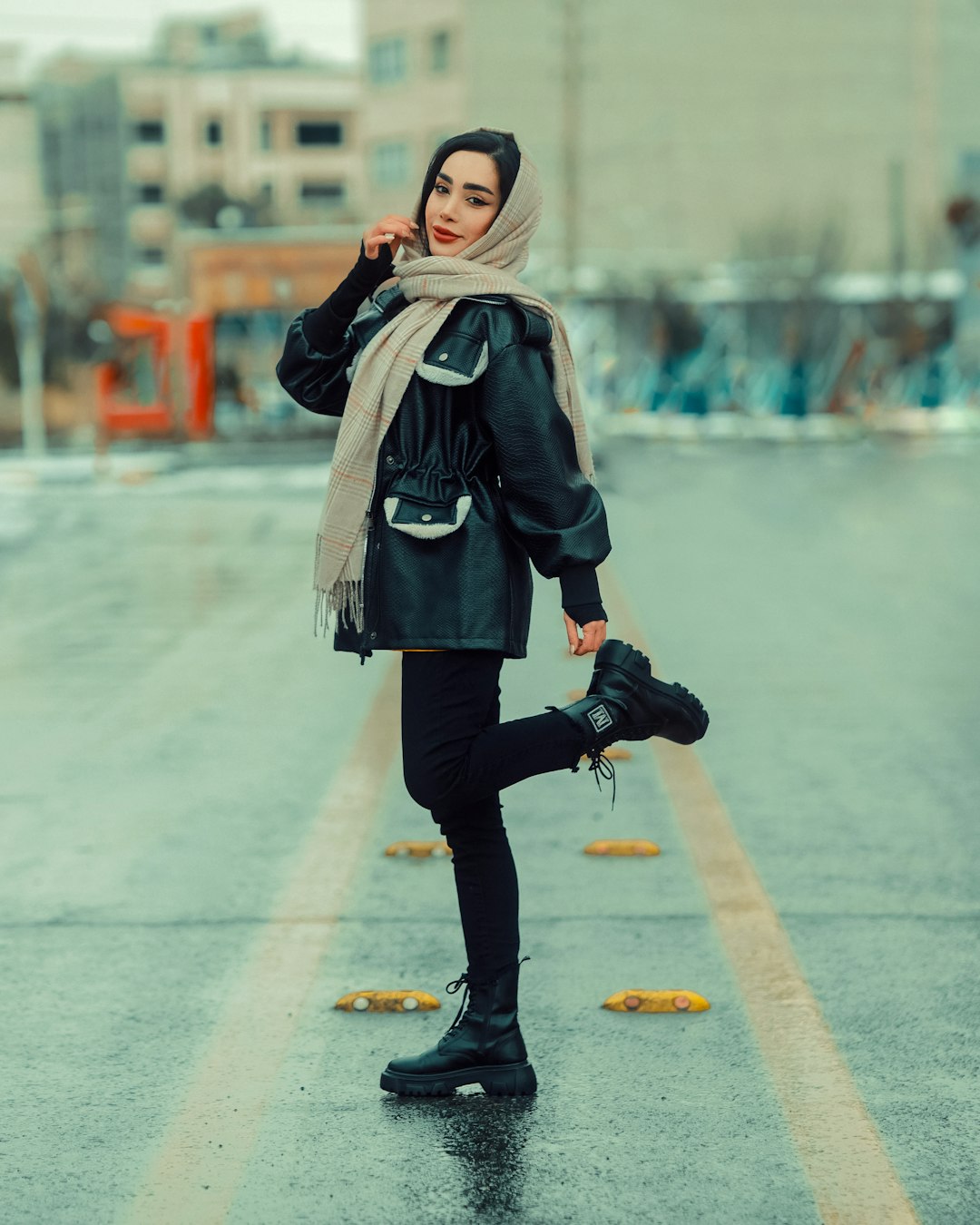
Conclusion: Beyond Accessories—It’s About Identity
Dress To Impress on Instagram isn’t just about garments and filters—it’s a megaphone for digital-era self-expression. The movement has democratized style; you don’t need a Vogue feature to be considered influential. Instead, all you need is taste, creativity, and a willingness to dress like you’ve already arrived at your dream future.
With fashion bleeding into every digital corner of our lives—gaming skins, AR filters, virtual try-ons—the lines between expression and impression are thinner than ever. And in this brave new world, DTI is leading the charge toward a more vivid and audacious digital identity.
