
Modern energy systems are becoming more decentralized, digital, and dynamic than ever before. As renewable energy sources, distributed assets, electric vehicles, and advanced metering infrastructure reshape the power landscape, utilities and energy operators face an urgent challenge: how to manage increasing complexity while maintaining reliability and efficiency. Smart grid management software has emerged as the backbone of this transformation, enabling real-time visibility, automation, and intelligent decision-making across entire energy networks.
TLDR: Smart grid management software helps utilities and energy providers monitor, control, and optimize modern power systems in real time. It integrates renewable energy, distributed resources, storage, and demand response into a single intelligent platform. With advanced analytics, automation, and predictive tools, it improves reliability, efficiency, and sustainability. As grids become more complex, this software is essential for managing modern energy systems effectively.
Traditional grid systems were built for one-directional energy flow—from centralized power plants to consumers. Today’s grid is fundamentally different. Solar panels on rooftops, battery storage systems, wind farms, microgrids, and electric vehicles all feed energy back into the system. Managing this bi-directional, distributed infrastructure requires specialized technology that can process vast amounts of data and respond in real time.
What Is Smart Grid Management Software?
Smart grid management software is an integrated digital platform designed to monitor, analyze, and control modern electrical networks. It connects field devices, sensors, substations, distributed energy resources (DERs), and control centers into one intelligent ecosystem.
Core capabilities typically include:
- Real-time grid monitoring
- Outage detection and restoration management
- Demand response coordination
- Renewable energy forecasting
- Asset performance management
- Load balancing and optimization
- Cybersecurity monitoring
Together, these functionalities give operators a holistic, data-driven view of the grid and the ability to act with precision.
Why Modern Energy Systems Need Intelligent Management
Energy systems are evolving for several reasons:
- Decarbonization goals are pushing renewable integration.
- Electrification is increasing demand across sectors.
- Distributed energy resources are decentralizing production.
- Extreme weather is stressing resilience requirements.
Without advanced management tools, utilities would struggle to maintain voltage stability, frequency regulation, and service reliability. Smart grid software addresses these issues through automation and predictive analytics.

In modern control rooms, operators no longer rely solely on static reports. Instead, they work with dynamic dashboards, AI-powered alerts, and predictive modeling tools that anticipate grid imbalances before they escalate into outages.
Key Components of Smart Grid Management Software
1. Advanced Distribution Management System (ADMS)
An ADMS integrates outage management, distribution management, and supervisory control and data acquisition (SCADA) systems. It enables:
- Automated fault detection and isolation
- Self-healing grid functionality
- Voltage and reactive power optimization
This integration reduces downtime and improves customer satisfaction.
2. Distributed Energy Resource Management System (DERMS)
As solar panels, wind turbines, and battery systems proliferate, DERMS platforms become critical. They:
- Monitor distributed generation assets
- Balance supply and demand locally
- Aggregate small-scale resources for grid services
DERMS plays a central role in enabling virtual power plants and peer-to-peer energy trading systems.
3. Advanced Metering Infrastructure (AMI) Integration
Smart meters generate continuous data about usage, power quality, and demand patterns. Smart grid software aggregates and analyzes this data to:
- Improve billing accuracy
- Identify outages instantly
- Support real-time demand response programs
4. Predictive Analytics and AI
AI-driven algorithms forecast energy demand, renewable generation, and asset failures. These capabilities allow grid operators to act proactively instead of reactively.
Image not found in postmetaFor instance, by analyzing weather patterns and historical output data, the system can predict dips in solar production and compensate with battery discharge or alternative generation sources.
Benefits of Smart Grid Management Software
Improved Grid Reliability
Automated fault detection and self-healing capabilities shorten outage duration. Advanced analytics help forecast equipment failures before they happen, reducing unplanned downtime.
Enhanced Energy Efficiency
Optimized load balancing reduces transmission losses and minimizes waste. Real-time monitoring ensures energy flows are directed where they are most needed.
Better Renewable Integration
Intermittent resources like solar and wind require constant coordination. Smart grid platforms adjust generation and storage dynamically to stabilize the network.
Cost Savings
Automation lowers operational expenses, reduces manual interventions, and improves workforce efficiency. Long-term infrastructure investments can also be better planned using accurate forecasting models.
Increased Consumer Engagement
Customers gain visibility into their energy usage through portals and mobile apps powered by grid software. This transparency encourages conservation and participation in demand response programs.
Cybersecurity in Smart Grid Systems
As connectivity increases, so does cyber risk. Smart grid management software must incorporate robust cybersecurity frameworks including:
- End-to-end encryption
- Identity and access management
- Real-time intrusion detection
- Secure firmware updates
Modern platforms use anomaly detection algorithms to identify unusual behavior patterns that may indicate attempted breaches. Protecting critical infrastructure is not optional—it is foundational.
The Role of Automation and Self-Healing Grids
One of the most transformative aspects of smart grid software is automation. In traditional grids, outages often require manual investigation and repair coordination. In intelligent grids:
- Sensors detect anomalies immediately.
- The system isolates faulty sections automatically.
- Power is rerouted within seconds.
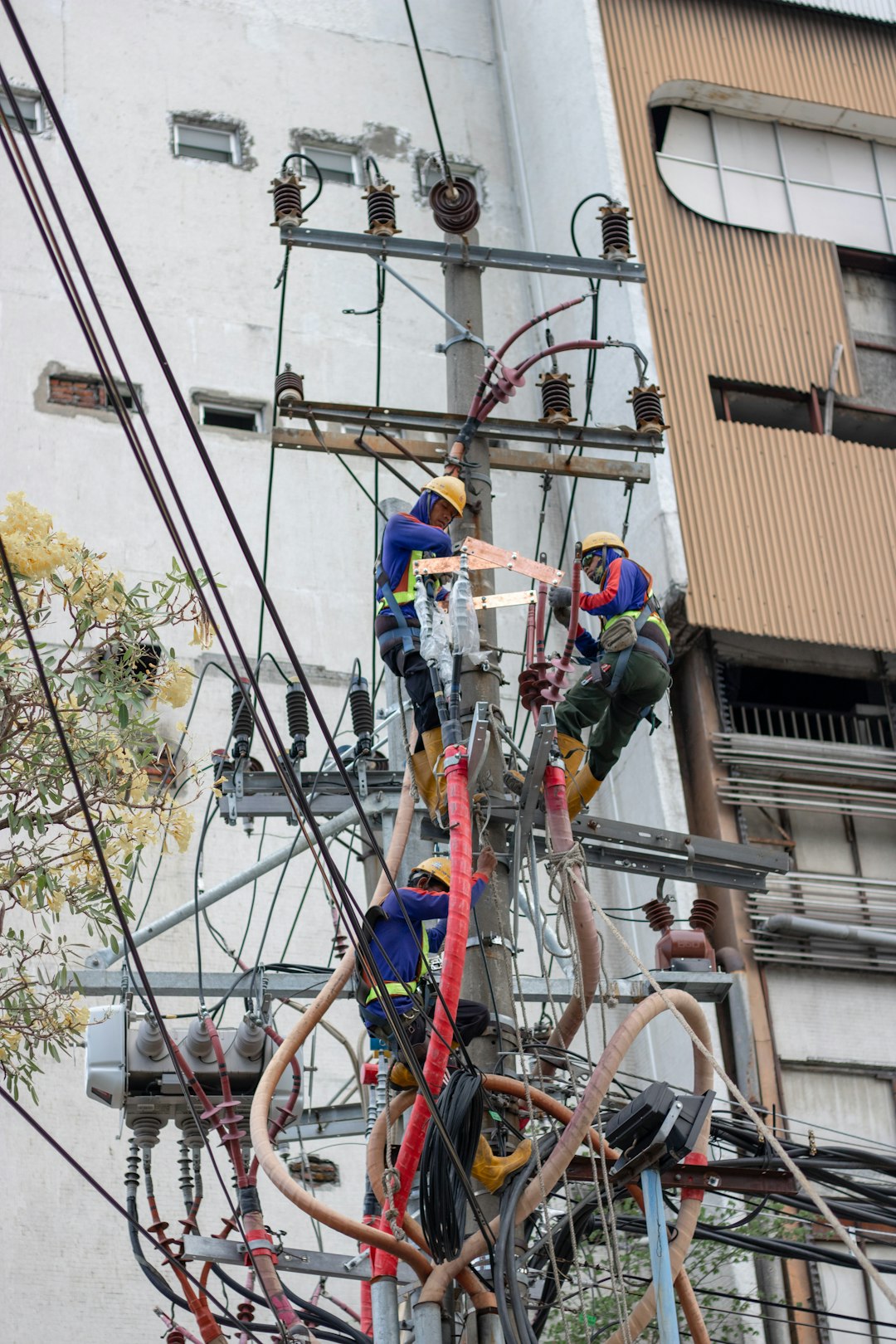
This “self-healing” functionality significantly reduces customer impact and elevates grid resilience during storms or equipment failures.
Integration with Electric Vehicles and Storage
The rapid growth of electric vehicles (EVs) presents both challenges and opportunities. Charging stations create new demand spikes, but EV batteries can also serve as energy storage assets through vehicle-to-grid (V2G) systems.
Smart grid software coordinates:
- Optimal EV charging schedules
- Peak demand reduction strategies
- Battery storage dispatch
By synchronizing these elements, operators can prevent grid congestion and maximize renewable utilization.
Data-Driven Decision Making
Modern platforms rely heavily on big data. Millions of data points—from smart meters to weather systems—feed into centralized analytics engines. Decision-makers can access:
- Performance dashboards
- Forecast trend analysis
- Asset health reports
- Risk assessment simulations
This data-centric approach enables strategic planning, from infrastructure upgrades to renewable expansion initiatives.
Challenges in Implementing Smart Grid Software
Despite its benefits, deployment is not without obstacles:
- High initial investment costs
- Legacy system integration complexity
- Workforce training requirements
- Regulatory compliance challenges
Successful implementation requires strong project management, stakeholder collaboration, and long-term strategic vision.
The Future of Smart Grid Management
As artificial intelligence evolves and edge computing becomes more widespread, smart grid systems will grow even more autonomous. Future trends include:
- Real-time edge analytics
- Blockchain-based energy transactions
- Advanced digital twins of grid infrastructure
- Greater interoperability standards
The grid of the future will likely operate as a highly adaptive, decentralized network where millions of energy assets interact seamlessly. Smart management software will remain the intelligence layer that makes this ecosystem possible.
Conclusion
Smart grid management software is no longer a luxury—it is a necessity for managing modern energy systems. As renewable energy adoption increases, demand patterns shift, and infrastructure becomes more complex, utilities must embrace digital transformation to remain reliable and competitive. Through real-time monitoring, automation, predictive analytics, and cybersecurity integration, these platforms empower operators to create resilient, efficient, and sustainable energy networks.
The transition toward smarter grids represents not only technological innovation but also a foundational shift in how energy is produced, distributed, and consumed worldwide.
Frequently Asked Questions (FAQ)
1. What is the primary purpose of smart grid management software?
Its primary purpose is to monitor, control, and optimize modern electrical grids in real time, improving reliability, efficiency, and integration of renewable and distributed energy resources.
2. How does smart grid software support renewable energy integration?
It uses forecasting models, demand response tools, and automated controls to balance intermittent renewable generation with consumption and storage resources.
3. Can smart grid systems prevent power outages?
While they cannot prevent all outages, they significantly reduce outage duration through automated fault detection, isolation, and self-healing capabilities.
4. Is smart grid software secure?
Modern systems incorporate strong cybersecurity measures such as encryption, multi-factor authentication, and real-time intrusion detection to protect critical infrastructure.
5. Who uses smart grid management software?
Electric utilities, energy providers, microgrid operators, municipalities, and large industrial facilities use it to manage complex energy systems effectively.
6. How does it benefit consumers?
Consumers benefit from improved reliability, faster outage restoration, better billing accuracy, and tools that promote energy efficiency and cost savings.
