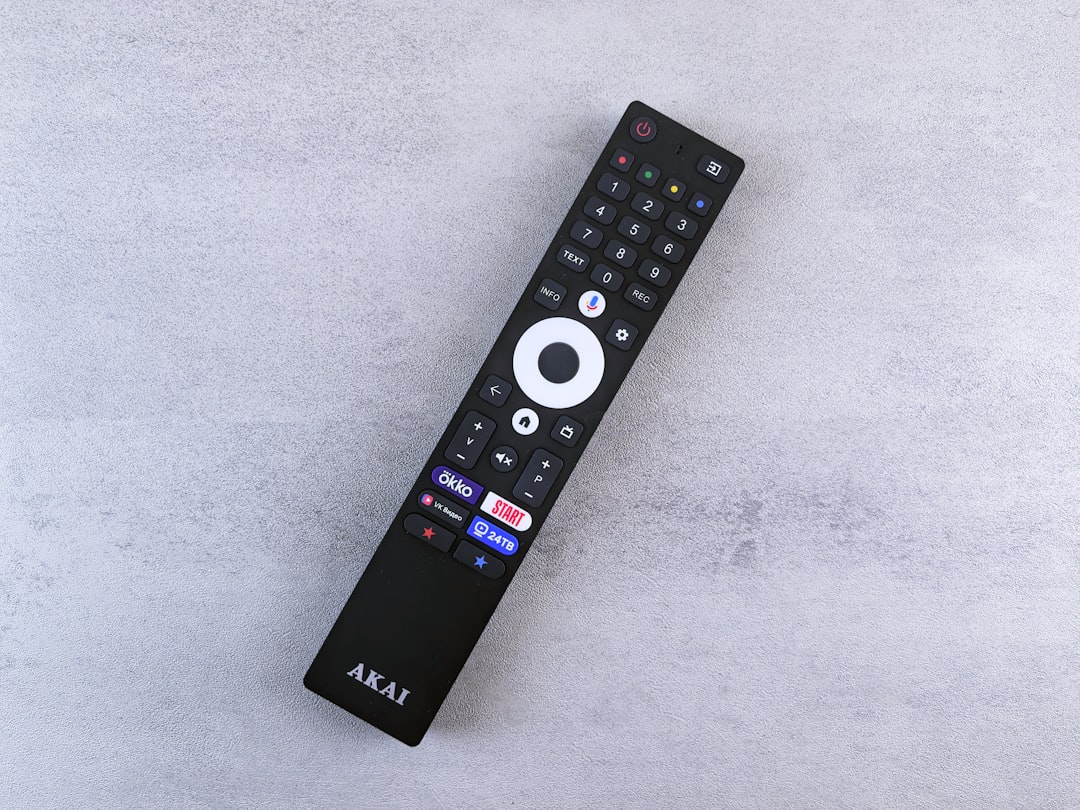
The demand for high-quality video-on-demand (VOD) apps has exploded in recent years. Viewers no longer settle for watching content on just one screen — they expect seamless access across Android TV, iOS devices, and mobile apps, complete with modern essentials like watchlists and offline downloads. For media entrepreneurs, content creators, and streaming startups, choosing the right VOD app builder can make or break the audience experience.
TLDR: If you’re launching a VOD service that needs to support Android TV and iOS while offering watchlist and download features, a few platforms stand out. Uscreen, Cleeng (via integrations), and VidApp provide strong multi-platform functionality, scalable infrastructure, and monetization tools. The best choice depends on whether you prioritize ease of use, advanced customization, or enterprise-level flexibility. Below, we break down the strengths, weaknesses, and ideal use cases for each.
Before diving into the tools, let’s clarify what truly matters when building a cross-platform VOD app.
What to Look for in a VOD App Builder
A modern streaming audience expects more than just play and pause. The right platform should include:
- Native Android TV app support (not just casting)
- iOS mobile app compatibility
- Watchlist functionality (save for later)
- Offline download support
- Subscription and monetization tools
- Reliable content delivery infrastructure
- User analytics and engagement tracking
Additionally, a strong UI/UX experience across devices is crucial. Android TV interfaces need remote-friendly navigation, while iOS apps must feel intuitive and fast.
Now let’s explore three VOD app builders that deliver across these requirements.
1. Uscreen – All-in-One OTT Platform with Native App Support
Best for: Creators, educators, fitness brands, and mid-sized streaming businesses looking for a turnkey solution.
Uscreen is widely recognized as one of the most robust OTT platforms for launching subscription-based video businesses. It provides native mobile apps for iOS and Android, as well as Android TV apps, allowing your audience to stream on big screens without relying on third-party workarounds.
Key Features
- Native Android TV app support
- iOS mobile app with offline download capability
- Built-in watchlist functionality
- Subscription, rental, and bundle monetization options
- Live streaming support
- Advanced analytics dashboard
The watchlist feature allows users to save content across devices, syncing seamlessly between TV and mobile. The offline download feature works particularly well in the iOS app, making it attractive for users who travel or commute frequently.
Strengths
Ease of use is one of Uscreen’s biggest advantages. You don’t need a development team to launch. The platform also handles hosting, payments, and app updates, reducing operational complexity.
Limitations
Customization options are somewhat templated. While branding is strong, businesses seeking highly unique user experiences may find it slightly restrictive.
2. Cleeng (with OTT Integrations) – Flexible Monetization + App Ecosystem
Best for: Streaming services and media companies focused on subscription management and advanced monetization.
Cleeng is not a traditional app builder in the same way as Uscreen or VidApp. Instead, it focuses on subscriber management, billing, retention, and entitlement systems. However, when integrated with OTT app development partners, it supports Android TV and iOS ecosystems effectively.

Key Features
- Advanced subscription lifecycle management
- Coupon and promotional systems
- Churn reduction tools
- Integration with Android TV and iOS apps
- Watchlist and profile management through partner apps
The watchlist and download features depend on the OTT frontend partner you choose. Many developers integrating Cleeng build apps that support cross-device syncing and offline viewing for iOS users.
Strengths
Cleeng shines in enterprise-level scalability. Its advanced analytics and retention tools make it ideal for businesses focused on growing subscriber lifetime value (LTV).
Limitations
It requires additional development partnerships, meaning setup is more complex and often more expensive than turnkey solutions.
3. VidApp – Customizable Apps for Multi-Platform Growth
Best for: Brands that want a balance between customization and structured support.
VidApp offers branded apps across Android TV, iOS, Roku, Fire TV, and more. It is particularly popular among influencers, faith-based networks, and niche content communities.
Key Features
- Fully branded Android TV apps
- iOS app with offline video downloads
- Cross-device watchlist syncing
- Push notifications
- Subscription and in-app purchase support
- Community engagement features
Its watchlist feature integrates smoothly with user accounts, ensuring that saved content appears on mobile and TV interfaces alike. Offline viewing on iOS is built directly into their app framework and tends to perform reliably.
Strengths
VidApp provides more design flexibility than many template-based platforms. Businesses that want a more distinct visual identity without fully custom coding often prefer this middle-ground option.
Limitations
Pricing can scale upward as features expand, and some advanced customizations may require additional support packages.
Comparison Chart
| Feature | Uscreen | Cleeng + Partner Apps | VidApp |
|---|---|---|---|
| Native Android TV App | Yes | Via Integration | Yes |
| iOS App Support | Yes | Yes (with partner) | Yes |
| Watchlist Feature | Built-In | Partner Dependent | Built-In |
| Offline Downloads (iOS) | Yes | Partner Dependent | Yes |
| Ease of Launch | Very Easy | Moderate to Complex | Moderate |
| Best For | Creators & SMB OTT | Enterprise Streaming | Branded Content Communities |
Why Watchlist & Download Features Matter
Streaming success today is about engagement. Watchlists encourage future viewing. Offline downloads increase session completion rates. Together, they strengthen retention, which is critical in subscription-based models.

Consider these behavioral insights:
- Users with active watchlists return more frequently.
- Offline downloads reduce churn among commuters and travelers.
- Cross-device syncing increases platform stickiness.
- TV app availability increases perceived brand legitimacy.
Android TV access in particular expands your reach into living rooms — where high-engagement viewing happens.
Choosing the Right Platform for Your VOD Business
The best solution depends heavily on your goals:
- If you want fast deployment with minimal technical complexity, Uscreen is likely your best bet.
- If you operate at enterprise scale and need advanced subscription intelligence, Cleeng with custom app partnerships may be more suitable.
- If branding and moderate flexibility matter most without going fully custom, VidApp strikes a strong balance.
Budget, technical resources, and long-term scalability should guide your final decision.
Final Thoughts
Launching a VOD app that supports Android TV, iOS watchlists, and offline downloads is no longer optional — it’s expected. Audiences demand convenience, flexibility, and polished multi-device experiences.
The platforms highlighted above represent three distinct approaches: turnkey simplicity, enterprise integration, and customizable middle ground. Each supports modern viewer expectations while giving content businesses tools to monetize and grow.
As streaming competition intensifies in 2026 and beyond, the winners will be brands that prioritize seamless viewing experiences across every screen. Whether you’re launching a niche fitness channel, a faith-based network, or a premium media subscription service, choosing the right VOD app builder is your first critical step toward long-term streaming success.
