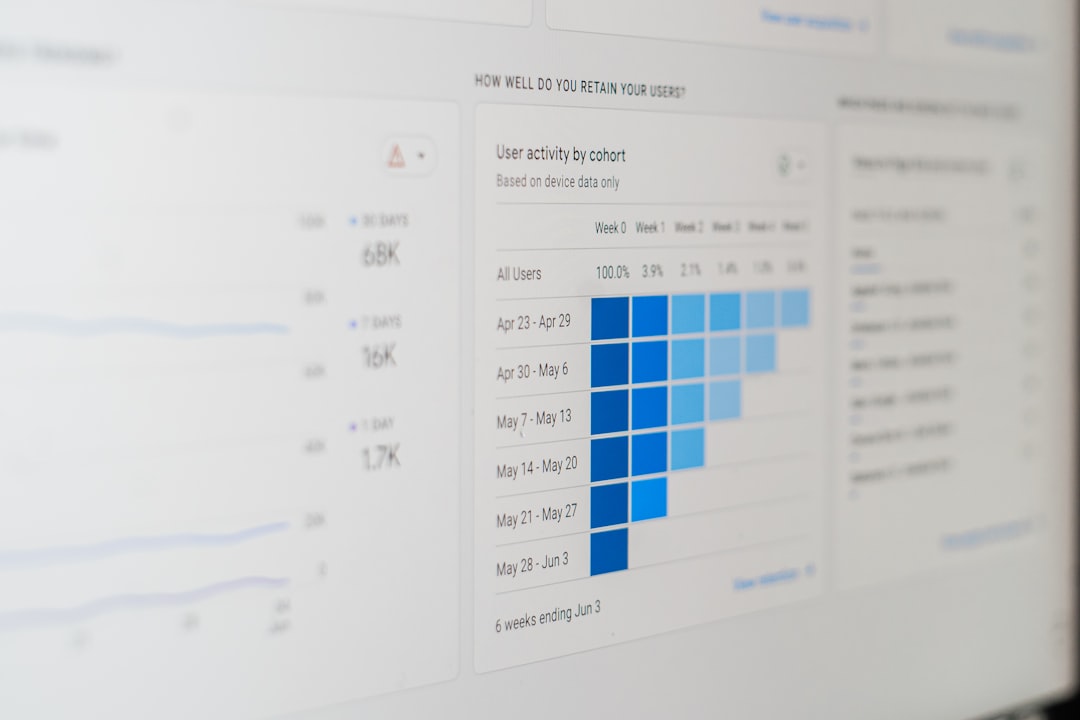
Digital twins have moved from experimental innovation to practical necessity in modern product and system design. By creating dynamic virtual replicas of physical assets, organizations can simulate performance, detect issues early, optimize operations, and predict failures before they occur. From manufacturing plants to smart cities, digital twin platforms allow engineers, designers, and decision-makers to model “what-if” scenarios with unprecedented precision and confidence.
TLDR: Digital twin platforms create virtual representations of physical products and systems to improve design, performance, and decision-making. Leading platforms such as Siemens Teamcenter, Dassault Systèmes 3DEXPERIENCE, and Microsoft Azure Digital Twins enable advanced simulation, predictive analytics, and real-time monitoring. Choosing the right solution depends on industry focus, scalability needs, and integration capabilities. Organizations leveraging digital twins reduce development costs, enhance quality, and accelerate innovation.
Below are seven leading digital twin platforms that help organizations improve product and system design across multiple industries.
1. Siemens Teamcenter & Tecnomatix
Siemens offers a comprehensive digital twin ecosystem combining Product Lifecycle Management (PLM) with simulation and manufacturing optimization tools. Teamcenter manages product data, while Tecnomatix enables process simulation and optimization.
- Real-time production simulation
- Integrated PLM environment
- Advanced manufacturing process modeling
- IoT integration with MindSphere
This platform is especially valuable for automotive, aerospace, and industrial equipment manufacturers that require full lifecycle visibility. It allows engineers to test factory layouts, equipment flows, and robotic operations before physical deployment.
Image not found in postmeta2. Dassault Systèmes 3DEXPERIENCE
The 3DEXPERIENCE platform integrates design, simulation, and lifecycle management into a unified collaborative environment. Powered by CATIA, SIMULIA, and DELMIA applications, it enables highly detailed product and system digital twins.
- Physics-based simulation
- Collaborative cloud platform
- Advanced 3D modeling tools
- Industry-specific solutions
This solution excels in complex engineering environments where cross-disciplinary collaboration is essential. Aerospace companies, for instance, use it to simulate aerodynamics, materials performance, and structural integrity long before building prototypes.
3. PTC ThingWorx
PTC ThingWorx combines IoT connectivity with augmented reality and advanced analytics to build contextual digital twins. It helps bridge the gap between physical assets and digital insights.
- Robust IoT connectivity
- Augmented reality integration
- Predictive maintenance tools
- Rapid application development
ThingWorx is particularly powerful in manufacturing and field service industries, where real-time data from connected devices feeds into dynamic twin models. Engineers can monitor equipment health and make data-driven improvements in system design.
4. Microsoft Azure Digital Twins
Azure Digital Twins provides a flexible platform for modeling entire environments—including buildings, factories, and cities. Built on Azure cloud infrastructure, it supports scalable, enterprise-grade digital twin solutions.
- Scalable cloud architecture
- Strong analytics and AI integration
- Open modeling language (DTDL)
- Seamless integration with Azure IoT services
Rather than focusing solely on product design, Azure Digital Twins is well-suited for complex systems such as energy grids, smart buildings, and transportation networks.

5. ANSYS Twin Builder
ANSYS is known for its high-fidelity simulation capabilities, and Twin Builder allows organizations to create hybrid digital twins that combine physics-based modeling with real-world sensor data.
- High-accuracy engineering simulation
- Integration with existing ANSYS tools
- Predictive analytics support
- Scalable deployment options
This platform is particularly effective for industries requiring detailed physics modeling, such as automotive testing, energy production, and electronics development. It helps reduce reliance on costly physical prototypes.
6. IBM Maximo Application Suite
IBM Maximo integrates asset management with digital twins, AI-driven analytics, and predictive maintenance capabilities. While primarily focused on asset-intensive industries, it significantly enhances system-level design insights.
- AI-powered condition monitoring
- Integrated asset lifecycle management
- Cloud and on-premise deployment
- Advanced reporting and analytics
Organizations in utilities, transportation, and oil and gas sectors use Maximo to design more resilient systems by analyzing operational data and identifying performance bottlenecks.
7. Bentley Systems iTwin Platform
Bentley’s iTwin platform specializes in infrastructure digital twins. It enables engineers to model roads, bridges, railways, and utility systems within dynamic, data-rich environments.
- Infrastructure-focused twin modeling
- Reality modeling integration
- Cloud-based collaboration
- Support for large-scale projects
Infrastructure stakeholders leverage iTwin technology to optimize lifecycle costs, improve structural performance, and simulate load behavior under different environmental conditions.
Platform Comparison Chart
| Platform | Primary Focus | Cloud Support | Best For | Key Strength |
|---|---|---|---|---|
| Siemens Teamcenter | Manufacturing & PLM | Yes | Industrial production | End to end lifecycle management |
| Dassault 3DEXPERIENCE | Product design & simulation | Yes | Complex engineering industries | Integrated 3D modeling |
| PTC ThingWorx | IoT driven twins | Yes | Connected products | Strong IoT integration |
| Microsoft Azure Digital Twins | System & environment modeling | Yes | Smart systems | Cloud scalability |
| ANSYS Twin Builder | Physics based modeling | Limited | Engineering simulations | High accuracy physics engine |
| IBM Maximo | Asset management | Yes | Asset intensive sectors | AI driven insights |
| Bentley iTwin | Infrastructure | Yes | Civil engineering | Infrastructure lifecycle modeling |
How Digital Twin Platforms Improve Design
These platforms provide several shared advantages that enhance both product and system design:
- Early detection of design flaws: Simulation identifies structural or performance weaknesses before prototyping.
- Faster iteration cycles: Virtual testing reduces the need for physical models.
- Cross-disciplinary collaboration: Cloud-based tools unify mechanical, electrical, and software teams.
- Predictive insights: Real-time data feeds allow continuous model refinement.
- Cost reduction: Fewer late-stage design changes mean lower development expenses.
Ultimately, digital twins provide a living model that evolves alongside the real-world asset, helping companies shift from reactive to proactive decision-making.
Choosing the Right Platform
Selecting the ideal solution depends on several factors:
- Industry requirements – Manufacturing, infrastructure, and utilities have distinct needs.
- Scalability – Cloud-native platforms offer greater flexibility for expanding operations.
- Integration capabilities – Compatibility with CAD, ERP, and IoT systems is critical.
- Simulation depth – Physics-based modeling may be essential in engineering-heavy environments.
- Budget and licensing structure – Enterprise solutions vary significantly in cost.
Organizations often begin with pilot projects, gradually expanding adoption once value is demonstrated.
Frequently Asked Questions (FAQ)
1. What is a digital twin platform?
A digital twin platform is software that creates a virtual model of a physical product, asset, or system. It integrates real-world data, simulation tools, and analytics to support monitoring and optimization.
2. How do digital twins improve product design?
They allow engineers to simulate performance, test edge cases, and evaluate “what-if” scenarios before physical prototypes are built, reducing cost and risk.
3. Are digital twins only for manufacturing?
No. They are widely used in infrastructure, healthcare, smart cities, utilities, energy, and transportation sectors.
4. What technologies power digital twin platforms?
Digital twins rely on IoT sensors, cloud computing, artificial intelligence, machine learning, and advanced simulation engines.
5. Is cloud deployment necessary?
While not mandatory, cloud deployment offers scalability, remote access, and stronger integration with analytics tools.
6. How long does it take to implement a digital twin?
Implementation timelines vary. Small projects may take months, while enterprise-wide integration can take a year or more.
7. What is the difference between simulation and a digital twin?
Traditional simulation is static and model-based, while a digital twin continuously integrates live data from the physical asset, allowing it to evolve in real time.
As organizations push for smarter, faster, and more resilient design processes, digital twin platforms are becoming foundational tools. By bridging the physical and digital worlds, they transform how products and systems are conceptualized, tested, and optimized—ultimately delivering higher performance and long-term value.
