Influencer marketing has evolved from a trendy experiment into a core growth strategy for brands across nearly every industry. As budgets increase and campaigns grow more complex, marketers face one pressing question: how do you clearly track return on investment (ROI)? Likes and comments are no longer enough. Today’s teams need accurate data, revenue attribution, and performance insights they can present confidently to stakeholders.
TLDR: Influencer marketing software helps brands track campaign ROI by connecting influencer activity to measurable outcomes such as clicks, conversions, and revenue. The best platforms offer real-time analytics, customizable tracking links, automated reporting, and integration with ecommerce or CRM systems. With the right tool, marketers can move beyond vanity metrics and make data-driven decisions that scale profitable campaigns.
In this guide, we’ll explore how influencer marketing software makes ROI tracking clear and actionable, the key features to look for, and a comparison of leading tools that help brands maximize impact.
Why Tracking Influencer ROI Is So Challenging
Influencer marketing doesn’t operate in a vacuum. Customers often interact with multiple touchpoints before making a purchase: social media posts, blog reviews, paid ads, email campaigns, and more. Without dedicated tracking systems, it becomes difficult to determine:
- Which influencer generated the sale?
- Which content format performed best?
- What was the actual cost per acquisition?
- Which partnerships should be renewed?
Traditional social analytics focus on surface-level engagement. But real ROI tracking requires deeper attribution models, platform integrations, and revenue mapping tools—exactly what modern influencer marketing software provides.
What Influencer Marketing Software Does
At its core, influencer marketing software centralizes campaign management and analytics. Instead of juggling spreadsheets, manual tracking links, and scattered reports, brands gain a unified dashboard that connects influencer performance directly to business outcomes.

Most platforms include the following capabilities:
- Influencer discovery databases with audience insights
- Campaign management workflows
- Trackable links and discount codes
- Automated performance reporting
- Revenue and conversion attribution tracking
The true value lies in their ability to connect influencer activities to measurable financial outcomes—not just engagement numbers.
Key Features That Help You Track ROI Clearly
1. Unique Tracking Links and UTM Parameters
Custom tracking links allow brands to monitor clicks, conversions, and user behavior from specific influencers. UTM parameters identify traffic sources in tools like Google Analytics, making it easier to attribute website activity correctly.
This means you can answer precise questions, such as:
- How many users visited our product page from Influencer A?
- What was their average order value?
- How many converted within 7 days?
2. Promo Code Attribution
Personalized discount codes remain one of the simplest yet most effective ROI tracking methods. Software platforms automatically calculate redemptions, total revenue generated, and commission payouts tied to each influencer.
3. Ecommerce and CRM Integrations
Integration is where serious ROI tracking happens. When influencer software connects directly with platforms like Shopify, WooCommerce, or Salesforce, it can track:
- Revenue per influencer
- Customer lifetime value
- Repeat purchase rates
- Lead funnel progression
Instead of guessing impact, you see real financial data in one place.
4. Automated Reporting Dashboards
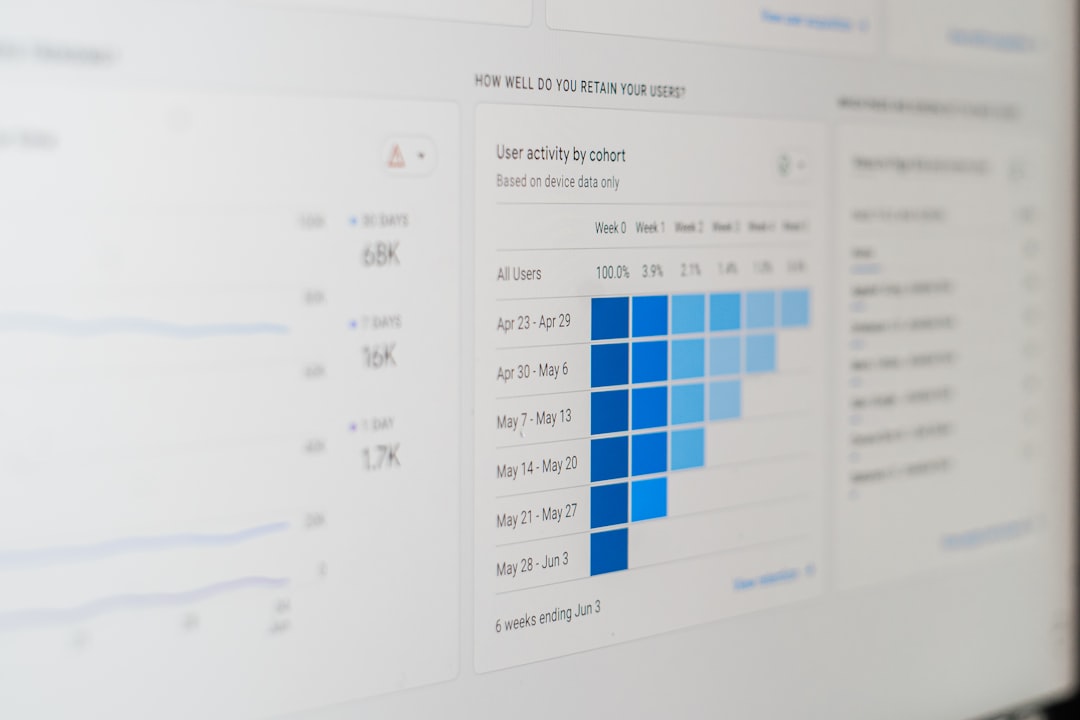
Manually pulling reports wastes time and increases error risk. Automated dashboards display metrics like cost per engagement, cost per acquisition, and return on ad spend in real time.
This transparency enables faster decision-making, especially during live campaigns.
5 Influencer Marketing Platforms That Excel at ROI Tracking
Below are five widely used influencer marketing platforms known for strong ROI measurement capabilities.
1. Upfluence
Upfluence combines influencer discovery with ecommerce integration. Its direct Shopify and WooCommerce connections allow brands to automatically track influencer-generated sales and customer data.
Strengths:
- Real-time revenue attribution
- Automated affiliate link generation
- Integrated email outreach
2. Aspire
Aspire focuses heavily on relationship management and ROI transparency. The platform enables flexible payout models tied to performance metrics.
Strengths:
- Conversion tracking
- Content approval workflows
- Detailed campaign analytics
3. CreatorIQ
Designed for enterprise brands, CreatorIQ offers advanced data integrations and customizable reporting features suitable for large-scale campaigns.
Strengths:
- API-based data integrations
- Brand-safe measurement tools
- Multi-channel attribution tracking
4. Traackr
Traackr emphasizes performance benchmarking and influencer relationship tracking. Its ROI measurement tools provide visibility across long-term partnerships.
Strengths:
- Spend tracking dashboards
- Performance comparisons
- Competitive intelligence analytics
5. GRIN
GRIN integrates directly with ecommerce platforms and offers detailed sales tracking tools, making it especially popular among direct-to-consumer brands.
Strengths:
- Customer data attribution
- Affiliate management tools
- Lifecycle performance reporting
Comparison Chart
| Platform | Ecommerce Integration | Revenue Attribution | Automated Reporting | Best For |
|---|---|---|---|---|
| Upfluence | Strong | Advanced | Yes | Ecommerce brands |
| Aspire | Moderate | Strong | Yes | Growing startups |
| CreatorIQ | Enterprise-level | Advanced | Highly customizable | Large corporations |
| Traackr | Moderate | Strong benchmarking | Yes | Long-term programs |
| GRIN | Very strong | Detailed sales tracking | Yes | DTC brands |
How Clear ROI Tracking Changes Strategy
When brands gain precise ROI data, their influencer strategy shifts dramatically. Instead of selecting influencers based solely on follower count, they evaluate:
- Cost per acquisition
- Revenue per post
- Audience conversion rates
- Long-term partnership value
This often leads to an important discovery: micro-influencers with smaller but highly engaged audiences sometimes outperform larger creators in revenue efficiency.

With comprehensive data, brands can confidently:
- Reallocate budgets to high-performing creators
- Negotiate performance-based compensation
- Scale campaigns across similar audience segments
- Eliminate underperforming partnerships
Common ROI Metrics to Monitor
To measure success clearly, track these essential indicators:
- Engagement rate – Quality of audience interaction
- Click-through rate (CTR) – Traffic effectiveness
- Conversion rate – Percentage of visitors who take action
- Cost per acquisition (CPA) – Cost to gain a customer
- Return on ad spend (ROAS) – Revenue per dollar spent
- Customer lifetime value (CLV) – Long-term revenue potential
When analyzed together, these metrics tell a complete profitability story—not just a popularity snapshot.
Choosing the Right Software for Your Business
The best influencer marketing software depends on your company size, campaign complexity, and integration needs. Consider:
- Do you need direct ecommerce integration?
- Are you managing dozens or thousands of creators?
- Do you require enterprise-grade reporting customization?
- Is affiliate management part of your strategy?
Small teams may benefit from intuitive dashboards and built-in outreach tools, while large enterprises often prioritize API flexibility and advanced attribution modeling.
The Future of Influencer ROI Measurement
As privacy regulations reshape digital marketing, influencer software is adapting with first-party data tracking and predictive analytics. AI-driven insights are beginning to forecast campaign outcomes before launch, helping brands estimate revenue impact in advance.
We’re also seeing increased use of:
- Machine learning attribution models
- Cross-platform performance tracking
- Automated commission optimization
- Fraud detection analytics
These innovations promise even more clarity in determining which partnerships truly drive profit.
Final Thoughts
Influencer marketing can be one of the most powerful growth channels available to modern brands—but only when performance is measurable. Influencer marketing software transforms scattered metrics into clear financial insights, allowing teams to prove ROI with confidence.
By leveraging tools that offer real revenue attribution, automated reporting, and deep integration capabilities, marketers can move beyond guesswork and build scalable, data-driven influencer programs. In a competitive digital landscape, clarity isn’t just helpful—it’s essential for sustainable growth.
