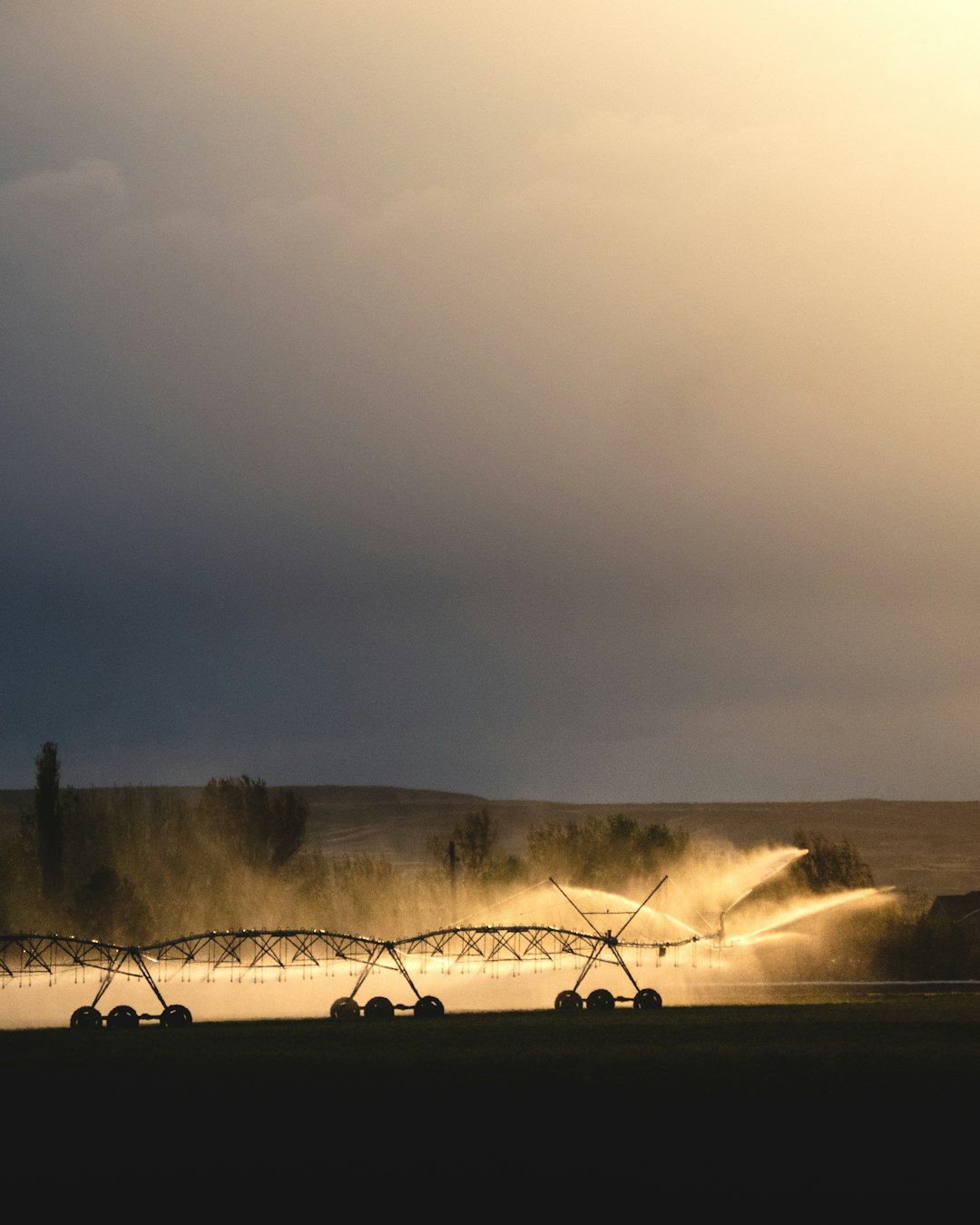
Farming is no longer just about tractors, rain, and good soil. It is also about data, satellites, smart sensors, and apps. Welcome to the world of precision agriculture. This modern approach helps farmers grow more food while using fewer resources. It saves time. It saves money. And it helps the planet, too.
TLDR: Precision agriculture uses smart tools like GPS tractors, drones, soil sensors, and farm software to help farmers work smarter. These tools collect data and turn it into simple actions, like where to plant, water, or fertilize. Farmers can reduce waste, boost yields, and make better decisions. The result is more efficiency with less guesswork.
What Is Precision Agriculture?
Precision agriculture means giving crops exactly what they need, when and where they need it. Not too much. Not too little.
In the past, farmers treated entire fields the same way. They spread the same amount of fertilizer everywhere. They watered everything evenly. But fields are not uniform. Soil changes. Moisture varies. Some areas grow better than others.
Precision tools help farmers see those differences. Then they act on them.
Think of it like using GPS in your car. Instead of guessing the route, you follow a precise map. Farming now works in a similar way.
Why Efficiency Matters
Farming costs are rising. Fuel is expensive. Fertilizer prices go up. Water can be limited. Labor is harder to find.
Efficiency is no longer optional. It is essential.
Precision agriculture helps farmers:
- Reduce input costs
- Increase crop yields
- Use water wisely
- Protect soil health
- Lower environmental impact
Now let’s explore the tools that make it all possible.
1. GPS-Guided Tractors
Modern tractors can drive themselves. Yes, really.
Using GPS technology, these machines follow exact paths across fields. They avoid overlap. They avoid gaps. Every pass is precise.
This leads to:
- Less fuel usage
- Less wasted seed
- Less operator fatigue
Even better, tractors can work at night or in low visibility. The GPS does not get tired.
Image not found in postmetaFarmers simply program the route. The tractor handles the rest.
2. Drones for Field Scouting
Walking through huge fields takes time. A lot of time.
Drones make it fast and easy.
These small flying machines capture images from above. They use special cameras to detect:
- Pest problems
- Disease outbreaks
- Dry areas
- Nutrient deficiencies
Some issues are invisible from the ground. But from the sky, patterns appear.
Farmers can respond quickly. Instead of spraying an entire field, they treat only the affected areas. This saves chemicals and money.
Drones turn guesswork into clear action.
3. Soil Sensors
Healthy soil is the foundation of good farming.
But how do you know what is happening underground?
Soil sensors measure:
- Moisture levels
- Temperature
- Nutrient content
- pH levels
These sensors sit in the field and send real-time data to a farmer’s smartphone or computer.
No more guessing when to irrigate. No more overwatering.
Image not found in postmetaIf one part of the field is dry, irrigation can target that zone only. This method is called variable rate irrigation.
The result? Healthier crops and lower water bills.
4. Variable Rate Technology (VRT)
This tool is a game changer.
Variable Rate Technology allows farmers to apply different amounts of inputs in different areas of a field.
For example:
- More fertilizer in nutrient-poor soil
- Less fertilizer in rich soil
- Different seeding rates depending on soil type
Special maps guide the equipment. These maps are created using data from soil tests, drones, and yield monitors.
VRT makes farming highly customized. It reduces waste and increases returns.
5. Yield Monitors
At harvest time, it is important to know what worked and what did not.
Yield monitors are devices installed on combines. They measure how much crop is being harvested in each part of the field.
This creates a yield map.
Farmers can see:
- High-performing zones
- Low-performing zones
Next season, they adjust their strategy. Maybe one area needs more nutrients. Maybe another area has drainage issues.
Over time, these small improvements add up to big gains.
6. Farm Management Software
All this data needs a home.
That is where farm management software comes in.
These platforms collect information from:
- Drones
- Sensors
- Tractors
- Weather stations
They turn raw numbers into simple dashboards.
Farmers can track expenses. Monitor crop health. Plan planting schedules. Analyze profits.
Everything is in one place.
Good software makes complex data easy to understand. It supports smarter business decisions.
7. Smart Irrigation Systems
Water is precious.
Smart irrigation systems use weather data and soil moisture readings to deliver the perfect amount of water.
If rain is coming, the system waits. If soil is dry, it responds.
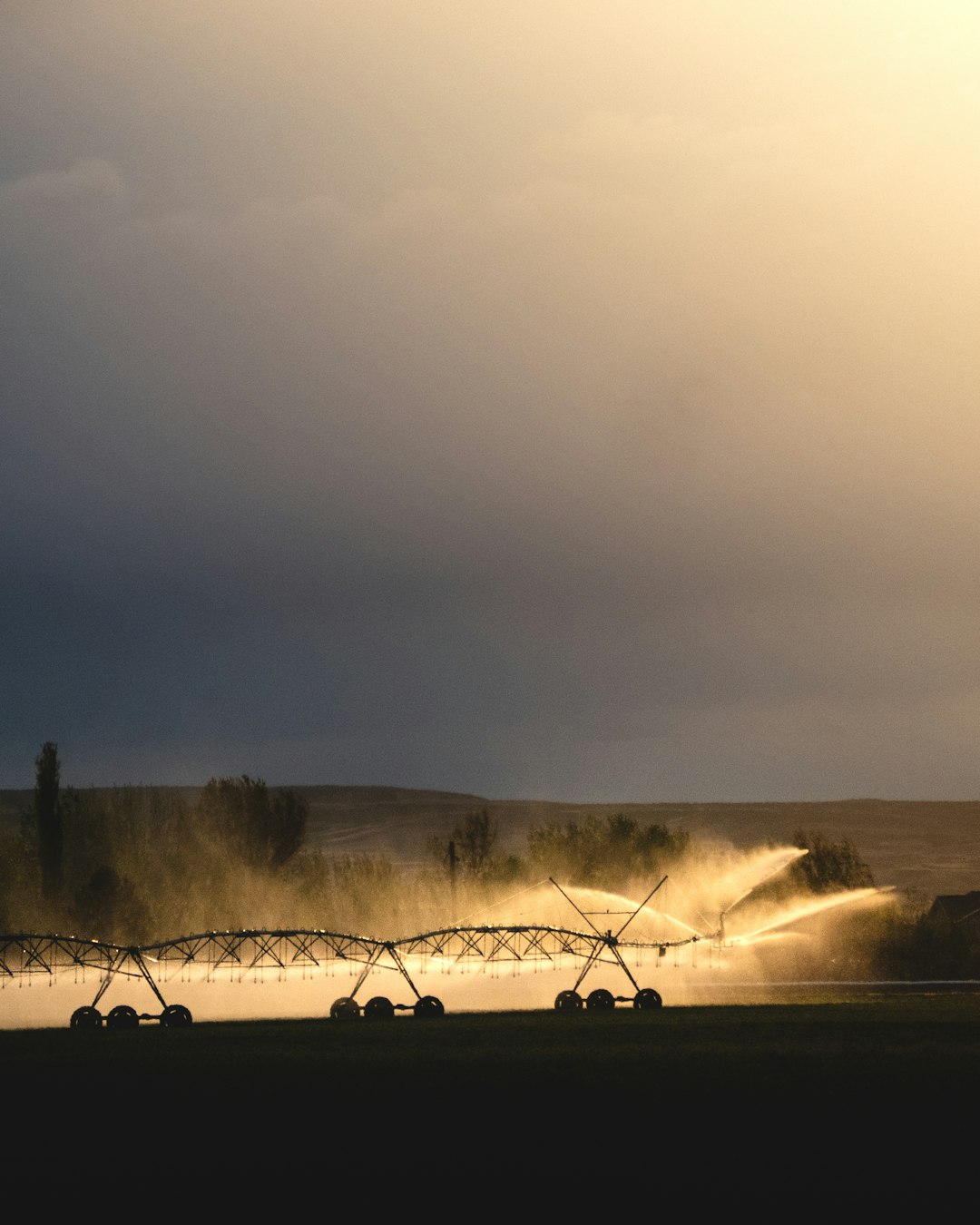
This reduces:
- Water waste
- Energy use
- Runoff pollution
And crops grow stronger with consistent moisture levels.
Comparison Chart of Precision Agriculture Tools
| Tool | Main Function | Key Benefit | Efficiency Impact |
|---|---|---|---|
| GPS Guided Tractors | Automated field navigation | Reduces overlap | Saves fuel and time |
| Drones | Aerial field monitoring | Spots issues early | Reduces chemical use |
| Soil Sensors | Measures soil conditions | Real time data | Optimizes irrigation |
| Variable Rate Technology | Adjusts input application | Customized treatment | Reduces waste |
| Yield Monitors | Tracks harvest results | Performance insights | Improves future planning |
| Farm Management Software | Data organization | Better decisions | Boosts profitability |
| Smart Irrigation | Automated watering | Water efficiency | Lowers costs |
How These Tools Work Together
The real power comes when tools connect.
For example:
- Drones detect a weak crop area.
- Soil sensors confirm low nitrogen levels.
- VRT equipment applies fertilizer only there.
- Yield monitors measure improvement at harvest.
It becomes a smart cycle. Collect data. Act on it. Measure results. Improve again.
This is continuous improvement in action.
Is Precision Agriculture Expensive?
Some tools require investment. Yes.
But many farmers see strong returns.
Why?
- Lower input costs
- Higher yields
- Better resource management
Plus, technology prices continue to fall. More companies offer flexible options. Even small farms can adopt simple precision tools.
Starting small is fine. Even one tool can make a difference.
Environmental Benefits
Efficiency is not just about profit. It is also about sustainability.
Precision tools help reduce:
- Fertilizer runoff into rivers
- Excess pesticide use
- Water waste
- Fuel consumption
This protects soil. It protects wildlife. It protects future harvests.
Better decisions today mean better farmland tomorrow.
The Future of Smart Farming
Technology keeps evolving.
Artificial intelligence is becoming part of farming systems. Machines can now analyze patterns and make predictions. Robotics are also entering the field. Some robots remove weeds without chemicals.
Soon, farms may become even more automated. But farmers will always remain in control. Technology is a tool. Not a replacement.
The goal stays simple. Grow more with less.
Final Thoughts
Precision agriculture is not science fiction. It is happening right now.
From GPS tractors to soil sensors, these tools help farmers work smarter every day. They turn data into decisions. They reduce waste. They increase efficiency.
Farming has always required skill and hard work. Now it also requires smart technology.
And with the right tools, farmers can feed more people while protecting the land they love.
That is precision agriculture in action.
