Manufacturing in 2026 is no longer just about machines on a factory floor—it’s about data, automation, connectivity, and precision. As supply chains grow more complex and customer expectations rise, manufacturers are turning to advanced software solutions to streamline operations, reduce waste, and increase profitability. The right manufacturing software can unify production planning, inventory control, quality management, and analytics into a single, powerful ecosystem.
TLDR: Manufacturing software in 2026 focuses on automation, real-time analytics, AI-driven forecasting, and full supply chain visibility. The best platforms combine ERP, MES, and inventory management in one system. Top solutions this year include NetSuite ERP, Katana Cloud Manufacturing, Odoo Manufacturing, Fishbowl Manufacturing, and SAP S/4HANA Manufacturing. Each platform stands out for scalability, automation, and industry-specific features.
What Makes Great Manufacturing Software in 2026?
Before diving into the top platforms, it’s important to understand what defines excellence in modern manufacturing systems. Today’s tools go far beyond basic production tracking.
- Real-time data visibility across production and supply chains
- AI-driven demand forecasting and predictive maintenance
- Automation of procurement and inventory workflows
- Cloud-based collaboration for distributed teams
- Integration with IoT devices and smart machinery
- Scalability for growing manufacturers
The following five platforms stand out in 2026 because they meet these criteria while adapting to diverse manufacturing environments—from small custom shops to global enterprises.
1. NetSuite ERP
Best for: Growing and mid-sized manufacturers seeking an all-in-one business management system
NetSuite remains one of the top manufacturing software solutions in 2026 thanks to its robust cloud ERP capabilities. It centralizes financials, inventory, CRM, and production management into a unified system.
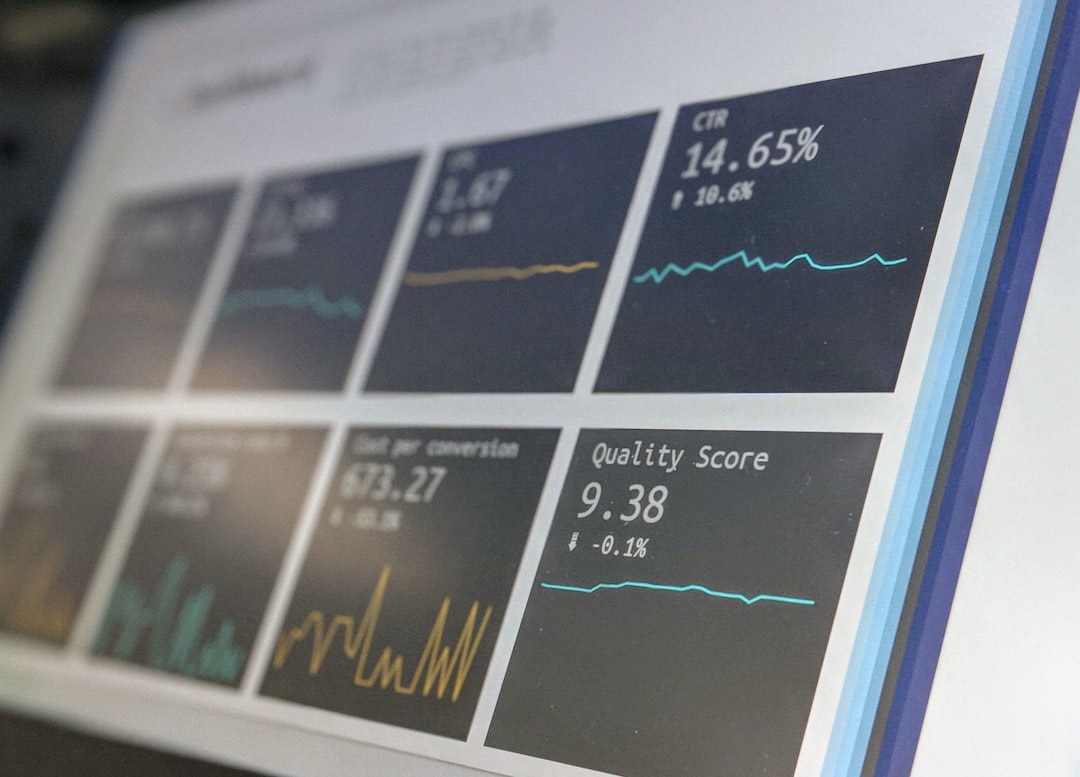
What sets NetSuite apart is its real-time visibility. Managers can monitor production performance, raw material levels, and order fulfillment from a single dashboard. Its AI tools analyze sales patterns and automatically suggest purchasing and production adjustments.
Key Features:
- Advanced inventory and warehouse management
- Demand planning and production scheduling
- Integrated financial management
- Quality control tracking
- Multi-location manufacturing support
In 2026, NetSuite’s predictive analytics tools have become even more refined, helping manufacturers reduce overproduction and minimize material waste. For companies scaling operations internationally, its multi-currency and compliance capabilities are particularly valuable.
Why choose it? Because it combines ERP power with manufacturing precision in one scalable cloud platform.
2. Katana Cloud Manufacturing
Best for: Small to mid-sized manufacturers and D2C brands
Katana continues to excel in simplicity and visual production management. Designed for modern manufacturing teams, it provides a clean and intuitive interface without sacrificing core capabilities.
Katana is especially strong in inventory visibility. It uses real-time inventory tracking to prevent stockouts and over-ordering, which is crucial in a time when supply chains remain unpredictable.
Key Features:
- Live inventory and production tracking
- Automatic material requirement calculations
- Shop floor control app
- Seamless eCommerce integrations
- Batch tracking and traceability
In 2026, Katana’s AI-based forecasting helps small manufacturers compete with larger enterprises. Its automation tools ensure raw materials are reserved for production orders instantly after sales confirmation.
Why choose it? It’s ideal for agile production environments that require flexibility and visibility without enterprise-level complexity.
3. Odoo Manufacturing
Best for: Businesses seeking modular, cost-effective customization
Odoo Manufacturing continues to gain popularity because of its modular design. Companies can implement manufacturing alongside accounting, sales, inventory, and HR modules—all within one ecosystem.
What makes Odoo stand out in 2026 is its flexibility. Manufacturers can configure workflows tailored to their specific production types, including:
- Make-to-order manufacturing
- Make-to-stock processes
- Lean manufacturing systems
- Repair and maintenance operations
Key Features:
- Bill of materials (BoM) management
- Work order tracking
- Quality control checkpoints
- Maintenance scheduling
- PLM (Product Lifecycle Management)
Odoo’s open architecture enables manufacturers to integrate custom apps and third-party tools easily. In 2026, enhancements in machine connectivity allow better IoT sensor integration, giving supervisors insights into efficiency and downtime.
Why choose it? Its balance of affordability and customization makes it ideal for manufacturers with unique operational workflows.
4. Fishbowl Manufacturing
Best for: Inventory-heavy manufacturers and warehouse-focused operations
Fishbowl Manufacturing specializes in robust inventory and warehouse management. For manufacturers dealing with large volumes of parts and assemblies, accurate tracking is essential—and Fishbowl excels in this area.
In 2026, enhanced barcode scanning and automation tools streamline warehouse processes. The system integrates well with accounting platforms and provides strong asset tracking capabilities.
Key Features:
- Advanced inventory control
- Bill of materials and assembly management
- Purchase order automation
- Real-time asset tracking
- Manufacturing reporting tools
Fishbowl’s biggest advantage lies in reducing human errors in stock handling. Automated reorder points and demand forecasting help businesses maintain optimal stock levels without tying up excess capital.
Why choose it? It’s highly effective for companies where inventory accuracy is critical to profitability.
5. SAP S/4HANA Manufacturing
Best for: Large enterprises and global manufacturers
SAP S/4HANA Manufacturing remains one of the most powerful solutions in 2026 for enterprise-level operations. Its in-memory computing technology delivers lightning-fast data processing and analytics across global production lines.
This platform integrates advanced manufacturing execution systems (MES), supply chain management, and finance under a single architecture. Its strength lies in handling enormous datasets while maintaining real-time operational visibility.
Image not found in postmetaKey Features:
- AI-driven demand forecasting
- Digital twin simulation
- Predictive maintenance tools
- Global compliance management
- Advanced analytics and reporting
In 2026, SAP’s digital twin capabilities allow manufacturers to simulate factory changes before implementation. This reduces costly downtime and improves production planning accuracy.
Why choose it? Because it delivers enterprise-grade performance for multinational manufacturing ecosystems.
How to Choose the Right Manufacturing Software
No single platform fits every manufacturer. The ideal choice depends on:
- Company size and growth plans
- Production complexity
- Budget constraints
- Integration needs
- Industry-specific compliance requirements
Small manufacturers prioritizing ease of use may lean toward Katana or Odoo. Mid-sized firms scaling operations may find NetSuite ideal. Inventory-intensive environments benefit from Fishbowl, while global enterprises often require SAP S/4HANA’s advanced ecosystem.
Trends Shaping Manufacturing Software in 2026
The rapid evolution of manufacturing technology continues to influence software innovation. Notable trends include:
- AI-powered autonomous planning
- Increased IoT integration
- Digital twin simulations
- Sustainability tracking and carbon reporting
- Cybersecurity enhancements
Manufacturers now demand more than operational efficiency—they seek sustainability metrics, carbon footprint insights, and energy usage optimization. Modern platforms respond with dashboards that visualize environmental performance alongside production output.
Final Thoughts
The manufacturing industry in 2026 is smarter, faster, and more connected than ever before. Software has evolved from a back-office tool into the central nervous system of production operations. Whether you run a small workshop or a multinational manufacturing enterprise, adopting the right solution can significantly improve efficiency, reduce waste, and increase profitability.
NetSuite ERP, Katana Cloud Manufacturing, Odoo Manufacturing, Fishbowl Manufacturing, and SAP S/4HANA Manufacturing represent the best options available today because they combine automation, intelligence, and scalability. The right choice ultimately depends on your organization’s size, complexity, and long-term strategy—but investing in the right manufacturing software is no longer optional. It’s essential for staying competitive in 2026 and beyond.
