
Social media has evolved from a branding channel into a measurable, performance-driven business asset. Organizations now expect clear evidence of engagement, audience growth, campaign effectiveness, and most importantly, return on investment. To meet these expectations, businesses rely on specialized analytics platforms that transform raw data into actionable insight. Choosing the right tool, however, can significantly impact how accurately performance is tracked and how confidently strategic decisions are made.
TLDR: Social media analytics tools help businesses measure engagement, identify trends, and calculate ROI with precision. The best platforms combine real-time data tracking, competitive benchmarking, and conversion analysis in one dashboard. This article reviews six reliable tools—Hootsuite Analytics, Sprout Social, Brandwatch, HubSpot, Google Analytics 4, and Buffer Analyze—and includes a comparison chart to clarify their strengths. Selecting the right solution depends on budget, reporting depth, and integration requirements.
Below are six social media analytics tools widely recognized for their reliability, robust features, and strategic value.
1. Hootsuite Analytics
Best for integrated social management and performance tracking.
Hootsuite is one of the most established platforms in the social media management sector. Its analytics module provides detailed data on audience growth, post performance, engagement rates, click-through metrics, and campaign reports across multiple networks.

Key Features:
- Customizable performance dashboards
- Cross-platform engagement metrics
- Team performance tracking
- Automated reporting
What makes Hootsuite particularly valuable is its combination of publishing, monitoring, and analytics. Businesses can measure performance and adjust strategy without switching tools. Its ROI analysis tools integrate with paid social campaigns, helping teams determine which content formats drive measurable outcomes.
Strength: Comprehensive, all-in-one environment.
Limitation: Advanced analytics require higher-tier plans.
2. Sprout Social
Best for in-depth reporting and team collaboration.
Sprout Social is widely respected for its visually intuitive dashboards and highly detailed reporting capabilities. It allows organizations to track engagement trends, sentiment analysis, hashtag performance, and competitor comparisons.
Key Features:
- Advanced audience insights
- Sentiment analysis
- Competitor benchmarking
- Custom report builder
Sprout Social excels in translating data into presentation-ready reports. For agencies and enterprise teams that must regularly demonstrate ROI to clients or stakeholders, this functionality is critical. The platform also integrates with CRM systems to connect social interactions directly to customer journeys.
Strength: Professional-grade reporting tools.
Limitation: Higher price point.
3. Brandwatch
Best for trend detection and consumer intelligence.
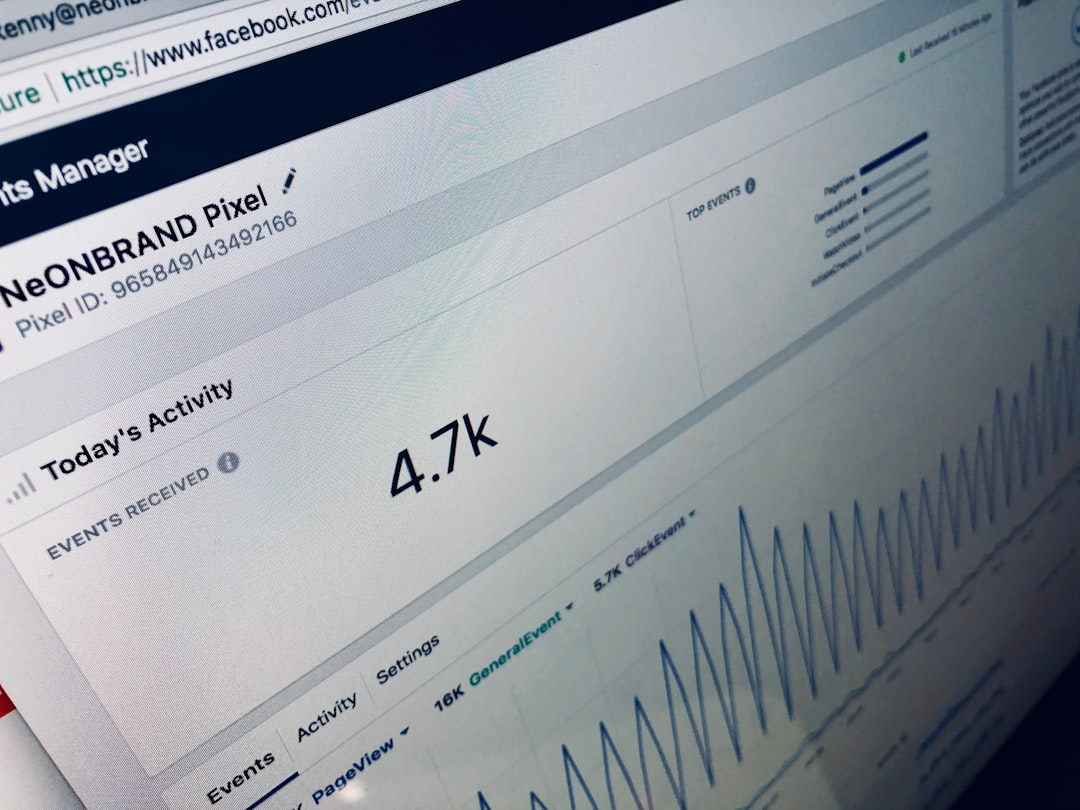
Brandwatch goes beyond standard engagement tracking. It specializes in social listening and trend forecasting by analyzing millions of online conversations in real time. This makes it particularly valuable for large brands monitoring public perception.
Key Features:
- Advanced social listening
- AI-driven sentiment analysis
- Trend prediction tools
- Influencer identification
Businesses use Brandwatch to detect emerging market trends, measure brand sentiment shifts, and analyze campaign impact at scale. Its AI capabilities provide context around why engagement fluctuates—not just how much it changes.
Strength: Highly sophisticated consumer insights.
Limitation: Designed primarily for enterprise-level users.
4. HubSpot Social Media Analytics
Best for linking social media performance directly to revenue.
HubSpot stands out because it bridges the gap between marketing analytics and overall business performance. Instead of focusing solely on likes, shares, or impressions, HubSpot tracks how social traffic converts into leads and sales.
Key Features:
- Closed-loop ROI reporting
- Lead attribution tracking
- CRM integration
- Campaign performance dashboards
For businesses seeking measurable revenue impact, HubSpot is particularly compelling. It identifies which posts generate website visits, which visits convert into leads, and which leads turn into paying customers.
Strength: Precise ROI attribution.
Limitation: Full capabilities require HubSpot ecosystem integration.
5. Google Analytics 4 (GA4)
Best for website conversion tracking from social channels.
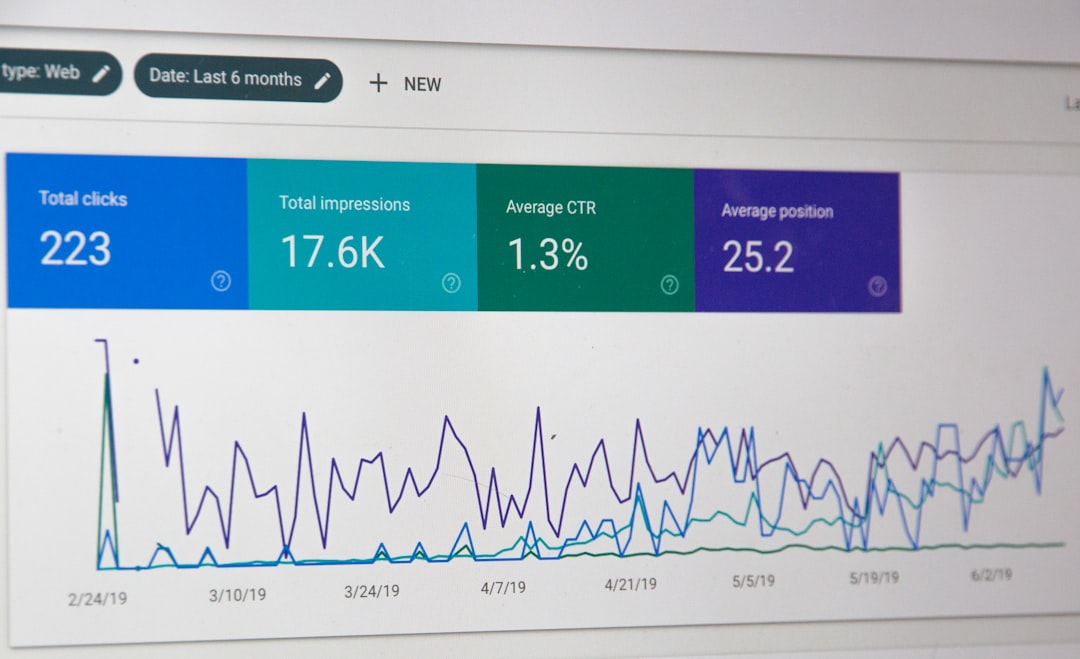
Although not exclusively a social media tool, Google Analytics 4 plays a critical role in tracking social ROI. By setting up campaign parameters (UTMs), businesses can measure how social traffic behaves on their website.
Key Features:
- Traffic source attribution
- Conversion event tracking
- Customer journey analysis
- Cross-device measurement
GA4 helps answer essential ROI questions, such as:
- Which social network drives the highest conversions?
- How long do visitors from social channels stay?
- Which campaigns generate repeat engagement?
Strength: Free and highly scalable.
Limitation: Requires configuration and interpretation expertise.
6. Buffer Analyze
Best for small to mid-sized teams focused on engagement growth.
Buffer is known for simplicity and ease of use. Its analytics tool, Buffer Analyze, focuses on clear engagement metrics and straightforward performance tracking.
Key Features:
- Engagement rate tracking
- Post performance comparison
- Audience growth insights
- Accessible reporting interface
Buffer may not offer the enterprise-level depth of Brandwatch or Sprout Social, but it provides reliable and digestible data. For growing businesses or startups, it delivers a strong balance between usability and analytical clarity.
Strength: User-friendly and affordable.
Limitation: Limited advanced analytics capabilities.
Comparison Chart
| Tool | Best For | Engagement Tracking | Trend Analysis | ROI Measurement | Ideal Business Size |
|---|---|---|---|---|---|
| Hootsuite Analytics | All-in-one management | Strong | Moderate | Moderate | SMB to Enterprise |
| Sprout Social | Advanced reporting | Strong | Strong | Strong | Mid-size to Enterprise |
| Brandwatch | Social listening | Strong | Very Strong | Moderate | Enterprise |
| HubSpot | Revenue attribution | Moderate | Moderate | Very Strong | SMB to Enterprise |
| Google Analytics 4 | Website conversions | Indirect | Limited | Very Strong | All Sizes |
| Buffer Analyze | Engagement growth | Strong | Limited | Basic | Small to Mid-size |
How to Choose the Right Tool
When selecting a social media analytics platform, organizations should evaluate:
- Objective Alignment: Are you focused on engagement growth, brand perception, or direct revenue impact?
- Integration Capabilities: Does the platform integrate with your CRM and marketing stack?
- Budget: Enterprise-grade listening tools may not be necessary for smaller teams.
- Reporting Needs: Consider how often you need formal reports and stakeholder presentations.
No single platform is universally superior; the right choice depends on operational scope and strategic priorities.
Conclusion
Measuring social media performance is no longer optional—it is a business imperative. Engagement rates, audience sentiment, emerging trends, and measurable ROI provide the foundation for informed marketing strategies. Platforms such as Hootsuite, Sprout Social, and Brandwatch offer broad performance visibility, while HubSpot and Google Analytics 4 excel at tying social efforts to financial outcomes. Buffer, meanwhile, delivers clarity and simplicity for growing teams.
Ultimately, the ability to translate data into strategic insight determines success. Businesses that invest in robust analytics tools position themselves to adapt more quickly, allocate budgets more efficiently, and demonstrate measurable value from every social media initiative.
