Supply chains used to run on spreadsheets, phone calls, and a lot of guesswork. Not anymore. Today, smart companies use powerful platforms that predict delays, track inventory in real time, and automate decisions with stunning precision. The result? Up to 68% better accuracy in forecasting, delivery timing, and inventory management.
TLDR: Modern supply chain platforms use AI, automation, and real-time data to improve accuracy by up to 68%. They reduce stockouts, cut delays, and improve forecasting. Tools like SAP IBP, Oracle SCM, and Kinaxis help companies see problems before they happen. The right platform saves money, time, and a lot of stress.
Let’s break down seven supply chain platforms that are changing logistics for the better. No jargon. No fluff. Just simple explanations.
Why Accuracy Matters So Much
In logistics, small mistakes create big problems.
- A late shipment can stop production.
- A forecasting error can leave shelves empty.
- Too much inventory ties up cash.
- Too little inventory hurts sales.
The best platforms fix these issues using:
- Artificial intelligence
- Machine learning
- Real-time tracking
- Predictive analytics
- Automation

Now, let’s look at the top tools making it happen.
1. SAP Integrated Business Planning (IBP)
Best for: Large enterprises needing deep forecasting precision.
SAP IBP uses advanced analytics to balance supply and demand. It analyzes historical data. It studies trends. It even considers market signals.
What makes it powerful?
- Real-time forecasting adjustments
- Inventory optimization models
- Scenario planning tools
- Strong integration with ERP systems
Companies report dramatic reductions in forecasting error. Some see improvements close to that 68% accuracy increase.
It’s complex. But when properly implemented, it’s incredibly powerful.
2. Oracle SCM Cloud
Best for: End-to-end visibility.
Oracle SCM connects procurement, production, inventory, and transportation into one system. Everything talks to everything else.
That means fewer blind spots.
- AI-powered demand forecasting
- Transportation management tools
- Inventory tracking in real time
- Risk monitoring built into the dashboard
It shines in predictive insights. If a delay is brewing, Oracle flags it early. This helps teams act fast instead of reacting too late.
3. Kinaxis RapidResponse
Best for: Fast decision-making.
Kinaxis focuses on agility. It allows businesses to run simulations instantly.
For example:
- What if a supplier shuts down?
- What if demand suddenly spikes 40%?
- What if shipping costs double?
In seconds, teams see the impact.
That speed improves accuracy. Why? Because decisions are based on live data, not educated guesses.

The visual dashboards are simple. The insights are deep. A powerful combination.
4. Blue Yonder (Formerly JDA)
Best for: Retail and distribution-heavy operations.
Blue Yonder uses AI and machine learning to predict demand patterns. It studies buying behavior, seasonality, and local trends.
- Automated replenishment
- Warehouse optimization
- Labor planning tools
- Dynamic routing suggestions
Retailers love it because it reduces out-of-stock issues significantly.
Better predictions lead to fuller shelves. And happier customers.
5. Manhattan Associates
Best for: Warehouse and transportation precision.
This platform excels in execution.
It handles:
- Warehouse management systems (WMS)
- Transportation management systems (TMS)
- Order management
Manhattan’s strength is operational accuracy. It improves picking efficiency. It reduces routing errors. It optimizes delivery sequences.
Warehouses run smoother. Drivers waste less time. Costs shrink.
6. E2open
Best for: Multi-enterprise collaboration.
Supply chains rarely involve one company. They involve many partners.
E2open connects suppliers, manufacturers, distributors, and retailers in one network.
- Real-time shipment visibility
- Supplier collaboration tools
- Global trade compliance automation
- Demand sensing technology
When partners share the same data, errors drop. Miscommunication drops. Delays drop.
This alone can deliver massive accuracy gains.
7. Infor Supply Chain
Best for: Industry-specific supply chains.
Infor designs its tools around specific industries like healthcare, automotive, and manufacturing.
That specialization improves precision.
- Industry-ready templates
- Embedded AI analytics
- Cloud-native flexibility
- User-friendly dashboards
Instead of forcing businesses to adapt to software, the software adapts to the business.
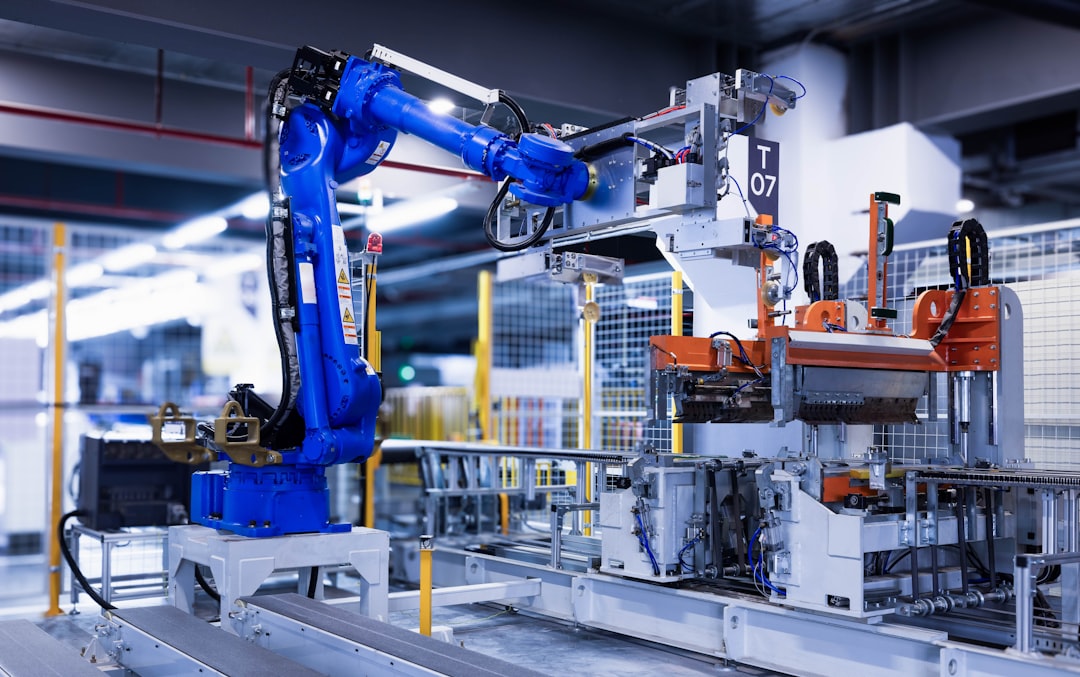
That alignment improves data accuracy and execution speed.
Quick Comparison Chart
| Platform | Best For | Core Strength | AI Capabilities | Ideal Company Size |
|---|---|---|---|---|
| SAP IBP | Enterprise forecasting | Demand planning precision | Advanced predictive analytics | Large enterprises |
| Oracle SCM | Full visibility | End to end integration | AI risk monitoring | Mid to large |
| Kinaxis | Scenario planning | Real time simulations | Predictive modeling | Mid to large |
| Blue Yonder | Retail demand | Behavior prediction | Machine learning forecasting | Retail focused |
| Manhattan | Warehouse execution | Operational control | Route optimization algorithms | Mid to large |
| E2open | Partner collaboration | Network visibility | Demand sensing AI | Global enterprises |
| Infor | Industry specific | Vertical specialization | Embedded AI tools | Mid market to enterprise |
How These Platforms Achieve 68% Better Accuracy
You might wonder. Where does that improvement really come from?
It comes from four big shifts:
1. Real-Time Data
Old systems updated once a day. Modern platforms update constantly. Decisions improve when data is fresh.
2. Predictive Analytics
Instead of reporting what happened, these tools predict what will happen.
3. Automation
Humans make mistakes. Automation reduces them. It does repetitive tasks flawlessly.
4. Connected Systems
No more data silos. Procurement, logistics, and sales all see the same information.
That alignment alone eliminates countless errors.
What to Look For When Choosing a Platform
Not every tool fits every company.
Ask these questions:
- Do you need deeper forecasting or better execution?
- How complex is your supplier network?
- Do you operate globally?
- Is industry specialization important?
- Can your team manage a complex implementation?
Accuracy does not come from software alone. It comes from good data, trained teams, and proper setup.
The Bottom Line
Supply chains are becoming smarter every year. The days of reactive logistics are fading fast.
Today’s platforms offer:
- Clearer visibility
- Smarter forecasts
- Faster decisions
- Lower risk
- Higher confidence
A 68% boost in accuracy is not magic. It’s the result of better data, smarter systems, and connected networks.
Companies that invest in these tools gain more than efficiency. They gain resilience. They stay competitive. They respond faster when disruptions hit.
And in today’s unpredictable world, that kind of precision is priceless.
