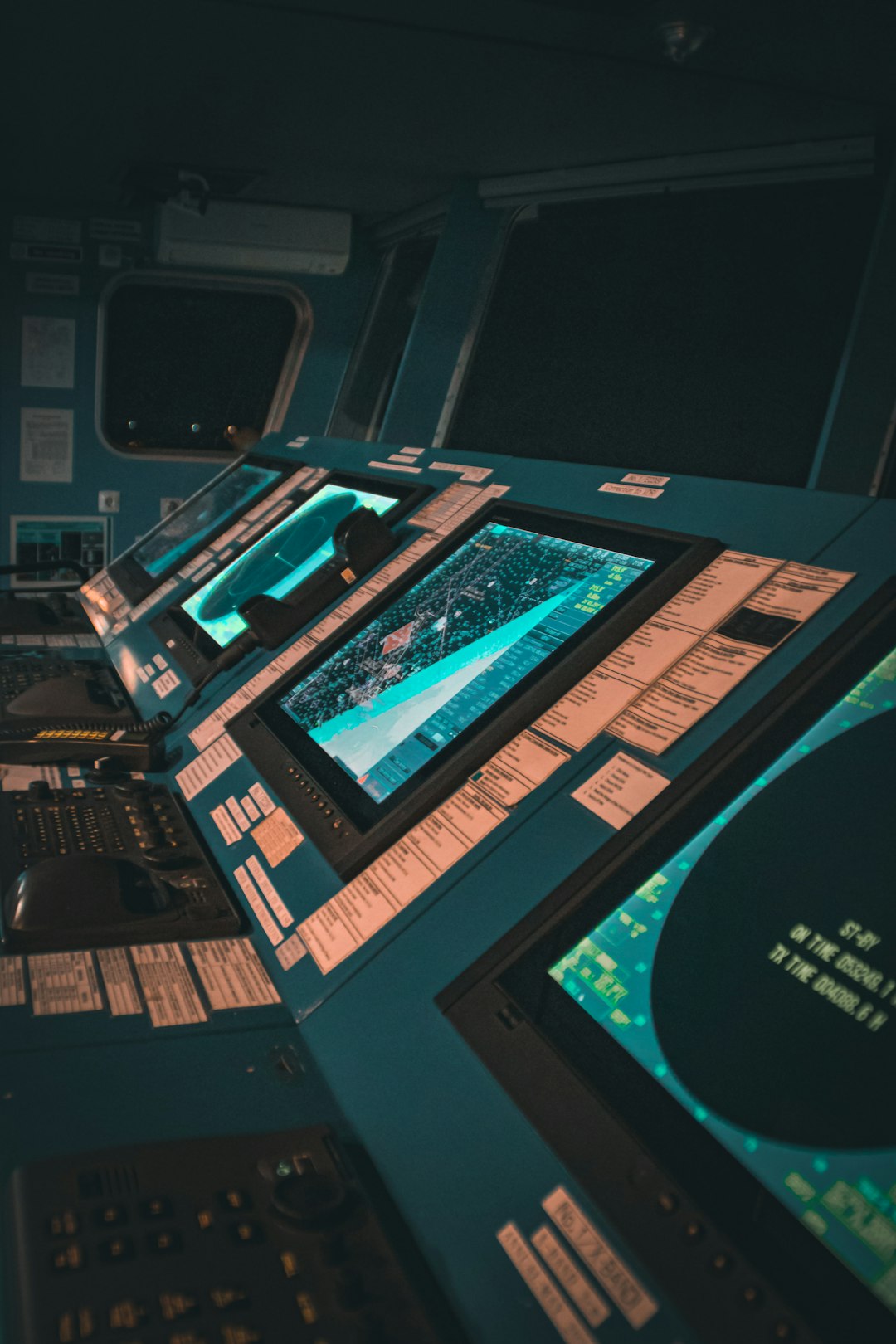
Airports look calm from the terminal window. Planes land. Planes take off. Bags move. People walk. But behind the scenes, the ground operation is a fast, complex dance. Hundreds of moving parts must work in perfect timing. That is where airport ground handling systems like INFORM step in. They help airports think faster, act smarter, and avoid chaos.
TLDR: Airport ground handling systems like INFORM help airports manage aircraft, staff, vehicles, and gates in real time. They reduce delays, cut costs, and improve safety. These tools use data, automation, and smart planning to keep everything running smoothly. In short, they turn airport chaos into organized flow.
Let’s break it down in a simple way.
What Is Ground Handling?
When an airplane lands, the real work begins. Ground handling includes all the tasks that happen between landing and the next takeoff.
This includes:
- Parking the aircraft at the gate
- Guiding it with marshals or docking systems
- Unloading baggage
- Refueling
- Cleaning the cabin
- Loading catering
- Boarding new passengers
- Pushing the aircraft back for departure
Each step must happen in order. Each step must happen on time. If one delay occurs, the whole schedule can fall apart.
Now imagine this happening for hundreds or even thousands of flights every day. That’s a lot of moving pieces.
Why Airports Need Smart Systems
Airports used to manage many of these tasks using spreadsheets, radios, whiteboards, and phone calls. That worked when traffic was lighter. But today’s airports are busier than ever.
Modern airports face:
- Tight turnaround times
- Staff shortages
- Weather disruptions
- Security constraints
- Rising fuel and labor costs
Manual coordination just isn’t enough anymore.
This is where systems like INFORM GroundStar come into play.
What Is INFORM?
INFORM is a technology company that builds smart optimization software. Their airport solution, often known as GroundStar, helps manage all ground handling processes in one digital platform.
Think of it as a brain for airport ground operations.
It connects data from:
- Flight schedules
- Gate management systems
- Baggage handling systems
- Staff rosters
- Vehicle tracking tools
- Weather reports
Then it uses algorithms to create the best possible plan.
Image not found in postmetaHow Optimization Works (In Simple Terms)
Optimization sounds fancy. But it just means finding the best way to use available resources.
For example:
If 10 planes land at the same time, and you only have:
- 5 baggage teams
- 3 fuel trucks
- 8 gates
Who gets what first?
The system calculates:
- Which flights are departing soonest
- Which aircraft are largest
- Which connections are critical
- Which staff are certified for each aircraft type
Then it assigns tasks automatically.
Humans can still adjust things. But the heavy thinking is done by software in seconds.
Key Features of INFORM Ground Handling Systems
1. Real-Time Planning
Flight delayed? Gate changed? Storm approaching?
The system updates instantly. It recalculates assignments in real time. That prevents bottlenecks and confusion.
2. Workforce Management
Ground handling staff have complex schedules. There are shift limits, qualification rules, and labor laws.
The system tracks:
- Working hours
- Break times
- Skill certifications
- Overtime risks
This helps reduce fatigue and labor costs.
3. Vehicle Allocation
Airports use many special vehicles:
- Belt loaders
- Pushback tractors
- Ground power units
- Catering trucks
The software tracks where they are. It prevents double-booking. It reduces idle time.
4. Turnaround Management
Turnaround time is critical. A few extra minutes can mean a huge chain reaction of delays.
The system monitors every milestone:
- On-block time
- Door open
- Catering complete
- Boarding start
- Pushback clearance
If something runs late, alerts are triggered.

Benefits for Airports
So what do airports actually gain?
1. Fewer Delays
Better planning means faster turnarounds. Faster turnarounds mean better on-time performance.
2. Lower Costs
Reduced fuel burn from waiting aircraft. Less overtime pay. Better asset usage.
3. Improved Safety
Clear task assignments reduce human error. Compliance rules are built into the system.
4. Better Passenger Experience
Passengers don’t see the software. But they feel the impact. Flights leave on time. Bags arrive correctly.
5. Data-Driven Decisions
Managers can view reports and analyze trends. They can plan smarter for peak seasons.
Comparison: INFORM vs Other Ground Handling Systems
INFORM is not alone. Other systems also support airport operations. Here’s a simple comparison.
| Feature | INFORM GroundStar | Amadeus Airport Operations | SITA Airport Management |
|---|---|---|---|
| Real Time Optimization | Advanced algorithm based | Schedule based automation | Integrated monitoring |
| Workforce Planning | Detailed skill tracking | Basic rostering tools | Modular workforce tools |
| Vehicle Management | Strong allocation engine | Limited vehicle tracking | IoT integration available |
| Turnaround Control | Milestone driven alerts | Operational dashboard | Collaborative platform |
| Best For | High traffic airports | Airports using Amadeus suite | Airports seeking integration |
Each airport chooses based on size, budget, and ecosystem. But INFORM stands out for deep optimization capabilities.
How Artificial Intelligence Makes It Smarter
Modern systems use artificial intelligence and machine learning.
They can:
- Predict peak congestion times
- Forecast staffing shortages
- Suggest better gate assignments
- Simulate “what if” scenarios
For example:
What if a runway closes unexpectedly?
The system runs simulations. It suggests new aircraft sequences. It reallocates gates. All within minutes.
Humans would need hours to manually re-plan that scenario.
Integration with Airport Collaborative Decision Making
Many airports use A-CDM (Airport Collaborative Decision Making).
This approach allows:
- Airlines
- Ground handlers
- Air traffic control
- Airport operators
to share real-time data.
INFORM integrates into this ecosystem. Everyone sees the same updated plan. That reduces misunderstandings.
The Impact on Sustainability
Airports are under pressure to reduce emissions.
Optimization helps sustainability in simple ways:
- Less taxi waiting time
- Reduced engine idling
- Fewer unnecessary vehicle trips
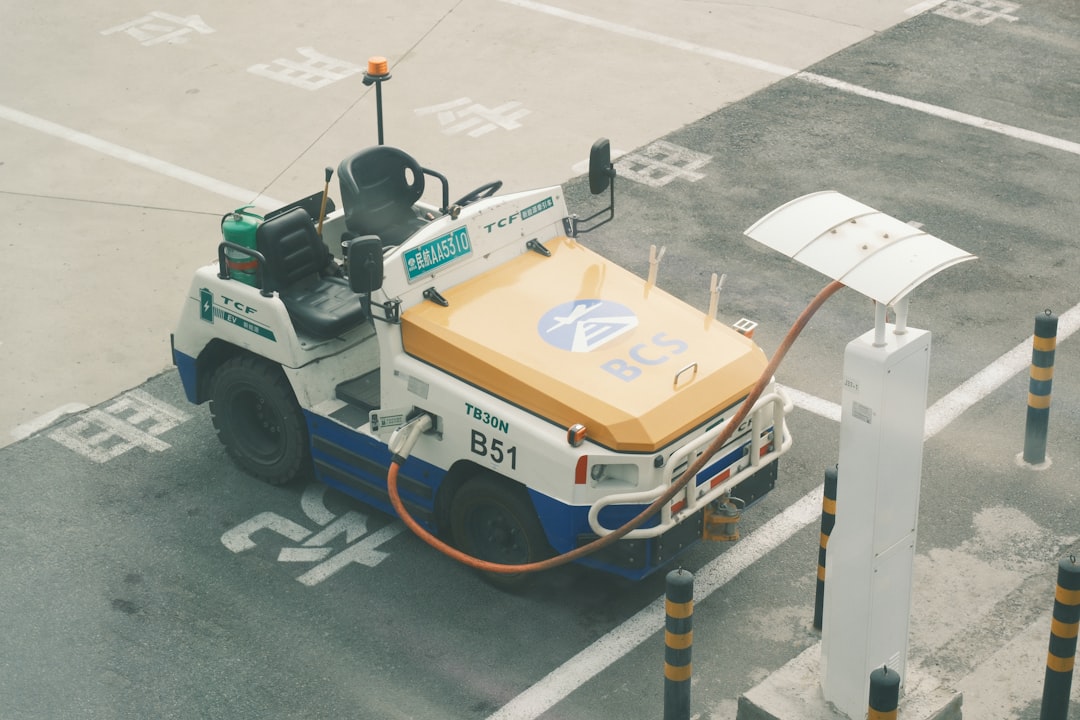
- Better electric equipment scheduling
Even small efficiency gains add up. Across thousands of flights, the environmental impact can be significant.
A Day in the Life with INFORM
Imagine a busy international airport morning.
6:00 AM. A thunderstorm hits.
Three inbound flights are delayed. Two gates become unavailable due to lightning safety rules.
Without software?
- Phone lines explode
- Supervisors scramble
- Mistakes happen
With INFORM?
- System detects disruptions
- New gate plan is created
- Staff assignments are adjusted
- Revised schedules are pushed to mobile devices
Ground crews receive updates instantly on tablets or handheld devices.
The storm still causes delays. But they are controlled delays. Not chaos.
Challenges and Considerations
No system is perfect.
Airports must consider:
- High implementation costs
- Training requirements
- System integration complexity
- Data accuracy needs
If flight data is wrong, optimization suffers.
Change management is also critical. Staff must trust the system. Otherwise, they might revert to manual habits.
The Future of Ground Handling Systems
The next evolution is already starting.
Future systems will likely include:
- Autonomous ground vehicles
- Robotic baggage handling support
- Predictive weather disruption modeling
- Digital twins of entire airports
A digital twin is a virtual copy of the airport. Managers can test scenarios in a safe simulation before applying them in real life.
Imagine adjusting gate layouts or fleet schedules inside a simulation first. That reduces risk dramatically.
Why It All Matters
Air travel connects the world.
But flight is only part of the journey. Ground time matters just as much.
If ground operations fail:
- Passengers miss connections
- Airlines lose money
- Airports lose reputation
Systems like INFORM quietly keep everything moving.
They turn data into decisions. They turn complexity into clarity. They transform airports from reactive environments into proactive, intelligent ecosystems.
Next time you sit at the gate and your plane leaves exactly on time, remember this:
There is a powerful digital brain behind the scenes. It is coordinating crews, vehicles, gates, and schedules in seconds.
It is making sure the ground operation feels effortless.
And that invisible efficiency is what keeps the world flying.
