Wildlife tracking used to mean notebooks, binoculars, and a lot of patience. Today, it also means satellites, smart sensors, and powerful apps. Researchers can now follow animals across forests, oceans, and even entire continents. Tools like Movebank have changed the game. But Movebank is not the only option. Several other apps help scientists monitor animal movement in smart and simple ways.
TLDR: Wildlife tracking apps help researchers follow animal movement using GPS and other sensors. Besides Movebank, tools like Wildlife Insights, EarthRanger, and SMART Conservation Software offer powerful features. They make it easier to collect, store, and analyze tracking data. These platforms help scientists protect animals by understanding where they go and why.
Let’s explore three wildlife tracking apps that work like Movebank. We’ll keep it simple. And maybe even a little fun.
Why Wildlife Tracking Apps Matter
Animals move for many reasons. They look for food. They escape predators. They migrate with the seasons. They search for mates. Understanding these movements helps researchers protect species and habitats.
Tracking apps collect data from:
- GPS collars
- Satellite tags
- Radio transmitters
- Camera traps
- Environmental sensors
The apps store this data in organized systems. Then they turn numbers into maps, charts, and patterns. That makes the information easier to understand.
Now let’s look at three strong alternatives to Movebank.
1. Wildlife Insights
Best for: Camera trap data and biodiversity monitoring
Wildlife Insights is a powerful platform designed for researchers using camera traps. Camera traps are motion-activated cameras placed in the wild. When an animal walks by, snap, a photo is taken.
These cameras collect thousands of images. Sorting them manually would take forever. Wildlife Insights speeds up the process.
What Makes It Great?
- AI-powered image recognition – The system helps identify species in photos.
- Cloud storage – Upload and manage huge image libraries.
- Data sharing tools – Collaborate with teams worldwide.
- Mapping features – See where species appear most often.
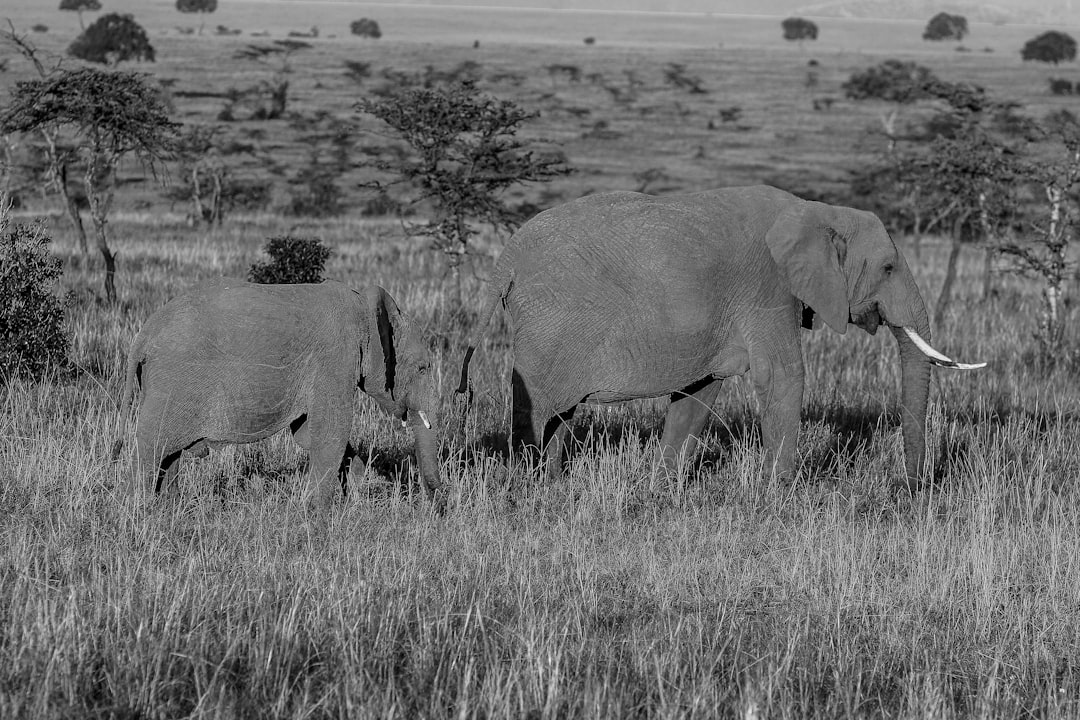
The app is especially helpful for tracking land animals like:
- Tigers
- Elephants
- Deer
- Jaguars
Instead of tracking one individual animal with a collar, Wildlife Insights often focuses on populations. It’s great for answering questions like:
- How many species live in this forest?
- Are endangered animals still present?
- How does human activity affect wildlife?
This makes it a strong companion or alternative to Movebank for broader ecosystem monitoring.
2. EarthRanger
Best for: Real-time wildlife protection and park management
EarthRanger is like a control center for conservation teams. It collects live data from many sources and displays it in one easy dashboard.
Think of it as air traffic control. But for animals and rangers.
Key Features
- Real-time GPS tracking – Follow collared animals live.
- Ranger tracking – Monitor patrol teams in protected areas.
- Alert systems – Notify staff of unusual movements.
- Data integration – Combines weather, poaching reports, and animal movement.
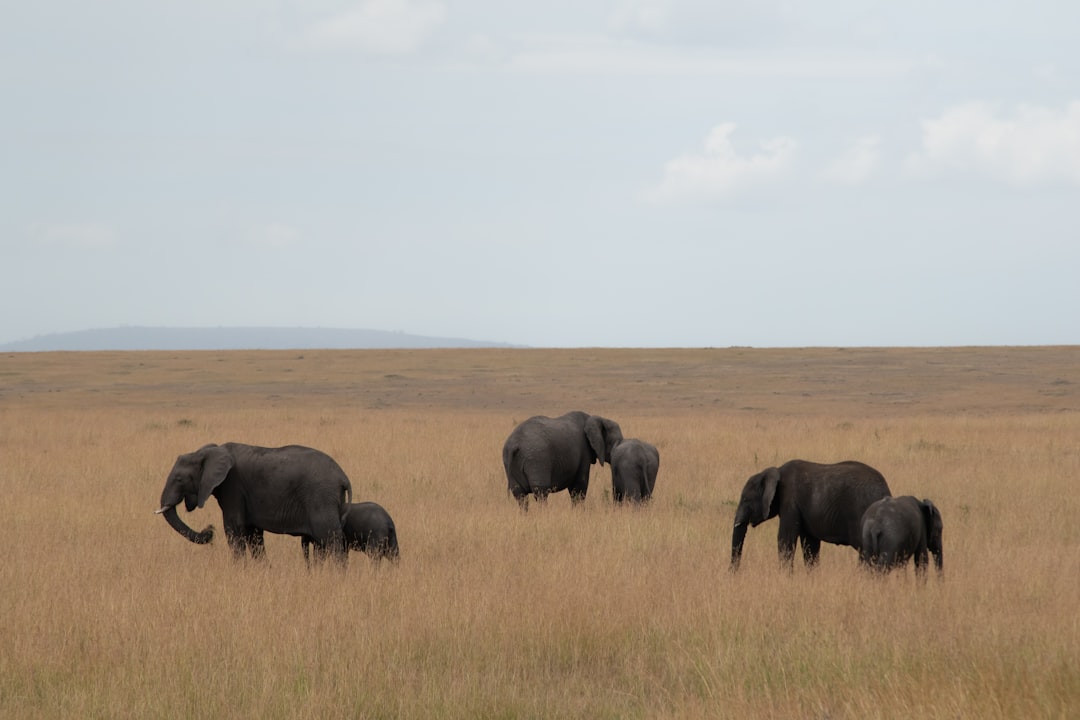
This app is widely used in African wildlife reserves. For example, if an elephant wearing a GPS collar moves toward farmland, rangers can act quickly. That prevents human-wildlife conflict.
EarthRanger is not just about research. It’s about action.
Why Researchers Love It
Scientists can analyze movement patterns over time. They can see migration paths. They can also study how animals respond to threats.
Because the platform handles live data, it’s very useful for endangered species protection.
In short, EarthRanger blends science with on-the-ground conservation.
3. SMART Conservation Software
Best for: Protected area management and anti-poaching efforts
SMART stands for Spatial Monitoring and Reporting Tool. It helps conservation teams collect, store, and analyze field data.
Unlike apps that focus only on animal collars, SMART tracks many types of information:
- Wildlife sightings
- Foot patrol routes
- Illegal activities
- Habitat conditions
Main Benefits
- Offline data collection – Works in remote areas.
- Customizable reports – Create maps and summaries.
- Law enforcement tracking – Record poaching incidents.
- Open-source flexibility – Adapt to local needs.
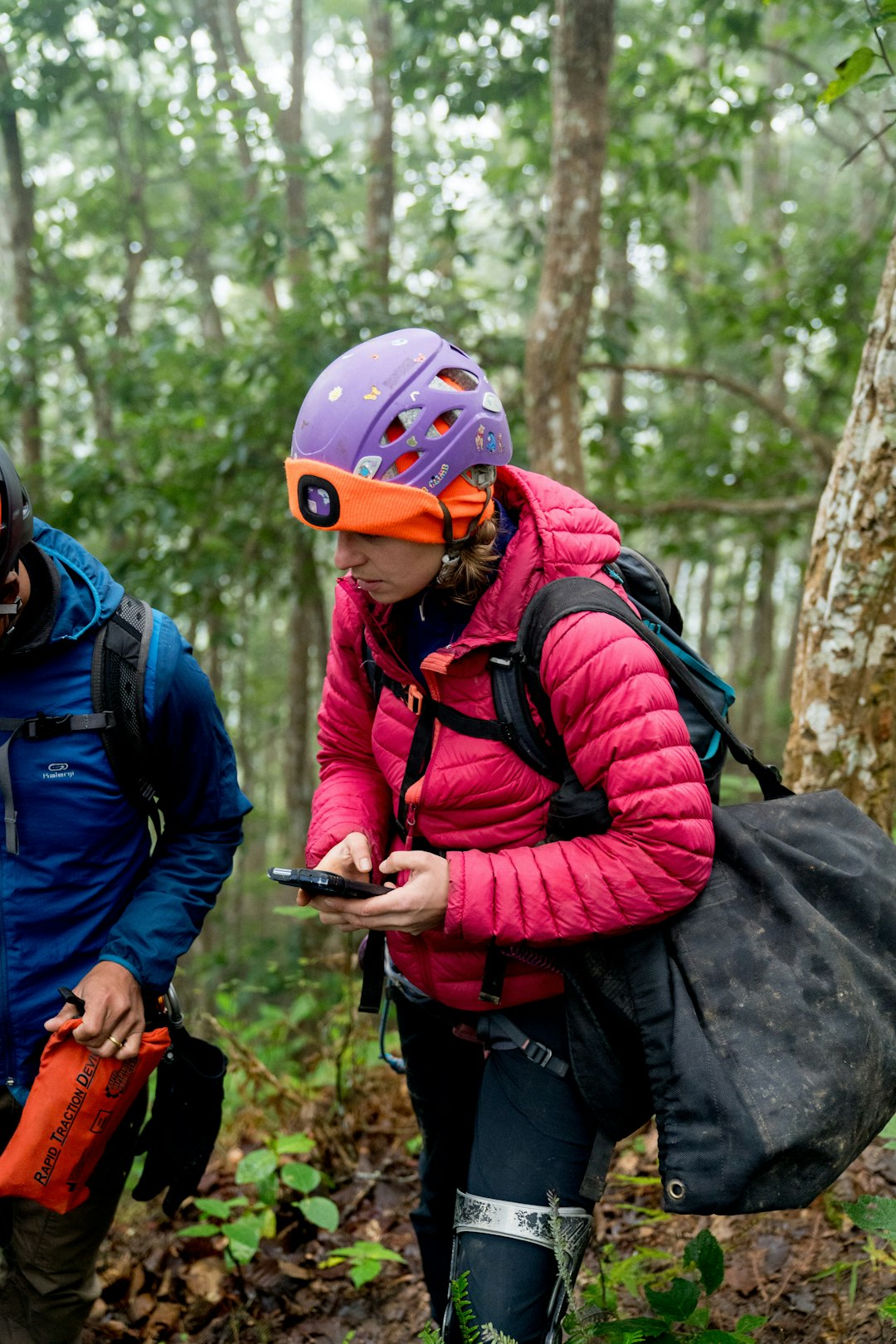
Researchers often work in places with no internet. SMART allows them to gather data in the field. Later, they upload everything to a central system.
It is especially useful for national parks and marine reserves.
While Movebank focuses heavily on animal movement data from tracking devices, SMART includes human activity and threat data too. This gives a bigger conservation picture.
Comparison Chart
| Feature | Wildlife Insights | EarthRanger | SMART |
|---|---|---|---|
| Main Focus | Camera trap image analysis | Real-time wildlife and ranger monitoring | Protected area management |
| Real-Time Tracking | Limited | Yes | Partial |
| AI Features | Species recognition | Movement alerts | Data reporting tools |
| Offline Capability | No | Limited | Yes |
| Best For | Biodiversity studies | Endangered species protection | Park patrol and law enforcement |
How These Apps Compare to Movebank
Movebank is well known for storing and sharing animal tracking data. It supports GPS collars, accelerometers, and other sensors. Researchers use it for deep scientific analysis.
The three tools above overlap in different ways.
- Wildlife Insights focuses more on images than collars.
- EarthRanger focuses on real-time management.
- SMART combines wildlife and human activity tracking.
If Movebank is like a research library, EarthRanger is a control room, Wildlife Insights is a smart photo lab, and SMART is a field notebook with superpowers.
Each tool serves a different purpose. Many conservation teams use more than one at the same time.
What to Look for in a Wildlife Tracking App
If you are part of a research team choosing a tracking system, consider these factors:
1. Type of Data
Are you using GPS collars? Camera traps? Patrol logs? Choose a platform that supports your main data source.
2. Connectivity
Will you work in remote areas? Offline capability can be essential.
3. Collaboration Needs
Large international teams need cloud-based systems with easy sharing tools.
4. Analysis Tools
Look for built-in mapping and reporting tools. Visual data is easier to explain to policymakers and donors.
5. Security
Sensitive data, like the location of endangered rhinos, must be protected. Strong security features are critical.
The Future of Wildlife Tracking
Technology keeps improving. GPS collars are getting smaller. Batteries last longer. Satellite coverage is expanding.
Artificial intelligence is also changing the game. AI can:
- Detect unusual movement patterns
- Predict migration timing
- Identify animals from images automatically
In the near future, drones and wearable sensors may become even more common. Data will be faster and more detailed than ever before.
But one thing stays the same.
The goal is protection.
Every data point represents a living creature. A whale crossing the ocean. A wolf roaming the tundra. A sea turtle returning to its nesting beach.
Final Thoughts
Wildlife tracking apps are powerful tools for modern conservation. While Movebank remains a leading platform, it is not alone. Wildlife Insights, EarthRanger, and SMART each bring unique strengths.
They help researchers:
- Understand animal movement
- Detect environmental changes
- Prevent poaching
- Reduce human-wildlife conflict
The more we understand how animals move, the better we can protect them.
And thanks to these innovative tools, we are watching wildlife in ways that were once impossible.
Science is getting smarter. Conservation is getting stronger. And the wild world has a better chance because of it.
