Successful beekeeping depends on more than instinct and routine hive checks. It requires accurate observation, seasonal awareness, and the right tools to gather meaningful data about colony health. Modern beekeepers rely on specialized equipment to monitor brood patterns, food stores, population levels, parasites, and environmental conditions throughout the year. By using the proper tools at the right time, hive management becomes proactive rather than reactive.
TLDR: Tracking hive health throughout the seasons requires a combination of inspection tools, monitoring devices, and data tracking methods. From hive scales and temperature sensors to mite testing kits and brood inspection tools, each instrument serves a distinct purpose. Seasonal changes demand different monitoring priorities, and using a coordinated toolkit helps prevent losses and improve honey yields. Smart, consistent data collection is key to thriving colonies.
Below is a detailed look at essential beekeeping tools that help monitor hive health year-round, along with guidance on when and how to use them effectively.
1. Hive Inspection Tools
Routine inspections are the foundation of hive health monitoring. Several basic tools make these inspections safer and more precise.
- Hive Tool: Used to pry apart frames and scrape propolis buildup.
- Bee Brush: Gently removes bees from frames for closer inspection.
- Smoker: Calms bees during hive checks to reduce stress and defensive behavior.
- Frame Grip: Helps safely lift frames for examination.
These tools allow beekeepers to evaluate:
- Brood pattern consistency
- Presence of eggs and larvae
- Queen activity
- Honey and pollen stores
- Signs of disease
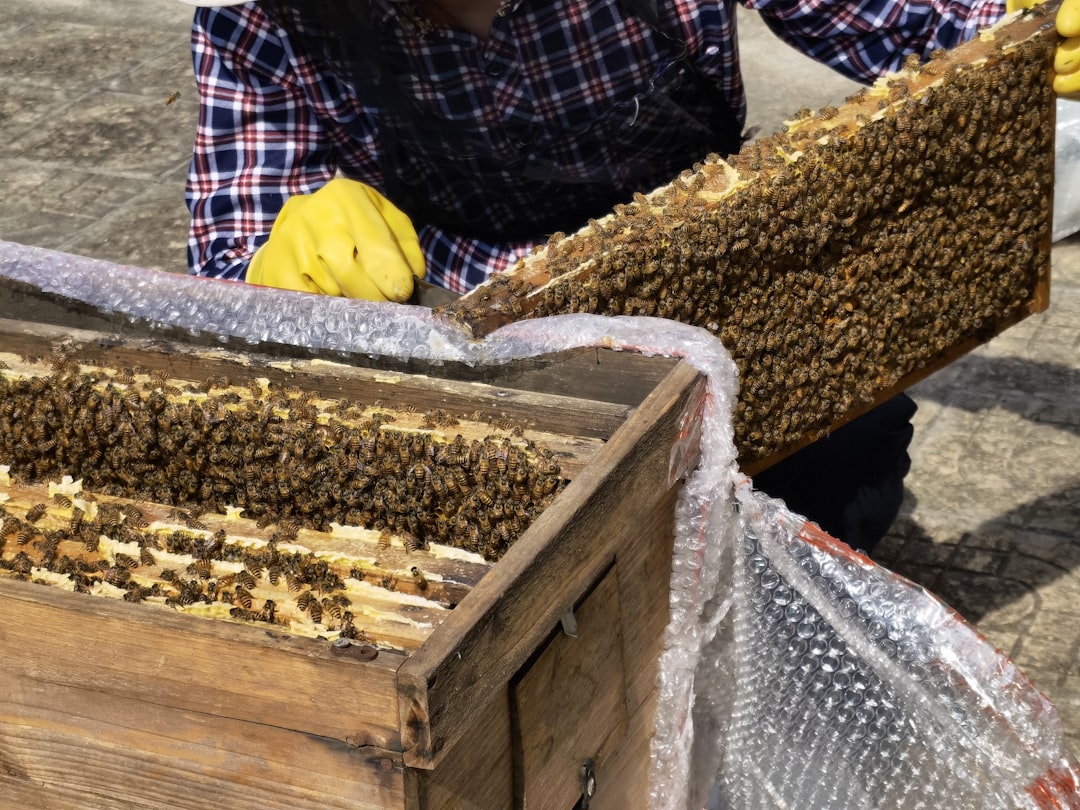
During spring and summer, inspections may occur every 7–14 days due to rapid colony growth. In fall, inspections focus on food reserves, and in winter, physical inspections are minimal to avoid disturbing the cluster.
2. Hive Scales
Hive scales are one of the most powerful tools for tracking seasonal health trends. Installed beneath a hive, they measure colony weight changes over time.
Weight fluctuations reveal:
- Nectar flow intensity
- Honey production levels
- Food consumption in winter
- Sudden population changes (such as swarming)
For example, rapid spring weight gain suggests a strong nectar flow, while steady winter weight decline indicates food consumption. Sharp, unexpected weight loss may signal swarming or robbing.
Many modern hive scales offer wireless data transmission, enabling remote monitoring through mobile apps.
3. Temperature and Humidity Sensors
Maintaining proper internal hive climate is vital for brood development and colony survival. Digital temperature and humidity sensors provide consistent insight into internal conditions without frequent hive openings.
Healthy brood nests typically remain between 33–36°C (91–97°F). Significant temperature drops during brood rearing season may indicate:
- Weak population
- Queen failure
- Disease stress
High humidity combined with cold winter temperatures can lead to condensation, which is more dangerous than cold alone. Monitoring these conditions helps guide ventilation adjustments.
4. Varroa Mite Monitoring Tools
Varroa destructor mites are among the most serious threats to honeybee colonies. Effective tracking requires specialized tools for accurate mite counts.
- Sugar Roll Test Kit: Gently coats bees in powdered sugar to dislodge mites for counting.
- Alcohol Wash Kit: Provides highly accurate mite counts.
- Sticky Boards: Placed under screened bottom boards to measure natural mite fall.
Testing should occur multiple times per year:
- Early spring
- Mid-summer
- Early fall
Tracking mite levels helps determine the proper timing of treatments and prevents winter colony collapse.
5. Brood Pattern Evaluation Tools
Assessing brood quality is one of the clearest indicators of colony health. While visual inspection is standard, additional tools improve evaluation accuracy.
- Magnifying Glass or Headset: Helps inspect eggs and larvae.
- Brood Pattern Grid: Assists in estimating brood coverage percentage.
- LED Frame Light: Improves visibility inside shaded hive boxes.
A strong colony shows a tight, consistent brood pattern with few empty cells. Spotty brood may indicate disease, pests, or queen problems.
6. Infrared Thermal Cameras
Infrared cameras allow beekeepers to assess colony heat signatures without opening the hive. During colder months, this tool is particularly useful.
Advantages include:
- Non-invasive winter monitoring
- Locating cluster position
- Identifying weak colonies
Thermal imaging can reveal whether bees are maintaining adequate warmth or if supplemental insulation may be required.
Image not found in postmeta7. Hive Monitoring Apps and Digital Logs
Consistent recordkeeping transforms scattered observations into actionable insights. Hive management apps enable beekeepers to log:
- Inspection dates
- Mite counts
- Queen status
- Honey harvest amounts
- Treatment schedules
Over multiple seasons, stored data reveals patterns in nectar flow timing, recurring disease issues, and productivity trends. Even a simple spreadsheet can significantly improve decision-making.
8. Queen Marking and Tracking Tools
Monitoring the queen’s performance is central to hive health. Tools that assist in identifying and tracking her include:
- Queen Marking Pen: Uses standardized color codes by year.
- Queen Catcher Clip: Safely holds the queen during marking.
Marking the queen makes it easier to confirm her presence during inspections and determine her age, which influences productivity and swarm risk.
Seasonal Tool Priorities
Each season requires different monitoring emphasis:
Spring
- Brood inspection tools
- Mite testing kits
- Hive scales for nectar flow tracking
Summer
- Hive scales for honey production
- Ventilation monitoring
- Mite testing tools
Fall
- Mite tests
- Weight monitoring for winter stores
- Queen performance assessment
Winter
- Temperature sensors
- Thermal cameras
- Hive scales to track food consumption
Comparison Chart of Key Hive Monitoring Tools
| Tool | Primary Purpose | Best Season | Invasiveness | Data Type |
|---|---|---|---|---|
| Hive Tool & Smoker | Frame inspection | Spring, Summer | High | Visual |
| Hive Scale | Track nectar flow & food stores | Year Round | Low | Weight Data |
| Temperature Sensor | Monitor brood warmth | Winter, Spring | Low | Climate Data |
| Mite Test Kit | Measure varroa levels | Spring, Summer, Fall | Moderate | Parasite Count |
| Thermal Camera | Check cluster heat | Winter | None | Heat Signature |
| Queen Marking Tools | Track queen age | Spring | Moderate | Identification Data |
Building a Seasonal Monitoring System
The most effective beekeepers combine several tools into a structured tracking system. Rather than relying on memory or occasional checks, successful hive management involves:
- Scheduled inspections
- Quarterly mite monitoring minimum
- Continuous weight tracking
- Seasonal queen assessments
- Climate monitoring during temperature extremes
Consistency is more important than complexity. Even basic tools, when used regularly, provide valuable trend data that helps prevent avoidable colony losses.
Conclusion
Tracking hive health throughout the seasons requires observation, patience, and the right set of tools. From traditional hive equipment to digital monitoring systems, each device offers unique insight into colony strength and stability. By integrating weight measurements, parasite tracking, climate monitoring, and routine inspections, beekeepers can identify potential issues before they become catastrophic. Seasonal awareness combined with reliable data transforms beekeeping from guesswork into informed stewardship.
Frequently Asked Questions (FAQ)
1. How often should hive health be monitored?
During spring and summer, inspections typically occur every 7–14 days. In winter, external monitoring tools like scales and temperature sensors reduce the need to open the hive.
2. What is the most important tool for beginners?
Basic inspection tools combined with a mite testing kit are essential. Monitoring varroa levels is critical for long-term colony survival.
3. Are digital hive monitoring systems necessary?
They are not mandatory, but they greatly simplify data collection and allow remote observation, especially for multiple hives.
4. When should varroa mite testing be done?
At least three times per year: early spring, mid-summer, and early fall. Additional testing may be needed after treatments.
5. Can hive scales replace regular inspections?
No. Hive scales provide valuable trend data but cannot replace visual checks for brood pattern, queen presence, or disease symptoms.
6. How do temperature sensors help in winter?
They confirm whether bees are maintaining cluster warmth and help identify potential colony weakness without disturbing the hive.
With the right tools and consistent data tracking, beekeepers can guide their colonies through seasonal changes with confidence and greater success.
