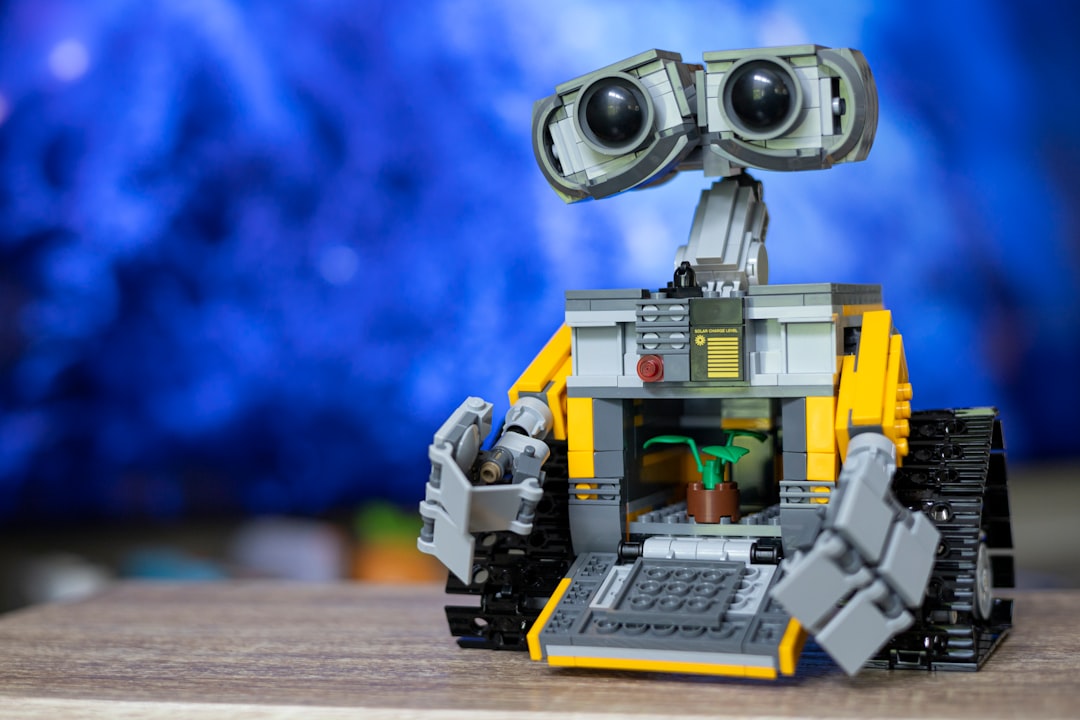
Leonardo da Vinci is universally celebrated as one of history’s greatest polymaths—an artist, inventor, engineer, and visionary centuries ahead of his time. His enduring genius has inspired everything from fine art museums to educational curriculums. Now, it has also inspired a remarkable creative collaboration in the form of Lego DaVinci sets. These intricate, historically resonant kits offer an entertaining yet intellectually stimulating way to engage with the legacy of the Renaissance master.
TL;DR
Lego DaVinci sets are an inspired fusion of art, engineering, and history, bringing to life the most iconic inventions and ideas of Leonardo da Vinci. These sets are not only enjoyable to build but also serve as educational tools, illustrating key concepts of mechanics, design, and innovation. They are ideal for hobbyists, educators, and aspiring inventors of all ages. If you’re looking for a hands-on way to explore da Vinci’s genius, these models quite literally put his brilliance in your hands.
The Philosophy Behind the Lego DaVinci Series
Unlike traditional Lego sets, which often prioritize entertainment or fictional themes, the Lego DaVinci series is anchored in historical authenticity and educational merit. Designed for both learning and leisure, these sets serve a dual purpose: they offer a tactile reconstruction of da Vinci’s inventions and prompt deeper inquiry into the science and artistry of the late 15th and early 16th centuries.
The appeal lies in their duality. *On one hand*, they present beautifully scaled models of Leonardo’s mechanical inventions—such as the aerial screw (a primitive helicopter), the ornithopter, or his iconic self-propelled cart. *On the other hand*, they create a bridge between STEM (science, technology, engineering, and math) learning and cultural history, making them unique among Lego’s educational lines.
Highlights of the Series
Several standout models define the Lego DaVinci collection. These kits are not only faithful in design but also demonstrate Leonardo’s ingenuity through moving parts and innovative Lego engineering.
- Da Vinci’s Flying Machine: This elegant model replicates Leonardo’s attempt to bring human flight to life, with articulated wings and a rubber-band mechanism that mirrors the original concept of flapping propulsion.
- The Self-Propelled Cart: Widely recognized as one of the earliest programmable machines, this masterpiece boasts winding mechanisms and a gear system—allowing the cart to move on its own, just like da Vinci intended.
- The Aerial Screw: Often considered the ancestor of the modern helicopter, this vertical propulsion system is built using spiraled Lego elements to recreate the iconic screw mechanism.
- The Armored Tank: With rotating wheels and internal gearing, this model offers insight into the Renaissance understanding of military mechanics and early vehicular design.

A Fusion of Form and Function
One of the most compelling aspects of the Lego DaVinci sets is how well they fuse form and function. These are not just beautiful display pieces; they actually work. Builders can interact with the machines in ways that encourage experimentation and engineering insight. For example, assembling the Self-Propelled Cart involves learning about gear ratios and wind-up energy, not unlike modern robotics kits.
Each model is usually accompanied by richly detailed manuals that not only give step-by-step instructions but also provide historical context, sketches from da Vinci’s own notebooks, and explanations of the mechanical principles involved. This makes them excellent tools for inquiry-based learning, where students and hobbyists alike can experiment, replicate, and discover principles on their own.
Educational Value in the Classroom
More and more educators are incorporating Lego DaVinci models into STEM and STEAM (adding Art to STEM) curricula. The kits serve as tactile aids that help reinforce complex ideas through kinesthetic engagement. Here’s how these sets benefit learning environments:
- Hands-On Physics: By building functioning devices, students naturally learn concepts such as torque, force, load distribution, and rotational motion.
- Art and History Integration: The kits tie in with art lessons about Da Vinci, his time in Florence, and the cultural backdrop of the Renaissance.
- Problem Solving and Design Thinking: Builders confront real-world engineering challenges as they adjust gears, levers, and axles for optimal performance.
Because of their interdisciplinary nature, these models are popular even beyond traditional classrooms. Homeschooling communities, after-school STEM programs, and even museum workshops have adopted the sets as core elements in their teaching toolkits.
For the Adult Hobbyist and Collector
While Lego DaVinci sets are undoubtedly child-friendly, they are no less rewarding for adult hobbyists. Many adult fans of Lego (AFOLs) appreciate these models for their artistic fidelity and complexity. Each set feels like a miniature mechanical sculpture, with intricate inner workings and beautiful outward designs.
They also serve as stunning display pieces. Placed on a shelf or desk, they function not just as decoration but as conversation starters that speak to the builder’s intellect and curiosity. Many buyers report a sense of satisfaction not just from completing the model but from understanding and recreating an age-old invention using modern means.

Connecting with Leonardo’s Vision
Lego’s DaVinci line isn’t simply a celebration of mechanical toys—it’s an homage to a worldview. Leonardo saw the universe as interconnected. For him, art and science were not separate disciplines but two lenses through which to understand the same truth. These sets reflect that same ethos by requiring artistic diligence in construction and scientific rigor in functionality.
For anyone who has ever marveled at the pages of the Codex Atlanticus or examined “Vitruvian Man” in a textbook, these kits offer more than a reenactment: they offer insight. Each model is a gateway to an era characterized by curiosity, innovation, and the marriage of reason with wonder.
Challenges and Improvements
While overwhelmingly well-received, the Lego DaVinci sets are not without limitations. Some users report that the mechanisms, though visually accurate, can be delicate or prone to disassembly with frequent use. Moreover, given the niche focus on historical engineering, the sets are not as widely available as mainstream Lego products, often selling out quickly or requiring special orders.
Lego is reportedly working to expand this line, possibly adding models of da Vinci’s bridges, water-lifting devices, and improved aerial machines. Enthusiasts and educators alike eagerly await these potential expansions.
Conclusion: A Legacy Rebuilt in Lego
The Lego DaVinci line transcends the usual expectations of building sets. Rooted in history and engineered for interaction, they offer something rare: a hands-on experience of genius. With each brick snapped into place, builders retrace the steps of Leonardo da Vinci—grappling with the same mechanical puzzles, peering into the same mysteries of flight, motion, and human ingenuity.
In a time when education must become ever more engaging and interdisciplinary to keep pace with the information age, these models offer a memento from the past and a tool for the future. They are, in essence, playable philosophy—an invitation not just to build something, but to build understanding itself.
