In today’s competitive hiring landscape, speed and precision are no longer optional—they are critical business advantages. Organizations that rely on manual recruitment processes often struggle with delays, communication gaps, and costly hiring mistakes. Modern HR management apps have transformed this reality by automating workflows, centralizing data, and improving collaboration across recruiting teams. As a result, many companies report up to 72% faster hiring cycles after implementing comprehensive recruitment platforms.
TLDR: HR management apps significantly accelerate recruitment by automating repetitive tasks, improving collaboration, and centralizing candidate data. Companies leveraging these platforms report up to 72% faster hiring, reduced costs, and improved candidate experiences. Key features include applicant tracking, AI-powered screening, automated scheduling, and integrated analytics. Choosing the right platform depends on company size, hiring volume, and integration needs.
The shift toward digital HR infrastructure is not merely about modernization—it is about strategic efficiency. Recruitment, one of the most resource-intensive HR functions, benefits enormously from automation and data-driven processes. Below, we examine how these apps streamline hiring, the core features that drive efficiency, and leading tools currently shaping the industry.
Why Traditional Recruitment Slows Organizations Down
Before understanding how HR apps create speed, it is important to identify the common bottlenecks in traditional hiring processes:
- Manual resume screening that consumes hours of recruiter time.
- Email-based communication that leads to scheduling confusion.
- Lack of centralized data causing duplicated efforts.
- Delayed feedback loops between hiring managers and HR teams.
- Limited analytics to evaluate recruitment performance.
Each delay compounds over time. When hiring stretches from weeks into months, companies risk losing top candidates to faster-moving competitors. Additionally, prolonged vacancies reduce productivity and increase pressure on existing teams.
HR management applications address these challenges systematically by replacing fragmented processes with integrated systems.
Core Features That Enable 72% Faster Hiring
Modern HR management apps streamline recruitment through a combination of automation, artificial intelligence, and workflow optimization. The following features contribute most significantly to time savings:
1. Applicant Tracking Systems (ATS)
An ATS centralizes candidate information, tracking applicants from submission to onboarding. This eliminates spreadsheets and scattered email threads. Recruiters can:
- Filter candidates using predefined criteria.
- Track application status in real time.
- Collaborate through shared evaluation notes.
- Generate automated status updates for applicants.
By consolidating data into a single platform, ATS systems dramatically reduce administrative overhead.
2. AI-Powered Resume Screening
Artificial intelligence algorithms scan resumes to identify top matches based on job descriptions. Instead of manually reviewing hundreds of applications, recruiters receive ranked candidate lists within minutes.
This reduces screening time by up to 60%, while maintaining objective and criteria-based selection standards.
3. Automated Interview Scheduling
Scheduling coordination often causes unnecessary delays. HR apps integrate calendar syncing and automated scheduling tools that allow candidates to select available interview slots directly.
- Automated reminders reduce no-shows.
- Calendar integration eliminates double-booking.
- Panel interviews are coordinated instantly.
4. Collaborative Hiring Workflows
Recruitment increasingly involves cross-functional teams. HR platforms provide shared dashboards where hiring managers can:
- Review candidate profiles.
- Submit structured feedback.
- Approve hiring decisions digitally.
This removes lengthy email chains and accelerates decision-making.
5. Recruitment Analytics and Reporting
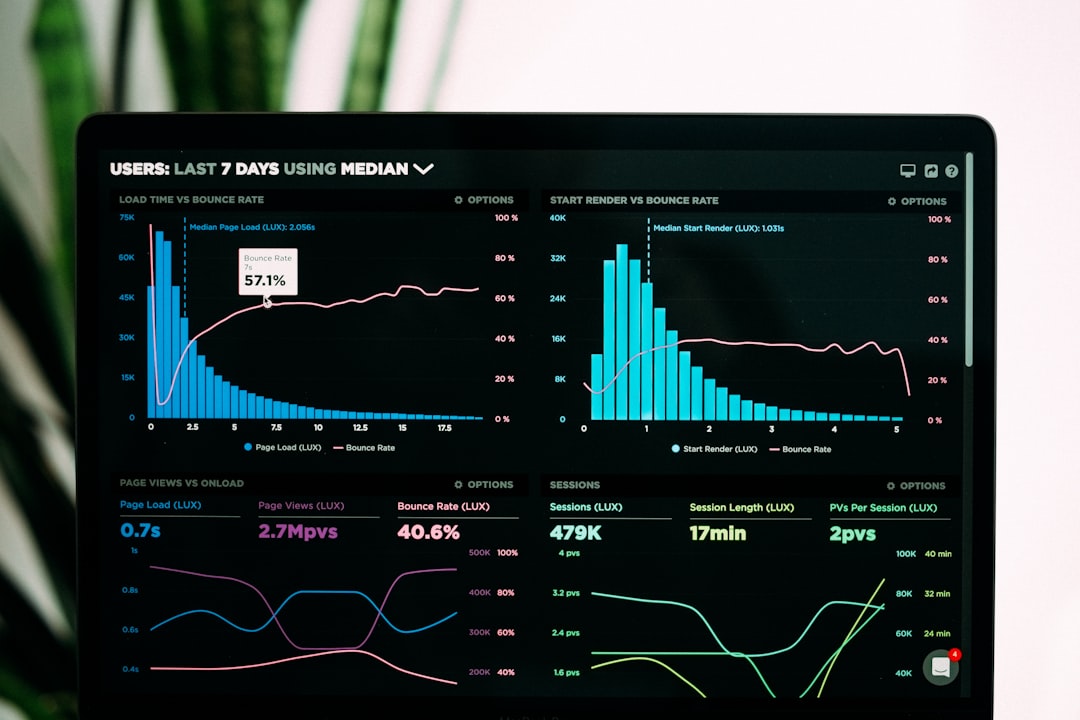
Data visibility is essential for continuous improvement. Leading HR apps provide insights such as:
- Time-to-fill metrics.
- Source-of-hire effectiveness.
- Cost-per-hire analysis.
- Candidate pipeline bottlenecks.
With real-time reporting, organizations can quickly identify inefficiencies and adapt strategies.
How Faster Hiring Impacts Organizational Performance
The benefits of accelerated recruitment extend far beyond saving time. Companies that achieve faster hiring cycles often experience:
- Reduced hiring costs due to decreased administrative workload.
- Improved candidate experience through timely communication.
- Higher offer acceptance rates before competitors engage.
- Stronger employer branding driven by professional processes.
- Lower productivity loss from unfilled positions.
In competitive industries such as technology, healthcare, and finance, these advantages translate directly into revenue growth and operational stability.

Leading HR Management Apps for Streamlined Recruitment
Several platforms consistently rank among the most effective recruitment-focused HR applications. Below is a comparison of widely recognized tools used by organizations of varying sizes.
| Platform | Best For | Key Features | Scalability |
|---|---|---|---|
| Workday | Large enterprises | End-to-end HR suite, advanced analytics, global compliance | High |
| Greenhouse | Mid to large companies | Structured hiring workflows, interview kits, strong ATS | High |
| BambooHR | Small to mid businesses | User-friendly ATS, onboarding tools, reporting dashboards | Moderate |
| Lever | Growth-stage companies | CRM-style recruitment, automation, pipeline visibility | High |
| Zoho Recruit | Small businesses and agencies | Custom workflows, resume parsing, client portal | Moderate |
Each platform offers distinct advantages. Enterprise-level organizations typically require compliance management and international capabilities, while smaller businesses prioritize usability and cost-efficiency.
Key Considerations When Selecting an HR App
Choosing the right tool requires a strategic evaluation process. Decision-makers should assess:
- Integration capabilities with payroll, communication, and ERP systems.
- Customization options for workflow and approval structures.
- Data security and compliance standards.
- User experience for recruiters and hiring managers.
- Scalability to accommodate future growth.
Additionally, training and onboarding support play a critical role in successful implementation. Even the most advanced software will fail to deliver results if internal stakeholders do not adopt it fully.
The Role of AI and Automation in Future Recruitment
HR technology continues to evolve rapidly. Advanced AI systems are now capable of:
- Predicting candidate success based on historical data.
- Reducing unconscious bias in screening.
- Automating candidate engagement through chatbots.
- Conducting initial video interview assessments.
While human oversight remains essential for final decisions, automation significantly reduces the mechanical aspects of recruitment. This allows HR professionals to focus on strategic relationship-building and cultural fit evaluation rather than repetitive administrative work.

Measuring the 72% Acceleration Benchmark
The claim of up to 72% faster hiring typically reflects time reductions across multiple stages:
- Application review time cut by 50–60%.
- Interview scheduling delays reduced by 70–80%.
- Offer approval cycles shortened by 40–50%.
When compounded, these efficiencies dramatically compress overall time-to-hire metrics. For example, a hiring process that once required 45 days can realistically be reduced to approximately 12–15 days with an optimized HR platform.
It is important to note that outcomes vary by organization. Companies that redesign workflows alongside software implementation achieve the greatest acceleration.
Common Implementation Challenges
Despite clear advantages, transitioning to a new HR system can present challenges:
- Data migration complexity from legacy systems.
- Resistance to change among staff.
- Initial setup and configuration time.
- Ensuring data compliance during transition.
These obstacles can be mitigated through phased implementation, leadership support, and comprehensive staff training. Organizations that treat implementation as a transformation initiative—not merely a software installation—report the most sustainable results.
Conclusion
HR management apps have fundamentally redefined recruitment efficiency. By automating repetitive processes, enhancing collaboration, and leveraging data analytics, these platforms enable organizations to shorten hiring cycles by up to 72%. The result is faster access to top talent, lower operational costs, and stronger competitive positioning.
In a labor market where skilled professionals are in high demand, the ability to move quickly without sacrificing quality is a decisive advantage. Businesses that invest in modern recruitment technology not only streamline hiring—they strengthen their entire organizational infrastructure.
Ultimately, faster hiring is not merely about speed—it is about strategic agility, precision, and long-term workforce excellence.
