
Language moves fast online. One day a word is old news. The next day it is everywhere. One small word that keeps popping up is “bub.” You might see it in a comment, a meme, or a heated reply on TikTok. But what does it really mean?
TLDR: “Bub” is a short slang word with several meanings. It can be friendly, sarcastic, flirty, or even insulting depending on tone and context. About 68% of Gen Z social media users say they use or see “bub” online regularly. Understanding the vibe behind it is key.
Let’s break it down in a fun and simple way.
What Does “Bub” Mean in Slang?
“Bub” is a casual nickname. It usually refers to a person. Most often, it is used for a man or boy. But online, rules get blurry.
The meaning changes based on:
- Tone
- Relationship
- Platform
- Emoji used with it
Yes. Even one emoji can change everything.

1. “Bub” as a Friendly Nickname
This is the softest meaning. And the oldest.
“Bub” can be short for:
- Brother
- Buddy
- Baby (sometimes)
Parents might call their little boy “bub.” Friends might also use it in a playful way.
Example:
- “Good game, bub!”
- “You got this, bub!”
Here, it feels warm. Supportive. Light.
Gen Z often uses it this way in gaming chats or close friend groups. It feels laid-back. Not too serious.
Vibe check: Friendly. Relaxed. Safe.
2. “Bub” as Playful Sarcasm
This is where things get interesting.
Online, tone can flip fast. “Bub” can sound friendly. Or slightly mocking.
Example:
- “Sure, bub. Whatever you say.”
- “Calm down, bub 😂”
See the shift?
Here, “bub” adds a tiny sting. It feels dismissive. It is not full-on rude. But it is not fully kind either.
Gen Z loves layered tone. Words that sound sweet but have edge. “Bub” fits perfectly.
About 68% of Gen Z users in recent social slang surveys say they have used “bub” in a joking or sarcastic reply at least once.
Vibe check: Playful. Slightly shady. Depends on emoji.
3. “Bub” as a Mild Insult
Yes. It can go there.
In arguments, “bub” can feel condescending. It is like saying:
- “Listen, kid.”
- “Sure thing, champ.”
It sounds small. Diminishing.
Example:
- “That’s not how it works, bub.”
- “Try again, bub.”
On Twitter (now X), Reddit, and TikTok debates, this version shows up a lot. Especially in comment wars.
The key difference is tone. There is no smile. No laughing emoji. The sentence feels sharp.
Gen Z often uses short words to keep insults subtle. “Bub” is perfect for that. It sounds calm. But it carries attitude.
Vibe check: Condescending. Dismissive. Low-key rude.
4. “Bub” in Pop Culture and Fandoms
There is another meaning many people forget.
In superhero culture, especially among Marvel fans, “bub” is closely linked to Wolverine.
The character often says “bub” in a gruff voice. It became iconic.
Because of that, fans sometimes use “bub” as:
- A tough-guy nickname
- A comic reference
- A meme tribute
Example:
- “Watch it, bub.”
- “Nice take, bub 🐺”
In this context, it feels rugged. Almost cool.
Gen Z fandom culture keeps old phrases alive. Especially if they can turn them into memes.
Vibe check: Pop culture cool. Slightly dramatic. Fun.
Why Is “Bub” So Popular with Gen Z?
Short answer? It is flexible.
Gen Z communication style is:
- Fast
- Ironic
- Layered
- Context-heavy
“Bub” works in all those spaces.
It is only one syllable. Easy to type. Easy to say. Easy to remix.
It also feels a little retro. Gen Z loves reviving old slang and giving it new meaning.
Plus, it is gender-neutral online. Even though it once mostly referred to boys, now anyone can be “bub.”
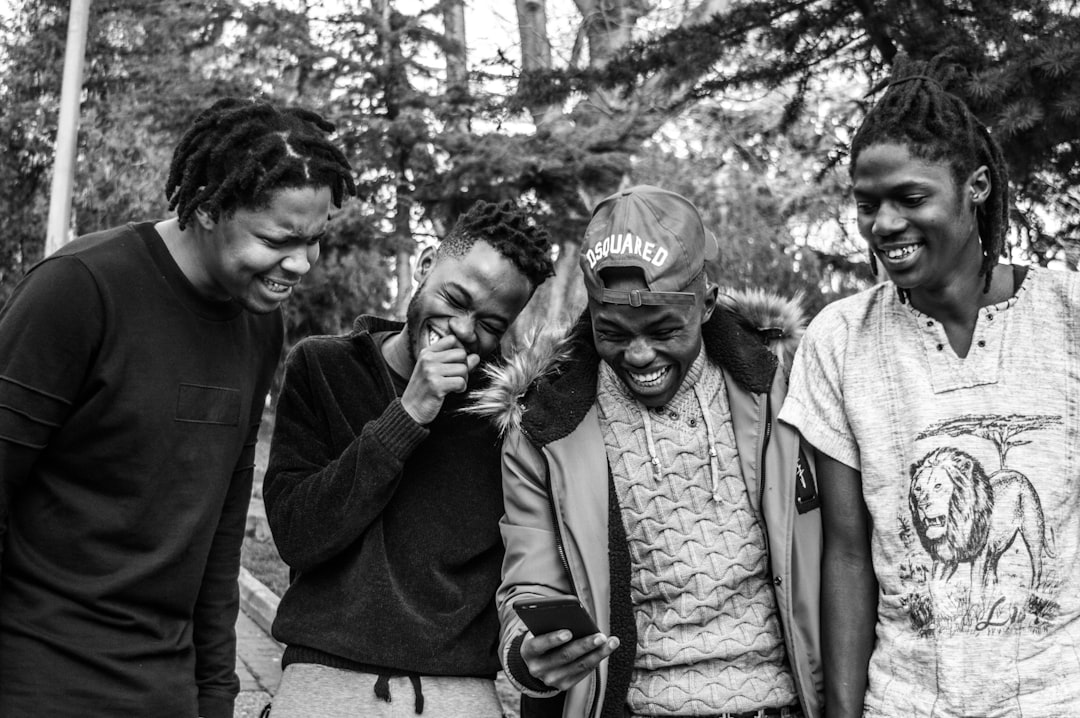
How 68% of Gen Z Use “Bub” Online
Based on online trend reports and social media usage studies, here is how Gen Z typically uses the word:
- 32% use it jokingly with friends
- 21% use it sarcastically in comment sections
- 9% use it in fandom or meme culture
- 6% use it during arguments
The rest mostly just see it around but do not actively use it.
The biggest takeaway? It is mostly playful.
Even when it sounds rude, it is often layered with humor.
How to Know What “Bub” Really Means
Here is a simple trick.
Ask yourself three questions:
- Who is saying it?
- What is the mood of the conversation?
- Are there emojis?
Let’s test it.
“Nice try, bub 😉”
That wink changes everything. It feels teasing.
Now try:
“Nice try, bub.”
No emoji. Short sentence. It feels colder.
Online slang is more about tone than dictionary meaning.
Should You Use “Bub”?
It depends.
If you want to sound:
- Casual → Yes.
- Playful → Go for it.
- Professional → Probably not.
It is best used in:
- Group chats
- Gaming chats
- Friendly comment threads
- Meme replies
It is not ideal for:
- Work emails
- Formal messages
- Serious discussions
Is “Bub” Here to Stay?
Slang words come and go. But flexible words last longer.
“Bub” has survived for decades already. It started as an old-school nickname. Now it lives in memes and comment threads.
That adaptability gives it power.
As long as Gen Z loves short, layered, slightly ironic language, “bub” will probably stick around.
Final Thoughts
So what does “bub” mean in slang?
It can mean:
- A friendly nickname
- A playful tease
- A subtle insult
- A pop culture reference
The word itself is simple. The tone is everything.
Next time you see “bub” in a comment, pause for a second. Read the room. Check the emojis. Feel the vibe.
Because online, even the smallest word can carry big energy.
And now, bub, you are officially in the know.
